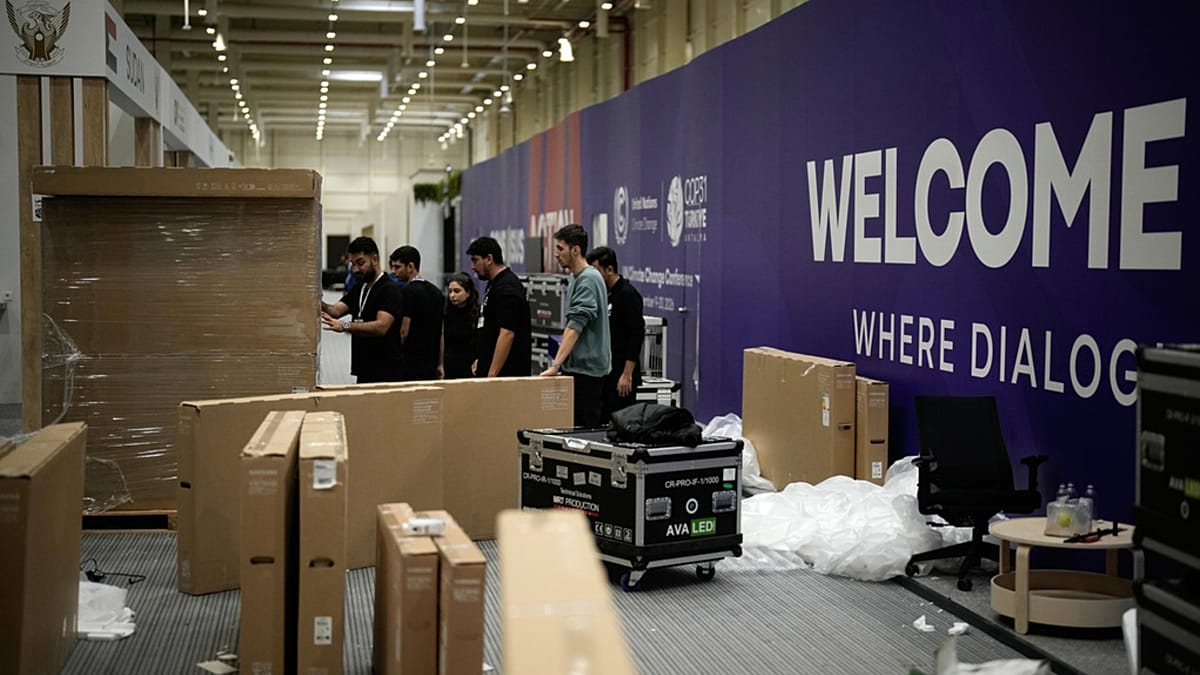
The latest round of UN climate negotiations, COP31, concluded in Antalya without a final agreement. European Union delegates and several other nations refused to accept a cover decision that omitted concrete measures to phase out fossil fuels and failed to secure adequate funding for climate action in developing countries.
With nearly 200 countries required to reach consensus, the COP process has always been a delicate balancing act. Geopolitical tensions, economic rivalries, and divergent national interests have repeatedly turned these summits into marathon sessions of brinkmanship and last-minute compromise.
Since the first Conference of the Parties in 1995, deadlock has been a recurring theme. Here is a look back at some of the most contentious moments in the history of UN climate diplomacy.
2000: COP6 in The Hague
The sixth COP, held in The Hague, collapsed when negotiations were suspended, only to resume months later in Bonn, where the UN climate secretariat is based. The talks took place against the backdrop of the razor-thin US presidential election, leaving negotiators unsure whether the next American leader would be George W. Bush, a climate sceptic, or Al Gore, who would later win the Nobel Peace Prize for his environmental advocacy.
Ironically, Bush's victory and his subsequent rejection of the Kyoto Protocol galvanised other countries to press ahead with implementing the treaty. Yet the summit left a bitter taste. Paul Watkinson, France's former chief negotiator, described the outcome as “chaos”.
2009: COP15 in Copenhagen
Expectations were sky-high after Barack Obama entered the White House, but COP15 failed to deliver the binding global climate agreement that many had hoped for. Deep divisions between developed and developing nations, particularly between Washington and Beijing, blocked any deal on mandatory emissions cuts.
The conference could only “take note” of the non-binding Copenhagen Accord, which set a goal of limiting global warming to below 2°C and included a pledge by wealthy countries to mobilise $100 billion a year in climate finance by 2020. It was a far cry from the legally binding treaty that had been envisioned.
2012: COP18 in Doha
In Doha, countries agreed to a second commitment period under the Kyoto Protocol, but major emitters such as the United States, Russia, and Canada stayed out. Critics argued that the targets were too weak and that the agreement covered an ever-shrinking share of global emissions, undermining its credibility.
2019: COP25 in Madrid
Madrid's talks ran more than 40 hours past their scheduled close, much like this year's session in Antalya. Negotiators failed to agree on rules for international carbon markets under Article 6 of the Paris Agreement. The final text disappointed vulnerable nations and environmental groups, as it did not include a significant increase in emissions reduction pledges.
2022: COP27 in Sharm el-Sheikh
COP27 in Egypt did achieve a historic breakthrough with the creation of a “loss and damage” fund to support countries most affected by climate change. However, negotiators could not strengthen commitments to phase down fossil fuels. Many governments and activists criticised the outcome, arguing that progress on cutting emissions remained insufficient.
2024: COP29 in Baku
At COP29 in Azerbaijan, disputes over climate finance for developing countries pushed the talks beyond their deadline. Negotiators struggled to bridge the gap between rich and poor nations on the scale of financial commitments. The summit eventually produced an agreement, avoiding a complete breakdown, but many developing countries deemed the outcome inadequate.
The pattern is clear: while the COP process has delivered some landmark accords, it has also repeatedly stumbled over the same fault lines. As the world faces escalating climate impacts, the question remains whether the consensus-based system can evolve to meet the urgency of the moment. For now, the failure in Antalya serves as a stark reminder of the challenges ahead.