Copenhagen has long been a city that rewards slow exploration. Its pastel townhouses, ambitious contemporary architecture and waterfront districts invite visitors to linger, and few cities in Europe are better equipped for getting around on two wheels. In the latest episode of Grand Voyager, presenter Lilly teams up with Therese from the guiding service Copenhagen by Mie to uncover the Danish capital's layered identity.
The tour begins with the city's artistic foundations. At the National Gallery of Denmark, known locally as SMK, Lilly moves from the golden age of Danish painting to modern and contemporary works. The museum's collection offers a useful primer on how a small Nordic nation has consistently punched above its weight in the visual arts, from Vilhelm Hammershøi's muted interiors to the bold experiments of the 20th century.
Cycling as a way of life
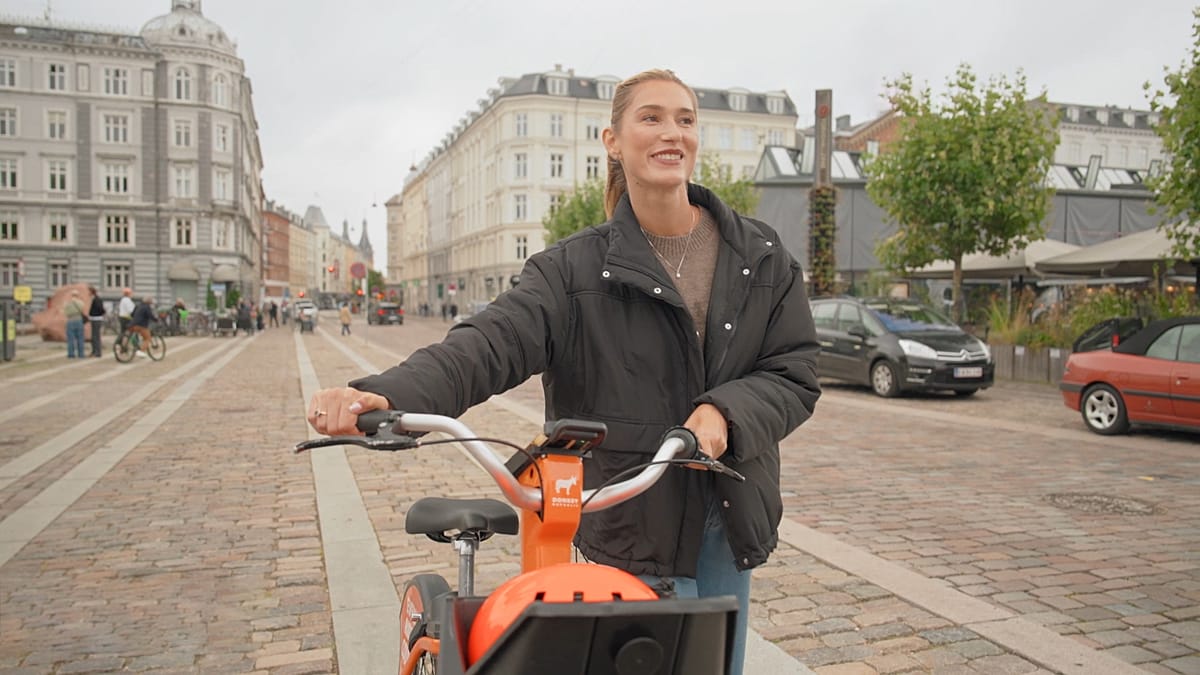
No visit to Copenhagen feels complete without joining the thousands of commuters who pedal across the city every day. Dedicated cycle tracks, traffic lights timed for bikes and a flat terrain make it one of the most bicycle-friendly capitals in the world. Lilly takes part in a guided cycling tour, weaving through neighbourhoods that reveal both the medieval core and the sleek developments of the 21st century.
The city's reputation for well-being is also part of the itinerary. At the Happiness Museum, Lilly meets the team behind the exhibitions to discuss why Denmark consistently ranks high in global happiness surveys. The conversation inevitably turns to hygge – the elusive concept of cosiness and togetherness that shapes Danish social life. It is a useful reminder that happiness here is less about individual achievement and more about shared rituals, trust and a strong welfare state.
From the historic centre, the episode moves to Nordhavn, a former industrial port that has been transformed into a model of sustainable urban living. Here, Lilly checks into Hotel Frihavnen, a boutique property surrounded by modern apartment blocks, independent cafés and working harbour views. The district is a prime example of how Copenhagen is expanding beyond its old boundaries while keeping design quality at the forefront.
Food, as in much of Scandinavia, is treated with seriousness. At the restaurant Epicurus, chef and staff present a creative take on Nordic cuisine, pairing seasonal local produce with French techniques. The result is a menu that feels both rooted in tradition and open to outside influence. A live jazz soundtrack adds to the intimate atmosphere, making the meal as much about ambience as about taste.
The journey concludes at Tivoli Gardens, the amusement park that opened in 1843 and has charmed generations of visitors. With its manicured lawns, vintage rides and evening lights, Tivoli remains a beloved fixture of Copenhagen life – a place where the city's playful side comes to the fore. For those planning their own trip, the park is a fitting end to a tour that balances culture, cuisine and everyday Danish pleasures.
Copenhagen's appeal lies in its ability to combine the old and the new without losing its human scale. Whether you come for the art, the food or simply to join the cyclists on their morning commute, the city offers a template for how European capitals can remain liveable while embracing change. For more on the region's cultural offerings, see our coverage of Nordic women's esoteric art in Helsinki, or the recent opening of Copenhagen's KAI water house with its pools and saunas.