Carlo Buontempo, director of the Copernicus Climate Change Service, has described the current heatwave gripping Europe as extremely unusual, with no foreseeable respite. Speaking to reporters, Buontempo emphasized that heatwaves across the continent have become more intense, lasting longer, and starting earlier in the season, a pattern that aligns with Europe warming faster than the global average.
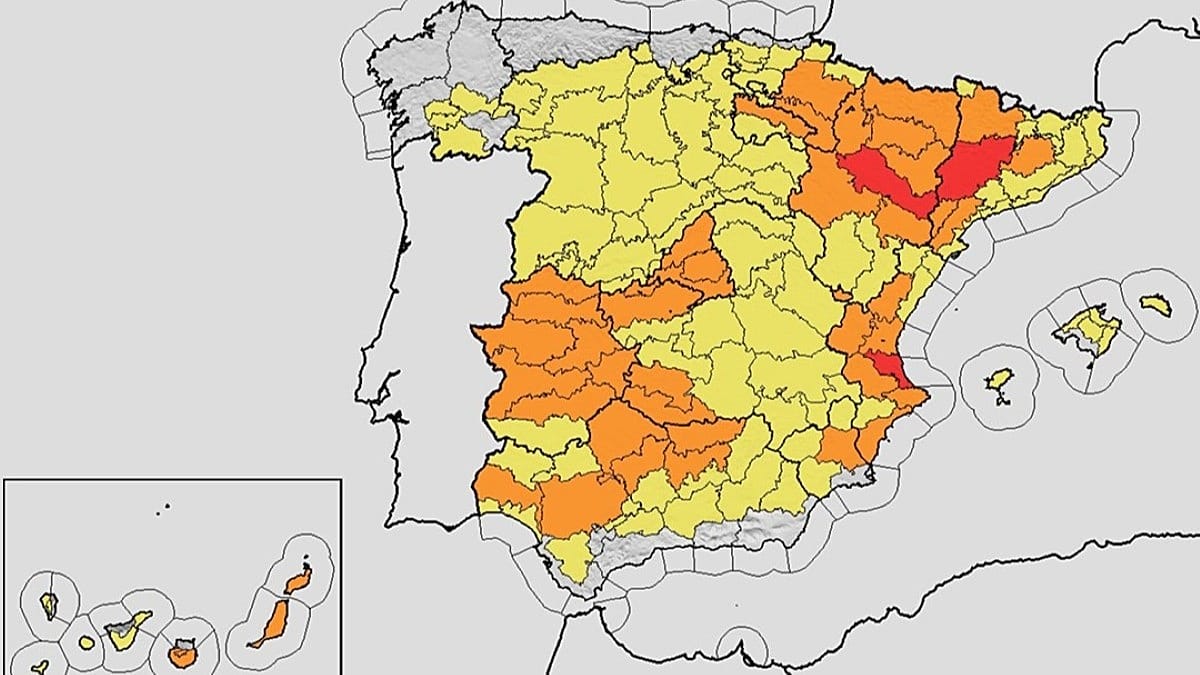
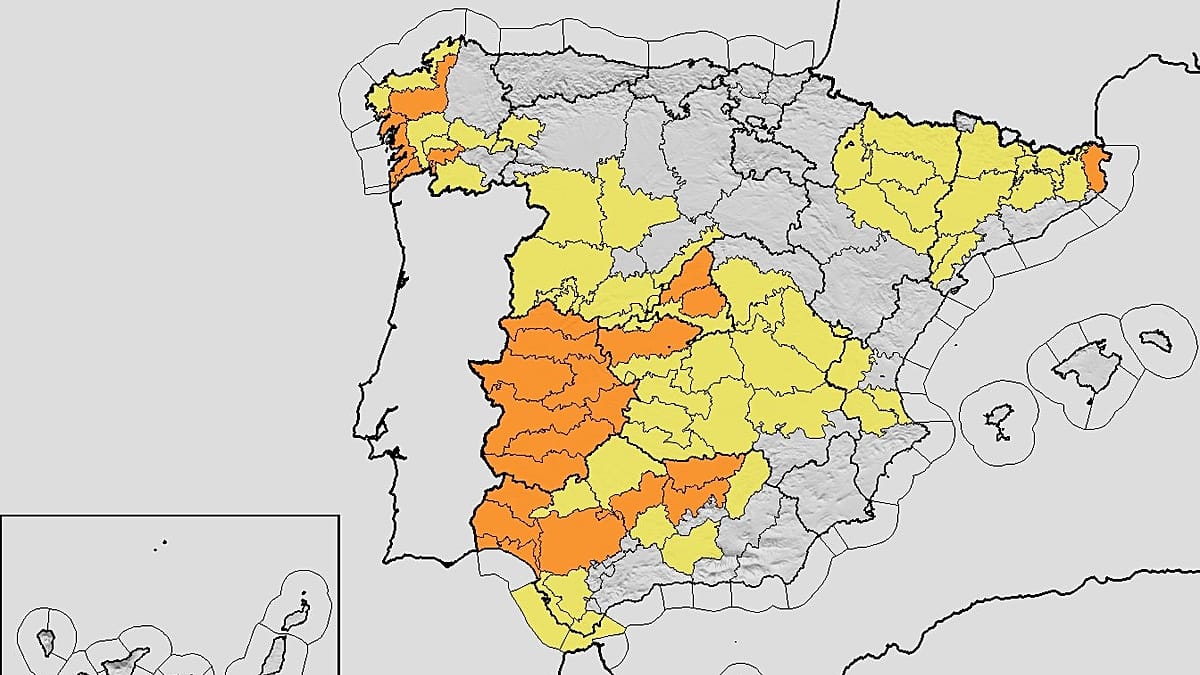
This warning comes as several European nations, including France, Spain, and Italy, experience record-breaking temperatures. In Paris, thermometers hit 42°C in July, while Berlin and Warsaw saw prolonged periods above 35°C. The Copernicus data, derived from satellite observations and ground stations, indicates that such extremes are no longer anomalies but part of a persistent climatic shift.
Europe's Accelerated Warming
Buontempo noted that Europe's land area is warming at roughly twice the global rate, a phenomenon driven by a combination of factors including changes in atmospheric circulation, reduced snow cover, and feedback loops from the Arctic. This acceleration means that even if global emissions were curbed immediately, Europe would still face decades of intensified heat events.
The Copernicus director pointed to recent studies showing that the frequency of heatwaves in Europe has tripled since the 1950s. In countries like Greece and Portugal, wildfires have become more common, while in the UK, the Met Office recorded its hottest June since 1884, as detailed in our earlier report. Buontempo stressed that adaptation measures, such as improved urban planning and early warning systems, are critical to mitigate the human and economic toll.
Brussels has begun shifting its focus to climate adaptation, as previously covered, but Buontempo argued that current efforts are insufficient. We are seeing impacts on agriculture, energy grids, and public health,
he said. The heat is not just uncomfortable; it is deadly.
No End in Sight
Buontempo's assessment that there is no end in sight reflects the underlying inertia in the climate system. Even with aggressive emissions reductions, the heat already trapped in the atmosphere will continue to drive extreme events for decades. He called for a dual approach: rapid decarbonization alongside robust adaptation strategies.
In southern Europe, sectors like construction and agriculture are particularly vulnerable, as highlighted in our analysis. Workers in these fields face increased health risks, while crop yields in Italy and Spain have dropped significantly. Buontempo urged governments to implement heat-health action plans and invest in cooling infrastructure.
The Copernicus director also warned that the current heatwave could exacerbate energy shortages, as demand for air conditioning spikes while hydroelectric and nuclear plants struggle with reduced water availability. This has already led to tensions in France, where Électricité de France had to reduce output from several reactors along the Rhône and Garonne rivers.
As Europe grapples with these challenges, Buontempo's message is clear: We must adapt now, or face consequences that will only grow more severe.
The full interview and data are available through the Copernicus Climate Change Service, which continues to monitor the continent's changing climate.