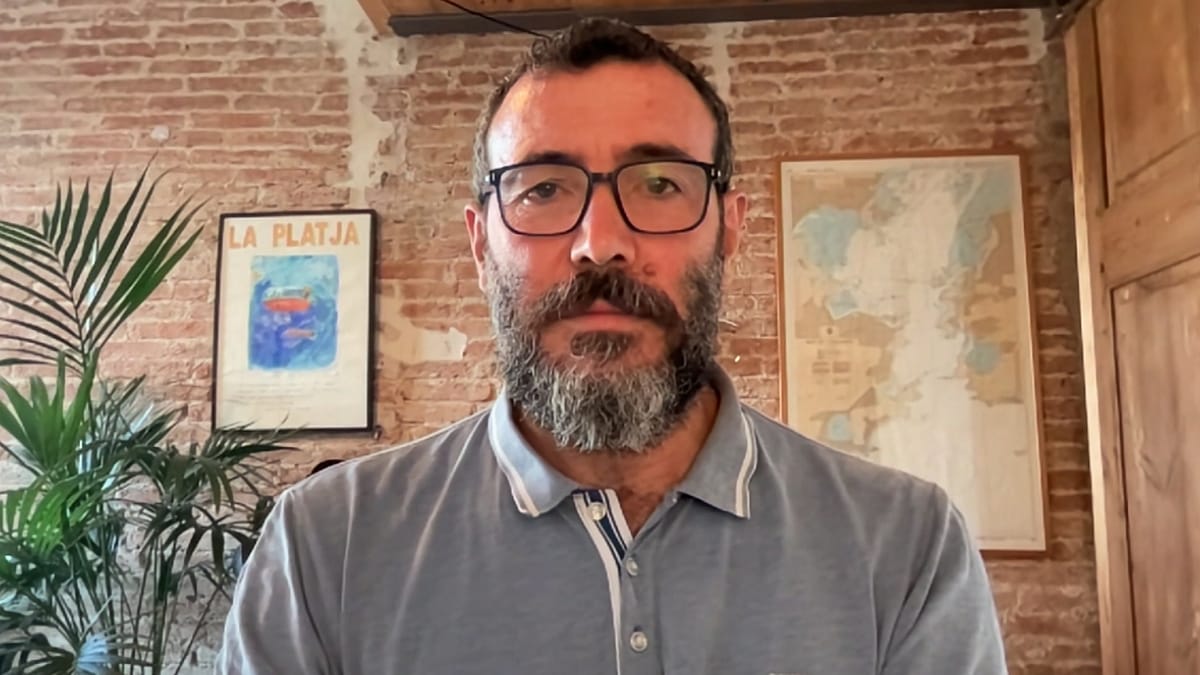
Carlo Buontempo, director of the Copernicus Climate Change Service, has issued a stark warning about the trajectory of extreme heat across the continent. In a recent statement, Buontempo described the current heatwave patterns as “extremely unusual,” noting that they have become “more intense, lasting longer and starting earlier in the season.” He emphasized that Europe “is warming faster than the global average,” a trend that shows no signs of reversing.
The warning comes as multiple European countries, from Spain to Poland, grapple with record-breaking temperatures that have strained power grids, disrupted transport, and led to dozens of heat-related deaths. In cities like Paris, Berlin, and Rome, authorities have activated emergency heat plans, opening cooling centers and issuing public health alerts.
A Continent Under Pressure
Buontempo’s remarks underscore a broader reality: Europe’s climate is shifting at an alarming pace. According to Copernicus data, the summer of 2024 was the hottest on record for the continent, with temperatures exceeding historical averages by more than 2°C in several regions. The director pointed out that such extremes are no longer anomalies but part of a persistent pattern driven by global greenhouse gas emissions.
“What we are seeing is not a temporary spike,” Buontempo said. “It is a structural change in our climate system. The heatwaves we are experiencing today are fundamentally different from those of a few decades ago.” He added that the lack of a foreseeable end to this trend demands urgent adaptation measures across all sectors.
The implications are far-reaching. Agriculture in southern Europe, particularly in Italy and Greece, has suffered from prolonged drought and heat stress, reducing olive oil and wheat yields. In northern countries like Sweden and Finland, where heatwaves were once rare, infrastructure designed for cooler climates is now under threat. Rail networks in the UK and Germany have faced speed restrictions due to track buckling, while energy demand for cooling has surged, putting pressure on grids already strained by the transition to renewables.
Buontempo’s warning aligns with findings from the European Environment Agency, which projects that heat-related mortality could triple by 2100 if emissions continue unabated. The Copernicus director stressed that adaptation is not optional: “We must redesign our cities, our agriculture, and our health systems to cope with this new reality. The cost of inaction will be measured in lives and economic losses.”
Several European governments have begun to respond. France has mandated that all new public buildings include green roofs or solar panels to mitigate urban heat islands. The Netherlands is investing in water storage and green infrastructure to manage both heat and flooding. However, Buontempo noted that these efforts remain fragmented and insufficient. “We need a coordinated European approach,” he said. “No single country can tackle this alone.”
The Copernicus director’s comments also come amid a broader debate about climate accountability. In a related development, a Paris court recently ordered TotalEnergies to disclose its indirect emissions and strengthen its climate strategy, a ruling that could set a precedent for other European energy firms. Meanwhile, the EU’s pay transparency directive has highlighted persistent gender gaps, but climate policy remains the bloc’s most pressing challenge.
Buontempo concluded with a call for urgency: “The heatwaves we are seeing are a clear signal. We have the tools to adapt, but we must act now. Every year of delay makes the problem harder and more expensive to solve.”