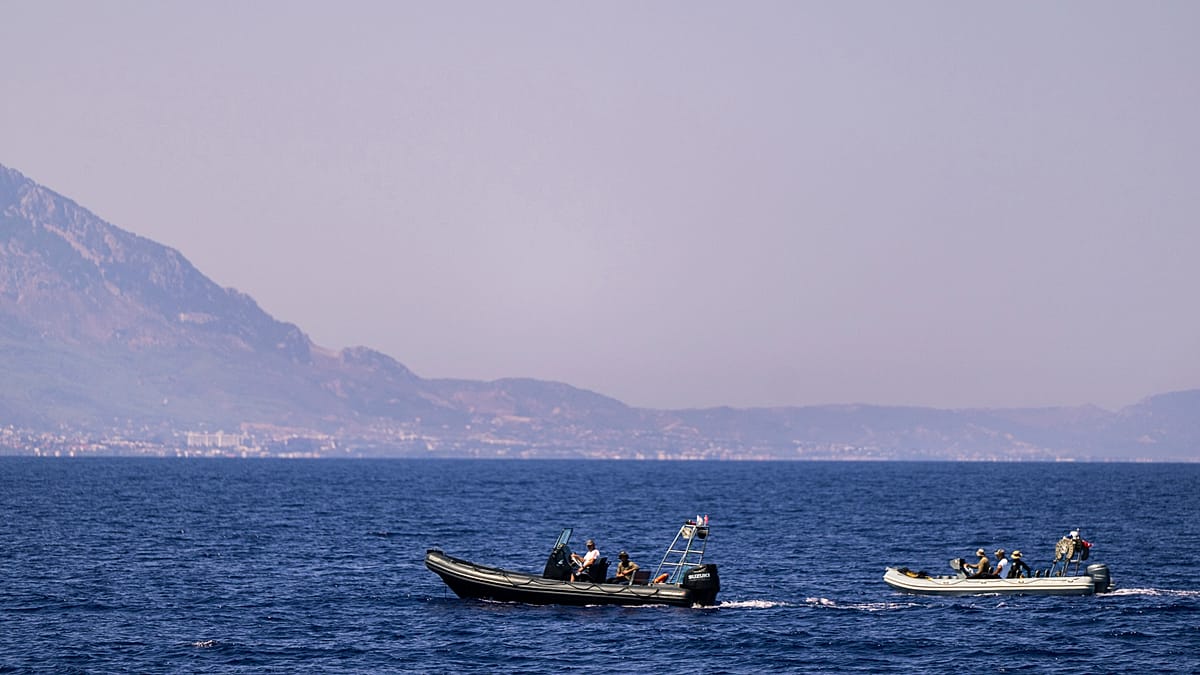
Rescue teams have recovered the bodies of two women off the coast of northern Cyprus, bringing the death toll from last week's ferry sinking to 12, according to officials. The search continues for the 16 passengers still unaccounted for.
The FiloJet ferry was en route from Kyrenia in northern Cyprus to Taşucu in southern Turkey on 30 August when it began taking on water roughly six kilometres from the Cypriot coast and capsized. The vessel carried 259 passengers and eight crew members, triggering a large-scale rescue operation involving Turkish and Cypriot naval and air assets.
Recovery operations intensify
In a statement posted on X on Friday, Ünal Üstel, the prime minister of the self-declared Turkish Republic of Northern Cyprus, said the Turkish naval ships TCG Işın and TCG Alemdar had located and recovered the two women during deep-water searches. He added that 16 people remain missing.
“In order to locate the 16 people still missing, our search operations are continuing nonstop, 24 hours a day, 7 days a week, with the strong support of the Republic of Turkey and the participation of all relevant units,” Üstel wrote.
Emergency crews managed to rescue 239 of those aboard as the ship went down. The captain and several other individuals have reportedly been arrested on suspicion of negligent homicide, according to local media.
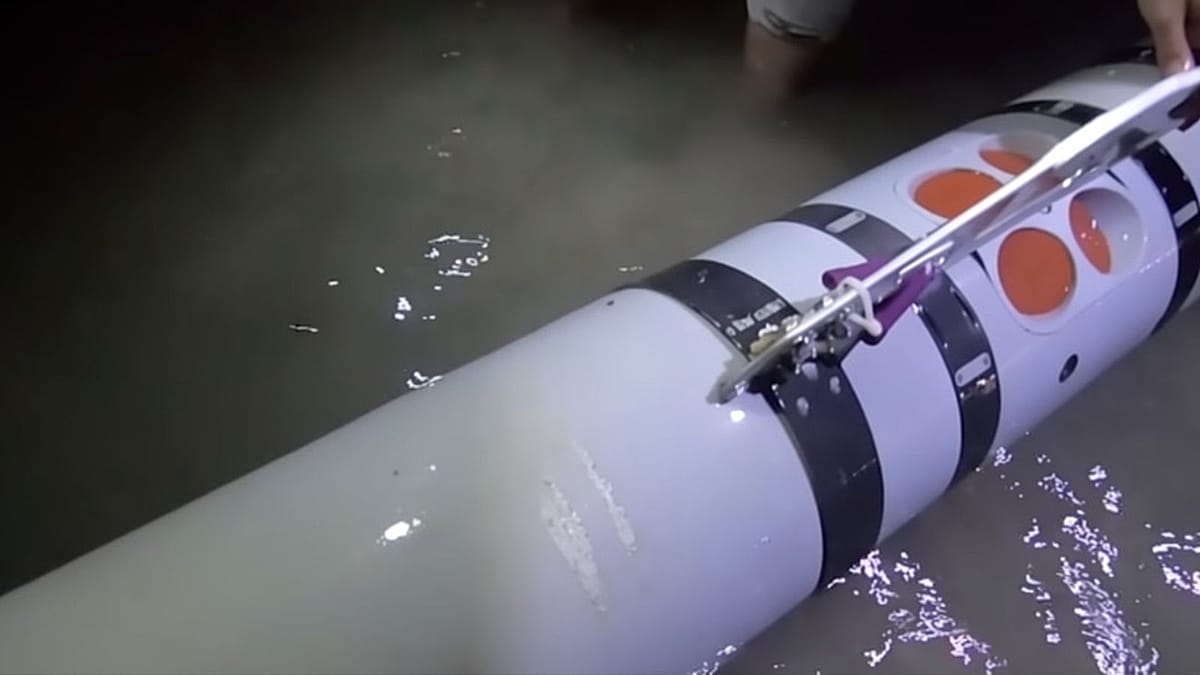
The Turkish Ministry of Defence said seven ships and six aircraft are supporting the search, “scanning the coastline, the seabed, and the area around the sunken vessel.” The ministry also noted that the TCG Işın located the wreck at a depth of 550 metres, and a remotely operated vehicle (ROV) from the TCG Alemdar—capable of operating at depths up to 3,000 metres—conducted a dive to the wreck.
The disaster has cast a shadow over the busy summer ferry route between northern Cyprus and Turkey, a lifeline for many Turkish Cypriots and visitors. The cause of the sinking remains under investigation, with authorities focusing on possible negligence and safety lapses.
As the search enters its second week, families of the missing await news, while the broader Mediterranean region reflects on the risks of maritime travel. The incident echoes other recent tragedies in European waters, underscoring the need for stringent safety standards. Meanwhile, health officials in nearby Greece are battling a severe West Nile outbreak, and Cyprus has urged vigilance—a reminder of the multiple challenges facing the region this season.
The Turkish and northern Cypriot authorities have pledged to continue the operation until every missing person is accounted for. The recovery of the two women brings a measure of closure to their families, but for the 16 still missing, the wait goes on.