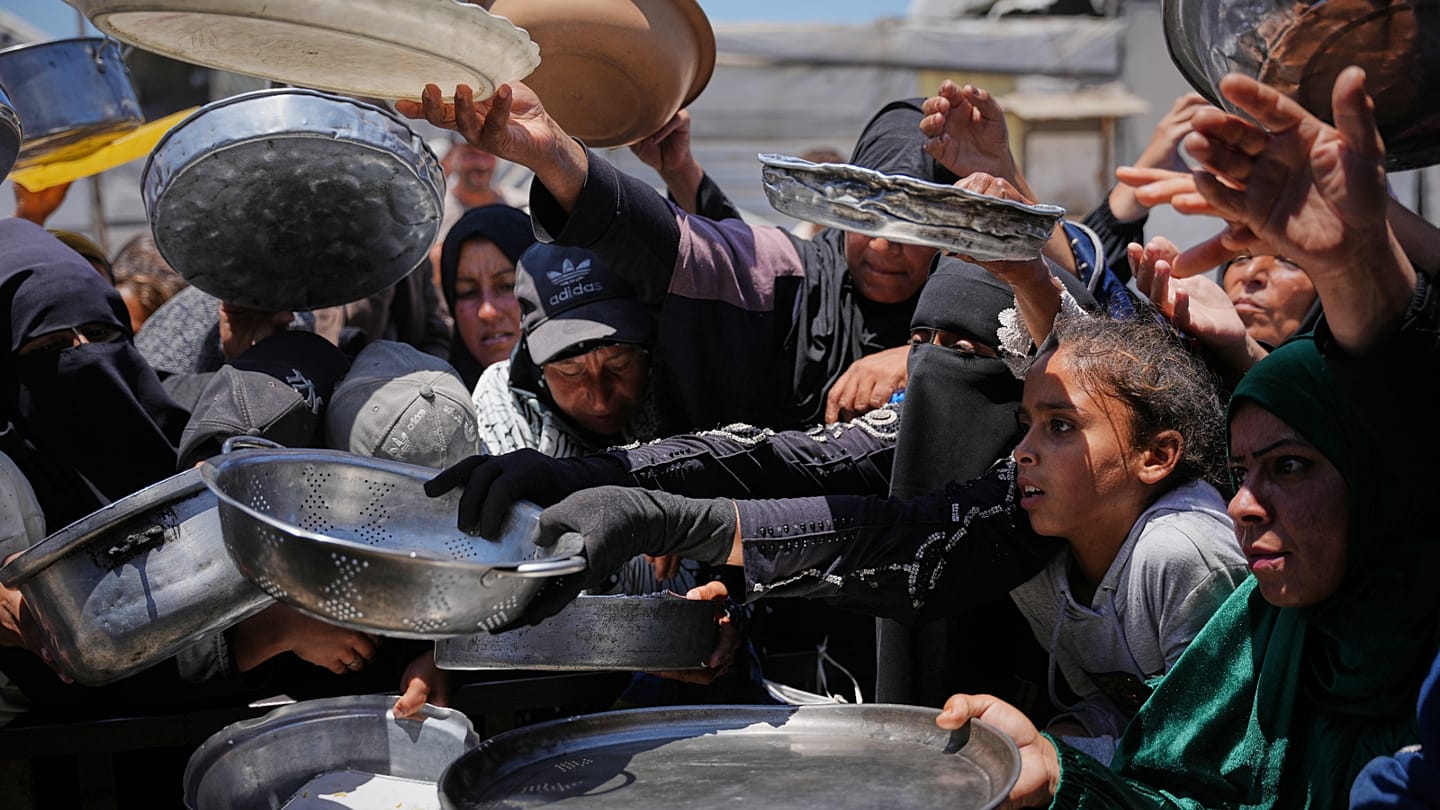
The United Nations food agency announced it will halt assistance to half a million people in Gaza, a stark consequence of dwindling international funding. The decision, confirmed by officials in Brussels and Geneva, underscores the deepening humanitarian crisis in the enclave, where two-thirds of the population remains dependent on external aid for survival.
According to the World Food Programme (WFP), the funding shortfall has forced it to prioritize the most vulnerable, but even those who continue to receive support will see their rations reduced and cash transfers lowered. The agency warned that without new pledges, further cuts are inevitable, potentially pushing the entire territory into a catastrophic food insecurity situation.
Funding gap and its European dimension
The cuts come as European Union member states grapple with their own budgetary pressures, including internal disputes over the bloc's long-term budget. While the EU remains one of the largest donors to Gaza, the recent decision by several member states to scale back development aid has compounded the shortfall. A senior EU official, speaking on condition of anonymity, said that "the gap between humanitarian needs and available resources has never been wider."
The situation in Gaza is further exacerbated by the approaching winter, with families facing a fourth winter without safe shelter and soaring prices for basic goods. The WFP's decision will likely force many families to choose between buying food and paying for other essentials, a choice that humanitarian workers describe as "untenable."
European capitals are now under pressure to respond. The European Commission has called on member states to honor their pledges, but with the bloc's own budget deadlock and energy crisis, the prospects for immediate additional funding appear slim. Meanwhile, humanitarian organizations are urging the EU to use its diplomatic weight to push for a ceasefire and unimpeded access for aid deliveries.
The WFP's move is not isolated. Other UN agencies operating in Gaza have also announced cutbacks, reflecting a broader trend of shrinking humanitarian budgets globally. The UN's Office for the Coordination of Humanitarian Affairs (OCHA) reported that its 2023 appeal for Gaza was only 37% funded, a figure that has not improved significantly since.
For the people of Gaza, the consequences are immediate. "We are already seeing families skipping meals," said a WFP spokesperson in Jerusalem. "With these cuts, we fear that malnutrition rates, especially among children, will rise sharply." The agency has warned that if funding does not materialize soon, it will be forced to suspend all operations in the territory, which would be a humanitarian catastrophe.
The European Union, which has historically been a leading donor to the Palestinian territories, faces a delicate balancing act. While it seeks to maintain its influence in the region, it must also respond to domestic pressures over migration and security. The recent shift in US support for Ukraine has also diverted attention and resources away from the Middle East, leaving European nations to fill the void.
As the funding crisis deepens, the EU is exploring innovative solutions, including the use of frozen assets and new financial instruments. However, these measures are unlikely to provide immediate relief. In the meantime, the WFP's decision stands as a grim reminder of the cost of inaction.
The international community, particularly European nations, must decide whether to step up or watch a generation of Gazans face the prospect of starvation. The clock is ticking, and the next few weeks will be critical in determining the fate of hundreds of thousands of people.