The Czech government has approved a fresh round of fuel-market intervention, reviving retail price regulation from 1 October, cutting excise duty on diesel to the lowest level permitted under EU rules and imposing a temporary levy on refiners whose margins have widened sharply. It is the second such package this year from the cabinet of Prime Minister Andrej Babiš, after earlier controls lapsed on 19 July.
Finance Minister Alena Schillerová confirmed the decision, saying the state would publish maximum petrol and diesel prices for the following day on each working day. Retailers' margins will be capped at 2.5 koruna (about €0.10) per litre, while diesel duty falls from 9.95 koruna (€0.41) to roughly 8 koruna (€0.33) per litre for October. Once the associated VAT reduction is counted, the ministry expects the measures to shave about 2.35 koruna (€0.10) off the price at the pump.
A levy aimed at refining margins
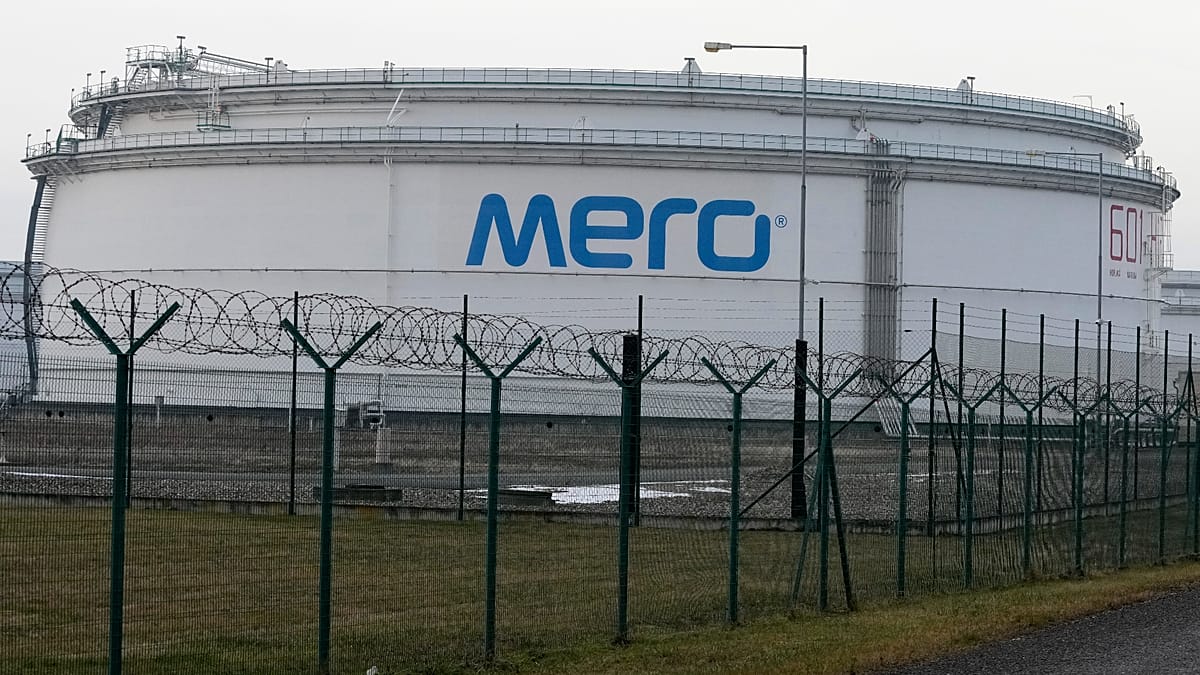
Alongside the price cap, Prague has signed off on a temporary tax on refiners. The levy would apply in 2026 and 2027 and take 50% of the increase in refiners' gross margins relative to 2025. Gross refining margins broadly capture the gap between what a barrel of crude costs and what the fuels derived from it are worth — a spread that has widened markedly as crude and product markets have tightened.
The trigger is a sustained surge in energy costs linked to the conflict in the Middle East. Since the United States and Israel went to war with Iran nearly seven months ago, Tehran has restricted traffic through the Strait of Hormuz, disrupting crude exports from the Gulf and pushing up prices across the continent. Czech motorists using CCS fuel cards paid an average of 44.21 koruna (€1.81) per litre for petrol and diesel in August, up from 34.49 koruna (€1.41) a year earlier. That remains below the EU-wide record of €2.06 per litre for petrol and €2.16 for diesel set last week, but the trajectory has alarmed governments from Lisbon to Helsinki.
Czechia is not acting alone. Germany, Croatia, Romania and Italy have recently announced or extended fuel-price controls and tax cuts, while Spain, Ireland, Cyprus and Portugal have kept excise reductions in place for longer. Malta subsidises fuel directly to hold pump prices steady, and Hungary is paying eligible diesel-car owners 5,000 forints a month until December. The wave of intervention reflects both inflationary pressure and political anxiety: high prices have already triggered protests in several member states.
The European Central Bank, which raised its benchmark rate to 2.5% in September, has flagged energy as a persistent risk. Its monetary policy statement of 10 September warned that "renewed disruption of energy supplies could cause energy prices to rise further and for longer than currently expected." ECB experts have told Euronews Business that an end to the Middle East conflict and a restoration of energy and refining flows would be central to any durable decline in prices — and that such normalisation could quickly pull crude, and therefore retail fuel, lower.
Even so, the bank's analysts caution that damage to Russian refining capacity could keep product margins elevated regardless of how the Middle East crisis resolves. That caveat matters for a Czech package that leans heavily on taxing refiners' margins: if global spreads stay wide, the levy raises revenue but does little to change the underlying economics of supply.
For now, Prague is betting that a visible cap, a lower diesel duty and a windfall charge will buy households and hauliers relief into the winter. Whether the combination tames prices or simply shifts costs along the supply chain will depend on how refiners, importers and retailers respond — and on whether the wider European patchwork of caps, subsidies and tax cuts holds together. The record highs seen across the bloc this autumn, and the refining-cost pressures expected to peak in October, suggest the pressure is far from over.