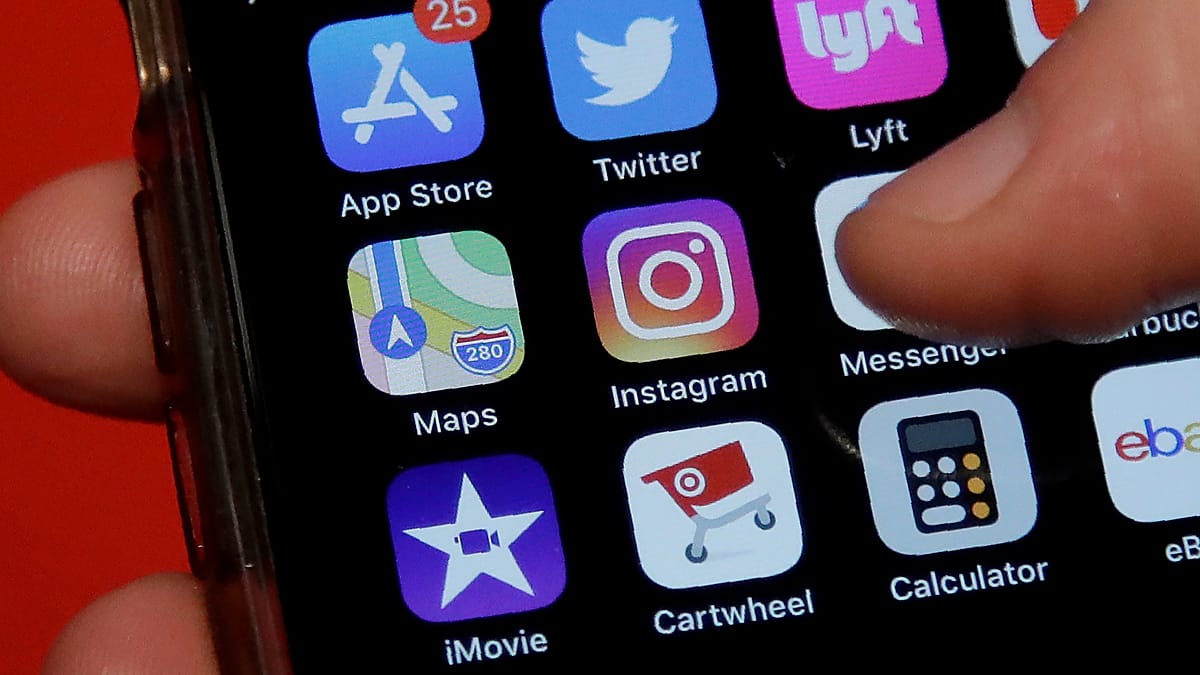
The digital world is here to stay, and with it come new patterns of behavior that researchers are only beginning to understand. From the compulsive consumption of bad news to the anxiety of being without a phone, these phenomena are reshaping how we interact with technology—and with each other.
When does use become a problem?
Experts are careful not to demonize smartphones, social networks, or video games. The digital realm offers immense benefits, from staying connected with loved ones to accessing information instantly. The trouble begins when usage spirals out of control, encroaching on sleep, work, studies, relationships, or physical activity. As research advances, we are gaining clearer names for these behaviors.
Gaming disorder: the first official diagnosis
One crucial distinction: not every so-called “smartphone addiction” is a recognized disease. The World Health Organization, however, has included gaming disorder in the International Classification of Diseases (ICD-11). This diagnosis is not about playing frequently; it involves a loss of control over gaming, prioritizing play over other activities, and continuing despite negative consequences. To qualify, the behavior must significantly impair personal, family, social, educational, or occupational functioning for at least 12 months. It affects a minority of players, not the average gamer.
Social media addiction: a blurred picture
Social media addiction—often termed problematic social media use—is not yet an independent ICD-11 diagnosis, but it is extensively studied. Signs include an inability to stop, spending more time online than intended, a strong urge to check platforms, neglecting other activities, irritability when access is denied, and continued use despite problems. The American Psychological Association (APA) urges attention to these behaviors, especially in teenagers.
Data from the WHO's Health Behaviour in School-aged Children (HBSC) survey, covering nearly 280,000 adolescents aged 11, 13, and 15 across 44 countries, reveals that 11% show signs of problematic social media use—up from 7% in 2018. The rate is higher among girls (13%) than boys (9%).
FOMO: the fear of missing out
One of social media's most potent traps has a familiar acronym: FOMO, or Fear Of Missing Out. It's that nagging thought: “What if something happened while I was away?” So we check WhatsApp, Instagram, TikTok, and news feeds without any real need. FOMO is not a psychiatric diagnosis, but it is a psychological phenomenon linked to problematic internet use. A 2024 study found that emotion regulation plays a key role: the more we rely on digital tools to manage anxiety or boredom, the deeper we fall into a vicious cycle.
Doomscrolling: the pull of bad news
Perhaps the most characteristic smartphone-era behavior is doomscrolling—the compulsive consumption of negative news. Wars, disasters, crises—one story leads to another, and the finger keeps scrolling. The paradox is clear: we seek information to feel prepared, yet end up more anxious. Doomscrolling is not a standalone diagnosis, but it is a focus of research, often linked to FOMO and emotional dysregulation. The more worried we become, the more we consume; the more negative information we absorb, the more our worry grows.
Nomophobia: anxiety without the phone
“Nomophobia”—from “no mobile phone phobia”—describes the discomfort or anxiety when the phone is absent, connection is lost, or we cannot access information or digital relationships. It is not an official diagnosis, but it is a studied phenomenon, often intertwined with social media addiction and FOMO. A 2026 study identified the fear of missing information as a bridge between these behaviors and symptoms of anxiety and depression. The phone can become a “safety object”: when it's there, all is well; when it's gone, even briefly, something feels wrong.
Phantom vibrations and sleepless nights
Have you ever felt your phone vibrate in your pocket, only to find no notification? That's phantom vibration syndrome—a perceptual phenomenon where the brain interprets minor stimuli as a phone vibration, especially when we're conditioned to expect alerts. It's the digital equivalent of thinking someone called your name when no one did.
Then there's the issue of when we use our devices. Scrolling in bed seems harmless—“just two videos”—but those two videos can stretch into an hour. The APA notes that using technology near bedtime, particularly social media, is linked to sleep disturbances in adolescents. A 2025 longitudinal study further confirmed this association.
As these behaviors become more recognized, the conversation is shifting from mere screen time to the quality of our digital interactions. For parents, educators, and policymakers across Europe, understanding these conditions is the first step toward fostering healthier relationships with technology. Some countries are already exploring restrictions, such as Azerbaijan's ban on under-16s and New Zealand's proposed social media ban, while European hubs look to Dubai's digital economy strategy for lessons. The goal is not to reject the digital age, but to navigate it with awareness and balance.