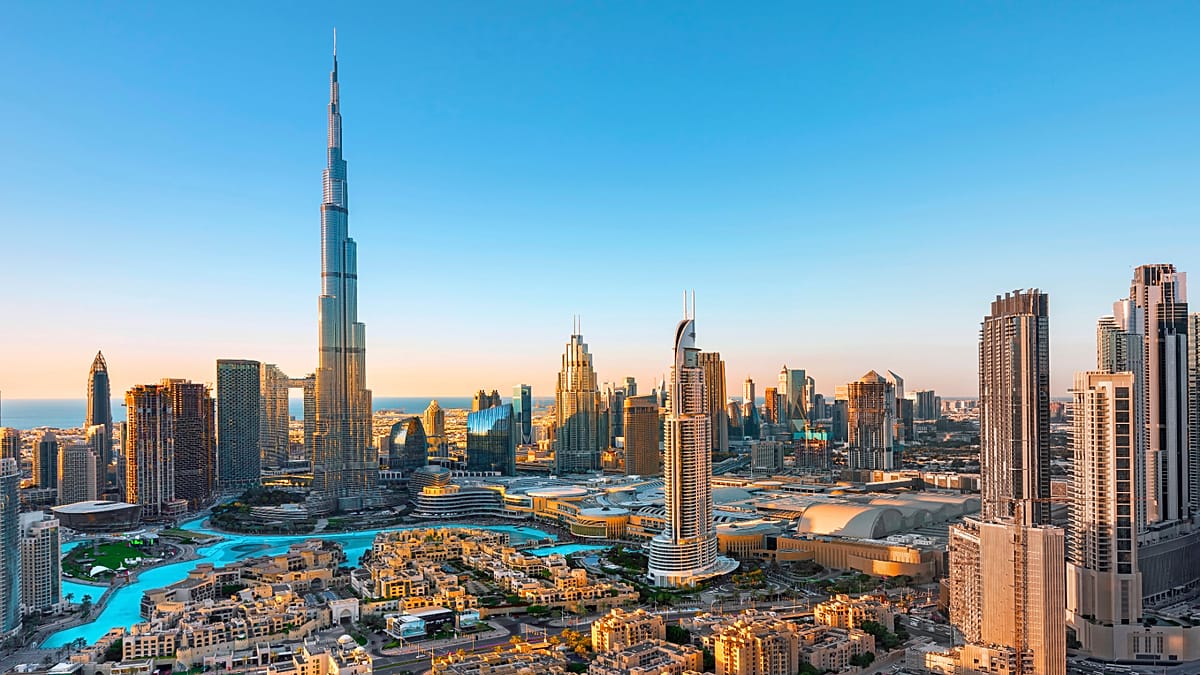
Dubai has positioned itself as a leading destination for digital businesses, leveraging advanced infrastructure, forward-looking regulation, and global connectivity. The emirate's strategy offers a compelling case study for European cities and regions seeking to attract high-growth technology companies.
With more than 20 free zones and a network of incubators and accelerators, Dubai provides a supportive environment for startups at various stages. These zones offer specialized frameworks while integrating seamlessly into the city's broader technological landscape. For European entrepreneurs, this model highlights the importance of creating flexible, business-friendly zones that reduce friction.
Measurable growth and government ambition
The numbers underscore Dubai's momentum. In the first quarter of 2026, the Information and Communication sector contributed €11.1 billion (AED 12.1 billion) to GDP, a 2.7% year-on-year increase, representing 5.2% of total output. This growth is part of the Dubai Economic Agenda (D33), which targets €24.8 billion (US$27 billion) in annual economic value from digital transformation projects.
Beyond generative AI, Dubai launched a two-year initiative in May 2026 to accelerate Agentic AI adoption in the private sector, backed by training, incubators, and dedicated funding. This early move to support autonomous AI systems signals a forward-thinking approach that European policymakers could study.
The startup ecosystem is thriving. In 2025, Dubai Chamber of Digital Economy supported 1,690 digital startups, a 39.7% increase from 2024. International companies made up 75% of those supported, with AI-focused firms at 15% and fintech at 12%. Events like Expand North Star, which in October 2025 brought together 2,000 startups and 1,200 investors managing €1.01 trillion in assets, demonstrate the emirate's ability to attract global capital.
Regulatory clarity as a competitive edge
For companies in emerging sectors, clear and predictable legal frameworks are essential. Dubai's Virtual Assets Regulatory Authority (VARA) provides a defined structure for virtual asset activities, reducing uncertainty for investors and founders. This regulatory clarity is a key advantage that European jurisdictions, with their fragmented approaches, could learn from.
Saeed Al Gergawi, Vice President of Dubai Chamber of Digital Economy, emphasized: “Dubai’s approach is focused on creating the right conditions for digital companies to innovate, grow and scale with confidence. This means developing a business environment that combines regulatory clarity with the flexibility needed to keep pace with rapidly evolving technologies, while connecting companies with the talent, capital and partnerships they need to succeed globally.”
For European readers, Dubai's model raises questions about how the EU and its member states can foster similar ecosystems. While Europe has strengths in research and talent, it often lags in commercialization and scaling. Initiatives like the digital euro and efforts to cut reliance on US payment systems show a willingness to act, but more can be done to streamline regulation and support startups.
Dubai's success also highlights the importance of soft-landing mechanisms for international companies. The Business in Dubai initiative helps firms navigate regulatory processes and build commercial pipelines, a concept that European cities like Berlin, Amsterdam, or Lisbon could adapt to attract global tech talent.
As Europe debates its competitiveness, the lessons from Dubai are clear: infrastructure, regulatory clarity, and proactive government support can create a thriving digital economy. Whether European hubs can replicate this success remains to be seen, but the benchmark is set.