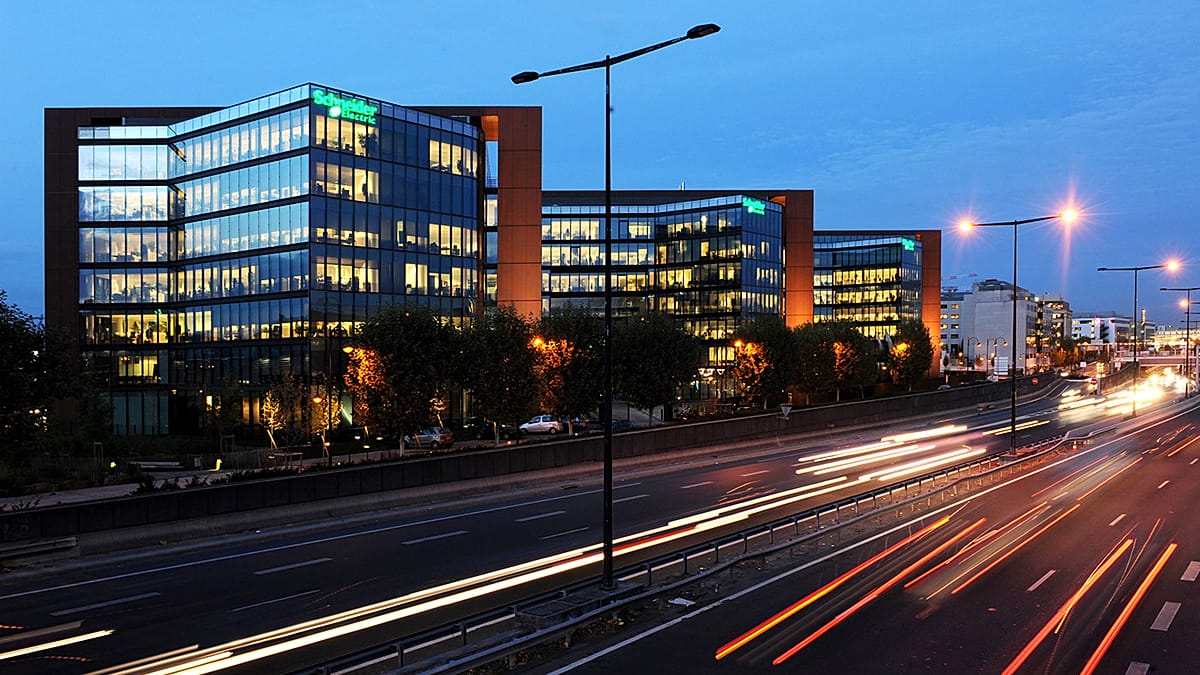
Schneider Electric, the French energy technology group, saw its shares fall sharply on Monday after it confirmed a definitive agreement to acquire PTC, a US-based industrial design software company, for $22.6bn (€20.1bn). The deal marks the largest acquisition in Schneider's history and is a strategic bet on industrial artificial intelligence.
The company will pay $205 per share in cash for all of PTC's shares, valuing the equity at $22.6bn and the enterprise value, including debt, at $23.7bn (€21.1bn). The offer represents a 42.3% premium to PTC's last closing price, a figure that raised eyebrows among investors.
In a statement, Schneider said the acquisition "creates a leading, scaled, open and interoperable industrial software and AI franchise," and confirmed that PTC's board had approved the deal. The French group aims to combine its industrial software and AI capabilities to help customers design, manufacture, operate, and maintain products more efficiently, using industrial data to guide decisions and improve performance.
Olivier Blum, chief executive of Schneider Electric, said: "The acquisition of PTC represents an important step forward in our ambition to lead the new era of Energy and Industrial Intelligence. Together, we are creating the industry’s most complete Software & AI powerhouse and highest-quality portfolio bridging the physical and digital worlds."
The announcement comes amid growing concerns that advances in artificial intelligence could disrupt traditional software business models by offering cheaper alternatives. PTC's valuation had fallen to as low as 13.1 times forward earnings this year, according to MarketWatch, citing FactSet. Analysts at Jefferies warned that AI disruption fears had depressed software valuations, allowing Schneider to buy PTC at a decade-low valuation, but those same fears could continue to weigh on Schneider's shares after the deal.
Strategic rationale and financing
PTC, headquartered in Boston, employs more than 7,000 people and serves over 30,000 customers. In its 2025 financial year, roughly half of its revenue came from the Americas. Its chief executive, Neil Barua, said: "We gain substantial scale and resources to accelerate innovation, advance our Intelligent Product Lifecycle vision, and expand our business into more geographies and end markets to serve more customers."
To finance the transaction, Schneider plans to issue up to €17bn in debt and up to €6bn in new shares. The company expects annual cost savings of €250m by the third year after completion, along with approximately €800m in additional revenue from combining the businesses. It also plans to pause share buybacks in 2027 and 2028, before accelerating purchases to complete its existing €2.5bn–€3.5bn programme by the end of 2030.
The deal is expected to close by the third quarter of 2027, subject to customary conditions, including approval from PTC shareholders holding at least a majority of its outstanding shares and the required regulatory approvals.
Schneider Electric, one of Europe's most valuable companies, has been expanding its software and digital services footprint. The acquisition of PTC is a clear signal of its ambition to lead in the convergence of energy management and industrial intelligence. However, the market's reaction on Monday suggests that investors are wary of the price tag and the potential for AI-driven disruption in the software sector.
This move comes at a time when European industrial groups are increasingly looking to strengthen their digital offerings. The deal also highlights the broader trend of European companies acquiring US tech assets to bolster their AI capabilities, even as concerns about valuation and integration risks persist.