Eight European Union member states have rallied behind the bloc's expanded carbon market, pushing back against mounting calls to postpone or dilute it. In a joint letter to Climate Action Commissioner Wopke Hoekstra, the climate ministers of Denmark, Finland, Germany, Luxembourg, the Netherlands, Portugal, Spain and Sweden argue that delaying the scheme would worsen Europe's energy security and prolong its reliance on imported fossil fuels.
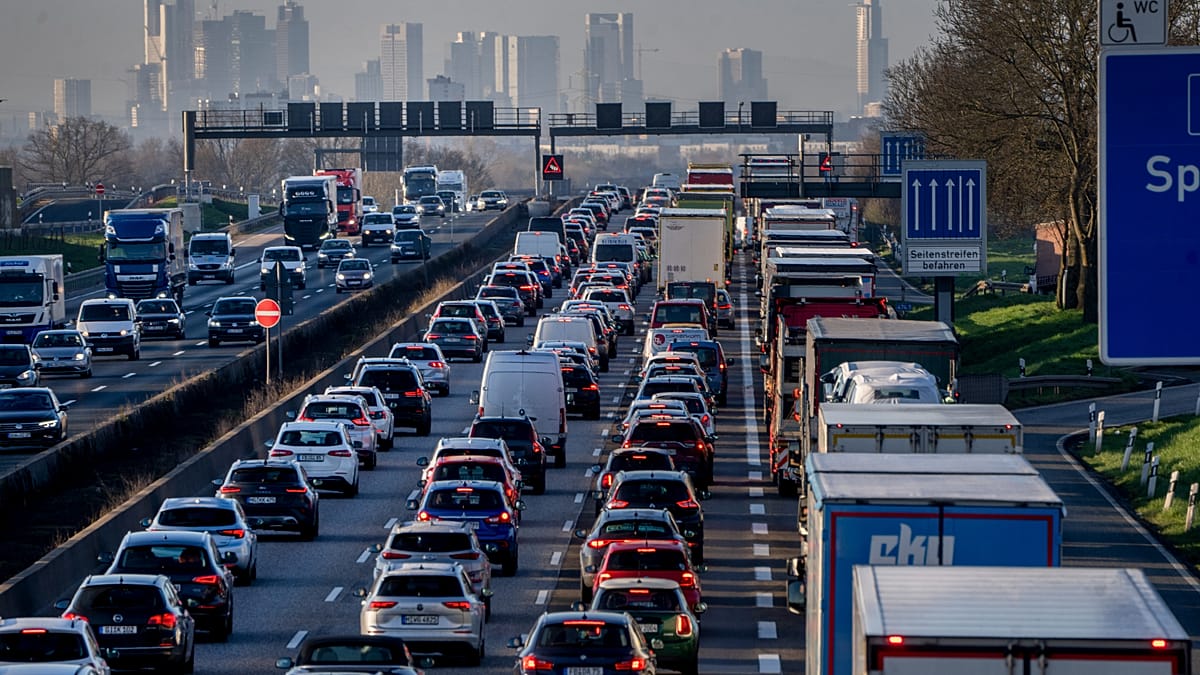
The letter, dated 23 November and seen by Euronews, comes as the EU prepares to launch the second phase of its Emissions Trading System (ETS2) in January 2028, after already postponing it by a year. The scheme will place a carbon price on fuels used for road transport and heating, with energy suppliers expected to pass the cost on to consumers.
Energy security as a strategic imperative
The ministers frame the issue in stark geopolitical terms. They note that the EU imported €340 billion worth of fossil fuels in 2025, and that the closure of the Strait of Hormuz earlier this year has added €127 billion in extra import costs due to higher prices. "By providing a cost-effective means to accelerate the decarbonisation of the road transport and building sectors, ETS2 strengthens Europe's energy security by reducing dependence on fossil fuel imports and promoting electrification," the letter reads.
Danish Climate, Energy and Utilities Minister Samira Nawa stressed the urgency: "We need to accelerate the clean transition so the EU can reduce its dependence on expensive and unreliable fossil energy imports. That is crucial for lowering energy prices, strengthening our long-term competitiveness and stepping up our efforts to combat climate change."
The intervention is a direct response to pressure from the Visegrad Group (Czech Republic, Hungary, Poland, Slovakia), Italy and Greece, who have called for the scheme to be softened or scrapped. At the EU summit in Brussels on 15–16 October, leaders resisted those demands but agreed to assess ETS2's impact before its introduction.
Defending the package deal
The eight governments also warn against using the Commission's upcoming review of ETS2 as an opportunity to reopen the legislation. They argue that the system is part of a carefully balanced climate framework, which includes the Social Climate Fund to cushion vulnerable households and businesses from higher heating and transport costs. Changing ETS2 in isolation, they caution, would undermine that broader agreement.
"A strong implementation of ETS2 without further delays provides regulatory certainty and investment signals that are crucial to ensure the necessary investments towards decarbonisation and electrification," the letter states. The ministers also point out that sticking to the timetable would generate revenues for national governments and give businesses the predictability they need to invest in cleaner technologies.
Czech Deputy Prime Minister Karel Havlíček, however, remains unconvinced. He told Euronews that the energy crisis, Russia's war in Ukraine and continued geopolitical tensions have led to "exceptionally high energy costs" for households and businesses across the EU. "Implementing ETS2 under these circumstances, when the system was designed and agreed upon under completely different geopolitical and economic conditions, simply does not seem reasonable to us," he said.
The debate over ETS2 reflects a broader tension in European climate policy between long-term decarbonisation goals and short-term political pressures. As energy prices remain volatile and the geopolitical landscape shifts, the eight countries are betting that a firm commitment to the carbon market will ultimately strengthen Europe's strategic autonomy. Whether they can hold the line against the sceptics will be a key test in the coming months.