The US National Oceanic and Atmospheric Administration (NOAA) confirmed on 11 June that El Niño has formed in the Pacific Ocean, with meteorologists predicting it could rival the record-breaking 1997 event that caused billions of dollars in damage globally. For Europe, the implications are stark: the continent faces a heightened risk of extreme weather, from heatwaves in southern Europe to floods in the north, as the natural warming cycle amplifies the effects of fossil fuel-driven climate change.
European Impacts: Heat, Drought, and Floods
While El Niño's effects vary by region, European climate scientists are particularly concerned about its interaction with existing warming trends. In southern Europe, including Spain, Italy, and Greece, the phenomenon is expected to exacerbate heatwaves and drought, threatening agriculture and water supplies. A recent study highlighted that regenerative farms lost three times less yield in France's droughts, underscoring the vulnerability of conventional farming. Northern Europe, including the UK and Scandinavia, may see increased rainfall and flooding, while the Balkans could face a mix of both extremes.
“El Niño conditions will pour fuel on the fire of a warming world,” said United Nations Secretary-General António Guterres in a video message. The UN chief described the event as an “urgent climate warning,” urging governments to accelerate emissions reductions and invest in adaptation.
Economic and Agricultural Risks
The economic toll could be significant. Stanford climate economist Marshall Burke noted that “the US economy grows more slowly when temps are above normal,” a pattern that applies to Europe as well. In the EU, agriculture is particularly exposed: grain and seed production in major growing regions like France and Germany may face mixed outcomes, while dairy and cattle sectors are at risk from heat stress. The Pope's recent visit to Italy's 'Land of Fires' highlighted the environmental crises already plaguing the continent.
Meteorologist Michael Ferrari of investment research firm Moby said conditions for soybeans and grains look favourable in some US states, but for Europe, the picture is more uncertain. The European Commission's Joint Research Centre has warned that prolonged heat could reduce crop yields in the Mediterranean, while northern Europe may see bumper harvests if rains are well-timed.
Scientific Consensus and Early Signs
NOAA's announcement cited a 63% chance that this El Niño will rank among the largest since 1950, with peak intensity expected in late fall or early winter. However, Muhammad Azhar Ehsan, a climate scientist at Columbia University, said his team's models suggest an earlier peak, based on strong early signs such as warmer water pushing toward the Pacific surface. Princeton's Gabriel Vecchi noted that large El Niños tend to last longer, potentially extending impacts into 2025.
European researchers are closely monitoring the phenomenon. The European Centre for Medium-Range Weather Forecasts (ECMWF) in Reading, UK, has updated its seasonal outlooks to account for El Niño's influence. “The warm, deep waters of an El Niño bring a lot of extra heat to the surface, fuelling extreme events,” said Clark University's Abby Frazier. “In the Pacific, it can get dire very quickly, but Europe is not immune.”
Regional Winners and Losers
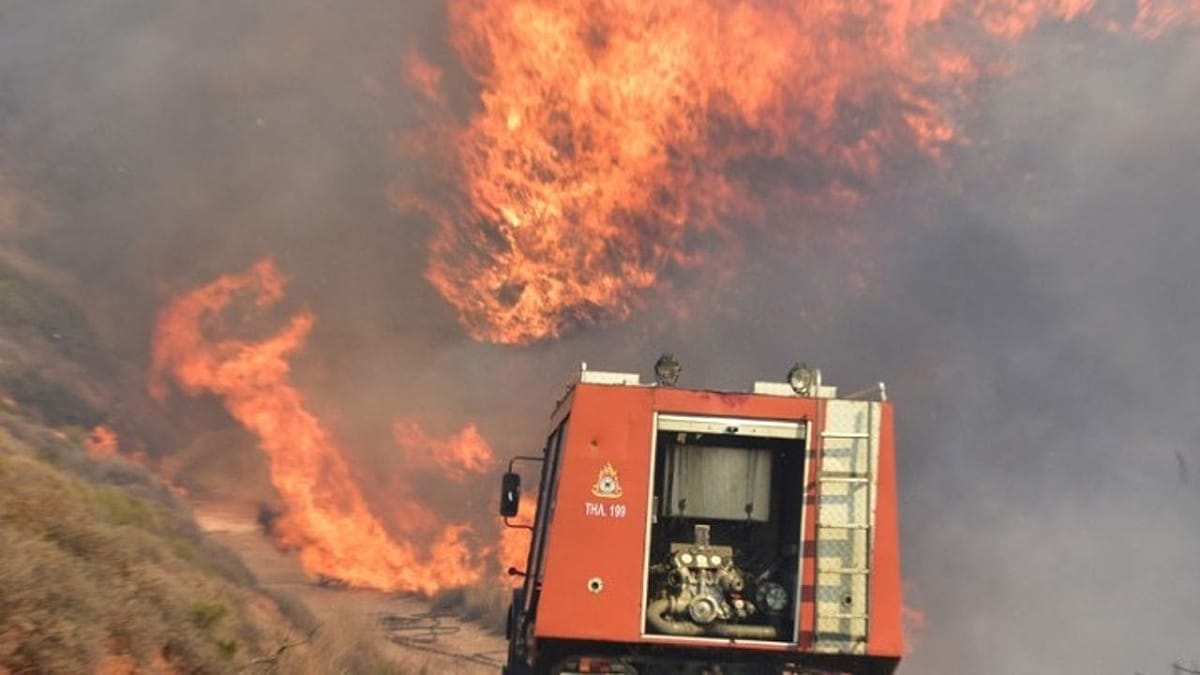
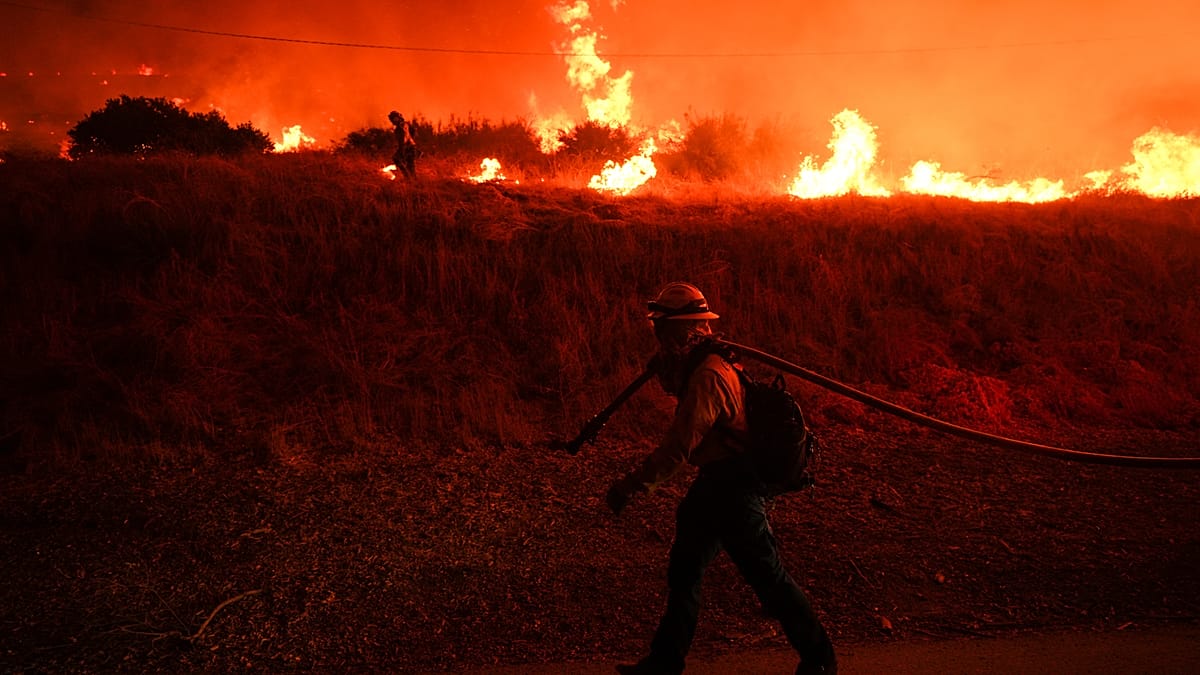
El Niño's effects are not uniformly negative. The drought-stricken Middle East and North Africa could see beneficial rains, while parts of western South America face heavy floods. In Europe, the Mediterranean basin is likely to suffer most, with increased wildfire risk in Portugal, Spain, and Greece. Conversely, the UK and Ireland may experience milder winters, though with higher storm frequency.
The phenomenon also influences Atlantic hurricane activity, typically dampening it, which could reduce storm risks for the Caribbean and US East Coast. However, Pacific islands like Hawaii face greater danger. For Europe, the main concern remains the compounding effect on already rising temperatures: several climate scientists forecast that 2027 could be the hottest year on record due to El Niño's lagging effects.
As the world warms from the burning of coal, oil, and gas, scientists predict stronger El Niños in the future. “It is too early to say if this El Niño is part of that trend,” Frazier cautioned, “but the signs are worrying.” The event has already earned nicknames ranging from “super” to “Godzilla,” reflecting its potential severity.