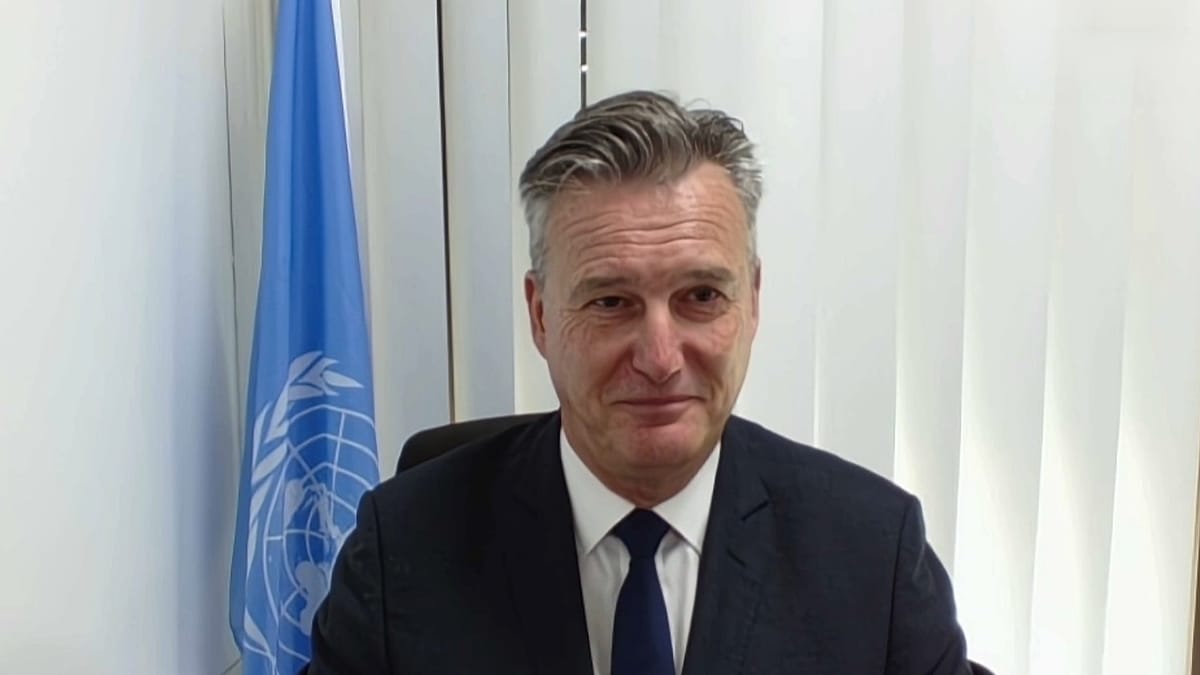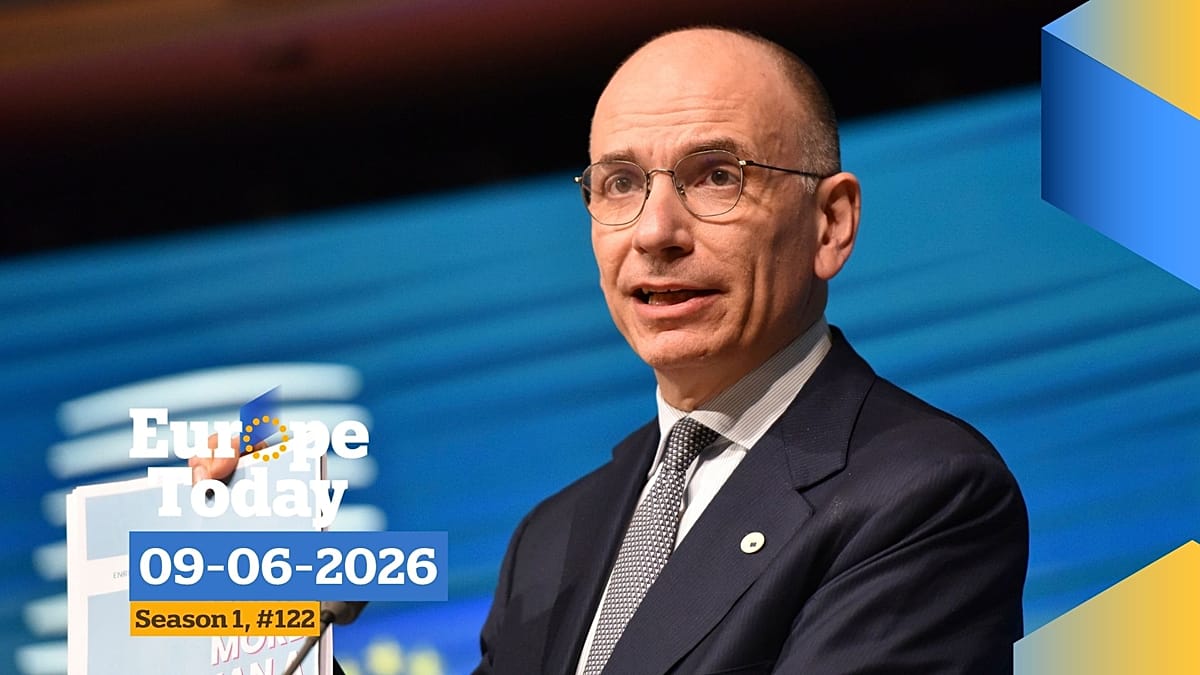
In a wide-ranging interview with Euronews, Enrico Letta — former Italian prime minister and current president of the Jacques Delors Institute in Paris — offered his assessment of the European Union's political direction. Speaking as part of the Europe Today programme, Letta touched on the bloc's internal cohesion and its role in a volatile geopolitical landscape.
Letta, who led Italy's government from 2013 to 2014, has remained an influential voice in EU policy circles. His comments come at a time when the Union faces multiple pressures: from the war in Ukraine to energy security and the challenge of maintaining unity among twenty-seven distinct member states. The interview did not focus on any single policy proposal but rather on the broader need for strategic coherence.
Iran Ends Direct Military Operations Against Israel
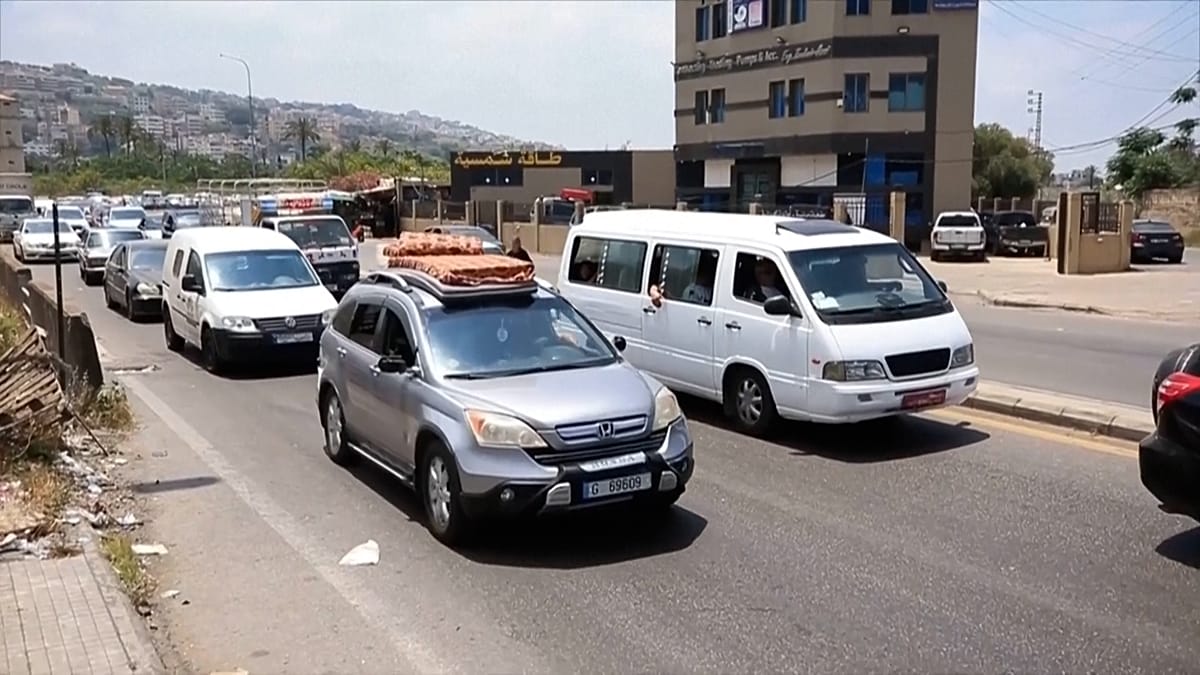
Separately, the programme covered a significant development in the Middle East. Iran announced it has ended its direct military operations against Israel, following a series of exchanges that had raised fears of a wider regional conflict. However, Tehran issued a stark warning: any new Israeli strikes on Lebanon or Iranian territory would trigger a more crushing response.
The announcement was reported by Euronews correspondent Laila Humairah from Doha, who noted that the situation remains highly volatile. The Iranian statement did not specify whether it considered the matter closed or merely paused, leaving room for interpretation among security analysts.
Mustansar Klasra, a security analyst at The Islamabad Telegraph, provided context on the broader implications. He pointed out that Iran's decision to halt operations may be tactical, aimed at de-escalating tensions while preserving the option of future retaliation. The region remains on edge, particularly along the Israel-Lebanon border where Hezbollah is active.
This development follows a period of heightened military activity. Earlier, Iran launched missiles at Israel in its first direct attack since the April ceasefire, a move that shattered the fragile calm. The subsequent halt in operations, while welcome, does not eliminate the underlying risks.
EU Defence Ministers Meet in Brussels
Euronews' Angela Skujins reported from Brussels on the latest gathering of EU foreign and defence ministers. The meeting focused on bolstering the bloc's military readiness and coordinating responses to external threats. Discussions included joint procurement of defence equipment and the possibility of a European defence fund, though no binding decisions were announced.
The ministers also addressed the situation in the Middle East, with several calling for restraint and renewed diplomatic efforts. The EU has struggled to present a unified front on the Israel-Iran conflict, given the diverse foreign policy positions of its member states.
Poland-Ukraine Diplomatic Crisis Deepens
In a separate segment, Jakub Janas provided an explainer on what he described as the deepest diplomatic crisis between Poland and Ukraine since the start of the full-scale war. Tensions have escalated over grain exports and historical grievances, straining what had been a close alliance. The dispute threatens to undermine the broader European solidarity with Kyiv, as Poland has been one of Ukraine's strongest supporters.
The crisis highlights the delicate balance within the EU, where national interests can clash with collective foreign policy goals. For now, both sides have signalled a willingness to negotiate, but the underlying issues remain unresolved.
As the Europe Today programme made clear, the continent is navigating a complex web of challenges — from internal EU dynamics to conflicts on its periphery. The coming weeks will test whether European leaders can maintain cohesion in the face of these pressures.