In a stark assessment of European security, Estonian President Alar Karis has urged the European Union to rapidly strengthen its own defence industrial base and military readiness. His central warning: the continent must build capacity so it never has to test the credibility of NATO's foundational mutual defence pledge, Article 5.
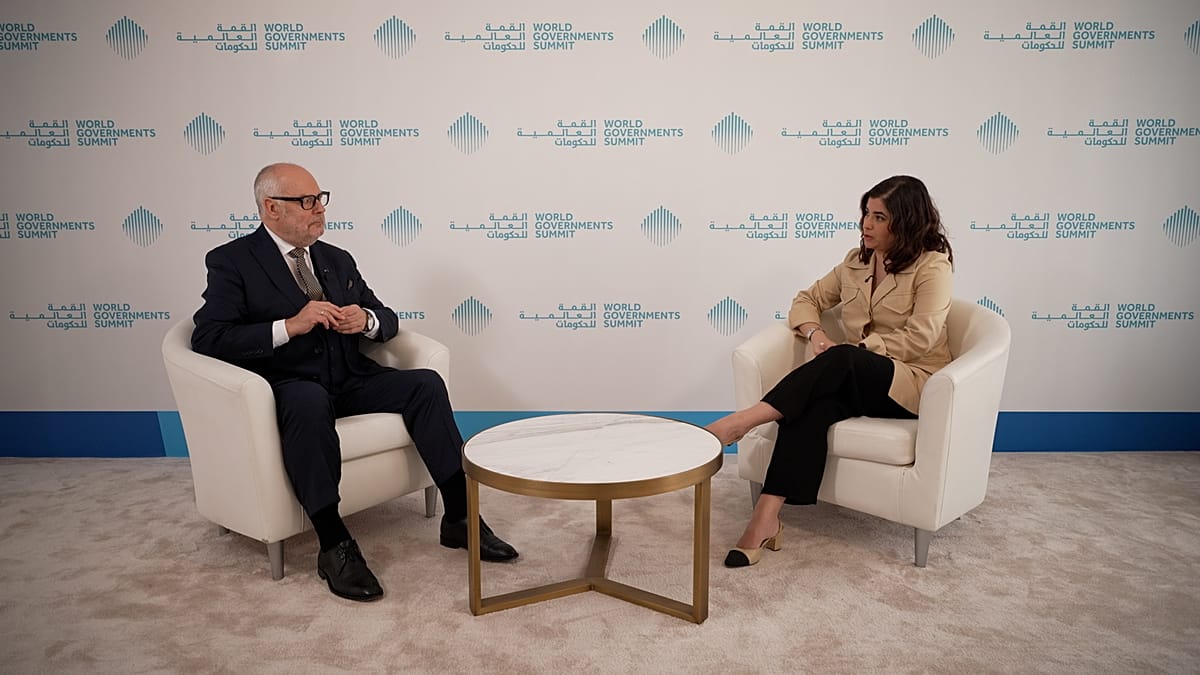
Speaking to Euronews on the sidelines of the World Governments Summit in Dubai, President Karis addressed growing anxieties over the future of transatlantic security guarantees, particularly given the rhetoric of former and potential future US President Donald Trump. Trump has previously labelled NATO allies as delinquent and described European leadership as 'weak.'
'We're not worried,' Karis said regarding Washington's commitment to collective security. He expressed confidence that the United States would honour Article 5, which states that an armed attack against one ally shall be considered an attack against all. However, he immediately qualified this by arguing Europe should not create a situation where this commitment is called into question.
'We don't want to test Article 5, but we have to be ready to defend ourselves,' the President stated. This sentiment underscores a strategic shift across capitals from Tallinn to Berlin, where reliance on American security is increasingly paired with urgent investment in continental self-sufficiency.
A Post-Cold War 'Naivety'
Karis attributed the current vulnerability to a prolonged period of European complacency following the dissolution of the Soviet Union. 'After the fall of the Berlin Wall, we thought wars were over, and we were developing so fast, but if you look back in history, it's a story of thousands of years of wars,' he reflected. He described the bloc as having been 'naive' to relegate security concerns during the post-Cold War peace dividend.
This call for vigilance echoes recent statements from other European leaders. For instance, former Finnish Prime Minister Sanna Marin has urged the EU to integrate battlefield lessons from Ukraine directly into its defence strategy, highlighting the need for a practical, war-focused approach to capability development.
The geopolitical landscape has forced a recalculation. Last summer, at the NATO summit in Vilnius, European allies collectively agreed to a new benchmark of spending 2% of GDP on defence as a floor, not a ceiling, partly to address Washington's criticisms. Some nations, particularly those on NATO's eastern flank, already exceed this target.
'We have to be prepared and make sure it doesn't happen again. Or at least to postpone it,' Karis warned, referencing the threat of major conflict on European soil. His comments come as the war in Ukraine continues to reshape defence planning from the Baltic states to the Black Sea.
The Economic and Industrial Challenge
Bolstering defence is not solely a matter of political will but a significant industrial and fiscal challenge. It requires long-term investment in manufacturing capacity, supply chains, and research. The debate also intersects with other critical policy areas, as the EU's Energy Chief has warned of prolonged price hikes from Middle East conflict, which could strain budgets further.
Furthermore, internal EU governance issues can undermine collective resolve. Recent scandals, such as the Greek Parliament stripping immunity from 13 MPs in an EU farm subsidy fraud investigation, highlight the ongoing need for fiscal integrity to fund ambitious projects like a common defence push.
For smaller nations like Estonia, which shares a border with Russia, the issue is existential. The country has consistently been one of NATO's highest defence spenders as a percentage of GDP. Karis's message is clearly aimed at larger Western European powers, encouraging them to match the urgency felt on the alliance's frontiers.
The Estonian President's interview reinforces a growing consensus within European institutions: strategic autonomy in defence is no longer an abstract concept but a necessary insurance policy in an increasingly volatile world. The task now is to translate political statements into tangible military capability, ensuring Europe is prepared to defend its own security without ever having to verify if its allies will answer the call.