The European Council has formally adopted its first comprehensive drug strategy, a framework designed to address the escalating drug crisis across the continent. The move comes amid alarming data from the European Union Drugs Agency, which reported at least 7,600 annual overdose deaths and a dramatic rise in synthetic drug trafficking—up by over 1,000 percent in the past decade.
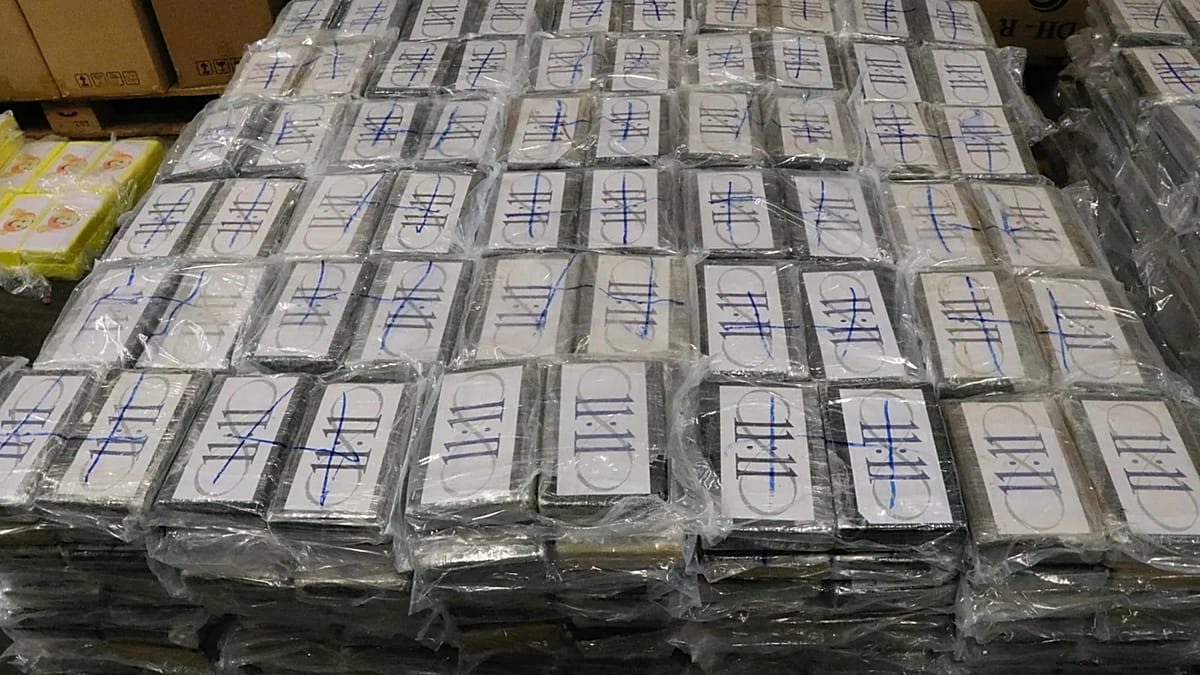
Organised crime networks have proven adaptable, shifting cocaine shipments to secondary regional ports as law enforcement tightens controls at major hubs. This has contributed to over 29 million European adults actively using illicit substances, driving more than one million law enforcement seizures annually.
A Coordinated Response to a Growing Threat
The new framework, adopted by unanimous political consensus, mandates that major EU maritime ports form alliances and coordinate their efforts. It also targets the financial underpinnings of trafficking networks and imposes legal bans on certain precursor chemicals to disrupt synthetic drug production. The strategy represents an aggressive attempt to systematically dismantle organised crime, a challenge that has become increasingly sophisticated across the bloc.
On the health front, the plan includes rolling out city-level tracking networks to monitor drug use patterns, deploying take-home overdose reversal medications, and funding integrated treatment models specifically designed for marginalised groups—those most vulnerable to drug-related harm. These measures aim to reduce the public health burden while addressing the root causes of addiction.
The strategy reflects a broader European push to balance enforcement with harm reduction, a debate that has intensified in recent years. While some member states have long advocated for decriminalisation or legalisation, the Council's approach remains firmly focused on supply reduction and public health interventions.
This initiative comes as the EU also grapples with other security and geopolitical challenges, such as US plans to reduce fighter jets and warships for NATO in Europe, which could shift resources away from counter-narcotics operations. Meanwhile, the bloc's sanctions envoy has highlighted China as a 'very big problem' for Russia measures, underscoring the interconnected nature of global security threats.
The drug strategy also aligns with the EU's broader de-risking agenda, as seen in its sweeping tech sovereignty package and supply chain caps to reduce reliance on China. These efforts reflect a continent seeking to assert greater control over its internal and external vulnerabilities.
Critics argue that the strategy may not go far enough in addressing the demand side of the equation, particularly in countries like Portugal and the Netherlands, which have pioneered alternative approaches. However, the Council's unanimous approval signals a rare moment of unity on a deeply divisive issue.
As the framework moves toward implementation, its success will depend on the willingness of member states to share intelligence, harmonise legal standards, and invest in both enforcement and treatment. The stakes are high: with overdose deaths rising and synthetic drugs becoming more potent, Europe's drug problem is no longer a peripheral concern but a central policy challenge.