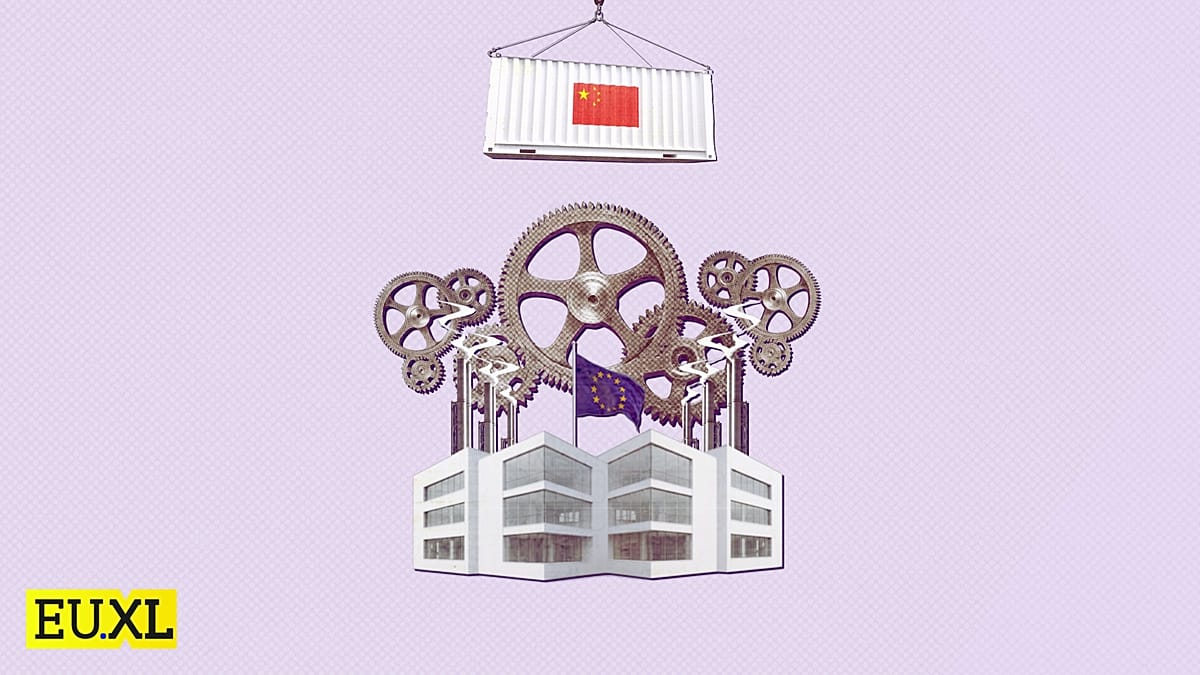
Brussels is pushing forward with a plan to reduce Europe's dependence on a single supplier for critical components, a move aimed squarely at China. The European Commission wants to cap the share of any critical component that a company can buy from one supplier at 30 to 40 percent. Firms would need at least two or three sources, none from the same country.
The proposal targets sectors where Europe relies heavily on Chinese exports, from rare earth magnets used in wind turbines to battery materials for electric vehicles. Semiconductors and defence equipment are also in the crosshairs. Beijing has used export controls as leverage in recent years, leaving European factories exposed to sudden supply disruptions.
Commission Backs Tougher De-Risking Strategy
All 27 Commissioners met on 29 May and agreed that the current trade relationship with China is unsustainable, backing a tougher de-risking strategy. The Commission has also launched the €3 billion ReSourceEU plan to build alternative supply sources across Europe. This initiative aims to develop domestic production and diversify imports from other regions, including the Balkans and North Africa.
The push comes as a Belgian poll showed that for the first time, a majority of Belgians see the United States as a bigger threat than China, reflecting shifting perceptions of global risks. Meanwhile, an OECD report highlighted that China's state subsidies have reached record levels, distorting markets and putting European firms at a disadvantage.
The proposal faces serious hurdles. Critics warn it will raise costs for European companies, hurt their competitiveness, and risk breaching World Trade Organisation rules. Any legislation must be written in country-neutral terms to avoid singling out China, which could provoke retaliation. The Commission is expected to present a formal draft later this year, but the path to adoption is uncertain.
Some member states, particularly those with strong industrial bases like Germany and France, are wary of imposing rigid quotas that could disrupt supply chains. The European Parliament will also have a say, and debates are likely to be contentious. The Commission's own analysis suggests that the cost of reshoring production to Europe could be significant, but the long-term benefits of reduced vulnerability may outweigh the short-term pain.
For now, the message from Brussels is clear: Europe cannot afford to remain dependent on a single supplier for critical technologies. The question is whether the EU can implement these changes without damaging its own economy or triggering a trade war. The coming months will test the bloc's resolve.