A fresh report from the Organisation for Economic Co-operation and Development (OECD) has documented that Chinese state subsidies have reached unprecedented levels, climbing to nearly 10% of corporate revenue in the semiconductor industry. The analysis, released as European policymakers deliberate on countermeasures, underscores the scale of Beijing's financial support for strategic sectors.
The OECD's findings indicate that overall state aid to Chinese firms has risen sharply, with subsidies now accounting for a significantly larger share of company income than in previous years. In the chip sector alone, the figure approaches double digits, a level that the report argues distorts global markets and creates an uneven playing field for competitors in Europe and elsewhere.
Brussels has been increasingly vocal about the need to protect European industries from what it views as unfair Chinese practices. The European Commission is currently exploring a range of options, including potential tariffs, stricter investment screening, and limits on Chinese components in manufacturing supply chains. These discussions align with the broader push for strategic autonomy, aiming to reduce dependence on Beijing in critical sectors.
Semiconductor Subsidies Under Scrutiny
The semiconductor industry has become a focal point of global economic competition, with governments worldwide pouring billions into domestic chip production. China's subsidies, however, far exceed those of other major economies, according to the OECD. The report notes that these payments are not limited to direct grants but also include preferential loans, tax breaks, and state-backed equity investments.
European chipmakers, particularly those in Germany, the Netherlands, and France, have expressed concern that they cannot compete with state-backed Chinese rivals. The EU has responded by launching its own chip alliance with the United States, aiming to bolster semiconductor production and reduce reliance on Asian supply chains.
“The scale of Chinese subsidies is unprecedented and threatens to undermine the global semiconductor market,” said a senior EU trade official, speaking on condition of anonymity. “We are examining all tools at our disposal to ensure a level playing field.”
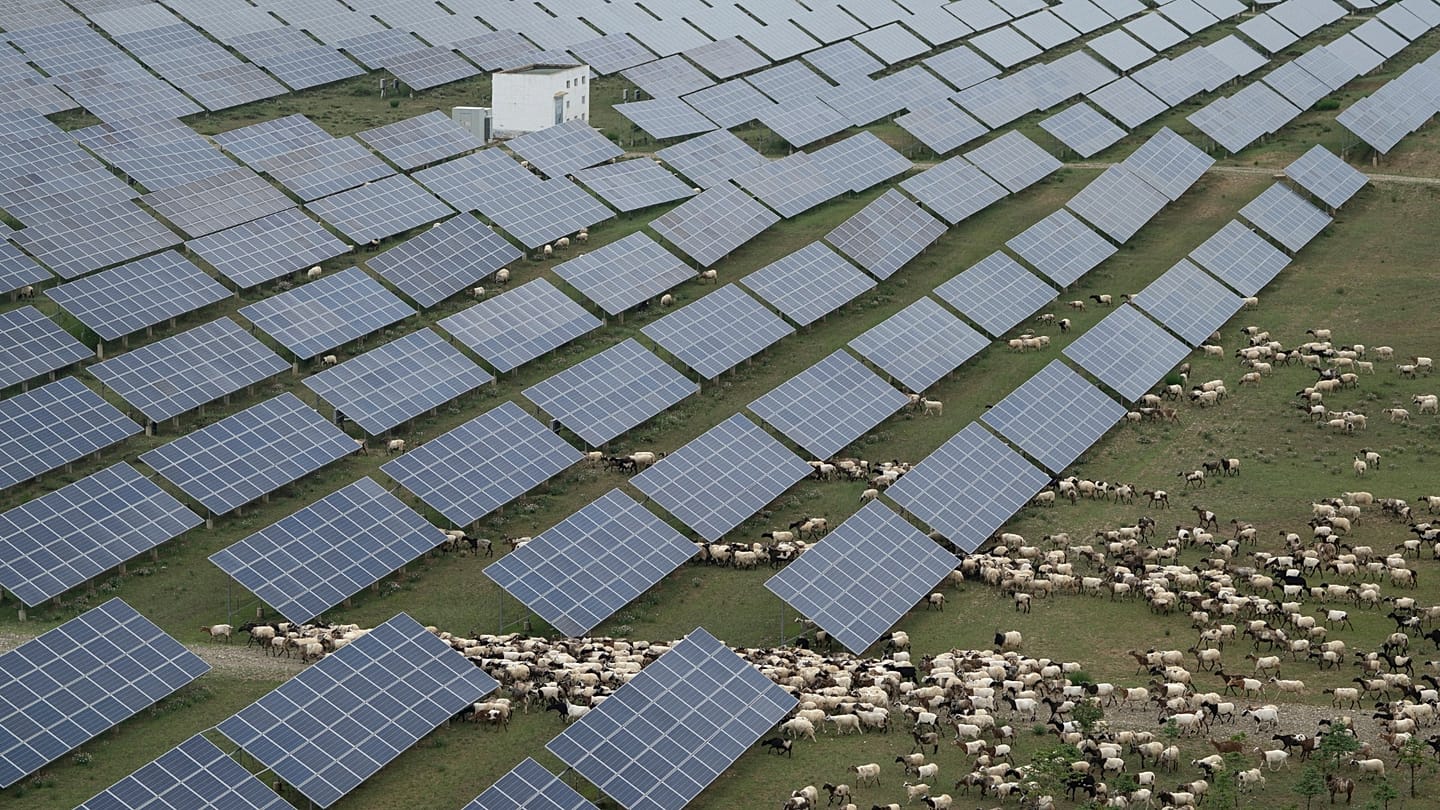
The OECD report also highlights that Chinese subsidies extend beyond semiconductors to other high-tech industries, including electric vehicles, batteries, and renewable energy equipment. In these sectors, state support has enabled Chinese companies to rapidly scale production and capture significant global market share, often at the expense of European firms.
EU Considers New Measures
The European Commission is expected to propose a series of measures in the coming months to counter what it describes as “market-distorting subsidies” from China. These could include stricter enforcement of existing trade defense instruments, such as anti-subsidy duties, as well as new regulations requiring greater transparency in state aid.
One proposal under consideration is capping the share of Chinese components in manufacturing supply chains, particularly in sectors deemed critical to EU security. Another involves expanding the scope of the EU's Foreign Subsidies Regulation, which was introduced in 2023 to address distortions caused by non-EU state aid.
However, some member states have urged caution, warning that overly aggressive measures could provoke retaliation from Beijing and harm European exporters. Germany, in particular, has a significant trade surplus with China and relies heavily on the Chinese market for its automotive and machinery industries.
The OECD report is likely to intensify these debates, providing empirical evidence of the scale of Chinese subsidies. It also comes amid broader tensions between the EU and China over issues ranging from technology transfers to human rights.
For European businesses, the message is clear: the competitive landscape is shifting, and state-backed Chinese firms are increasingly dominant. Whether Brussels can craft an effective response without triggering a trade war remains an open question.