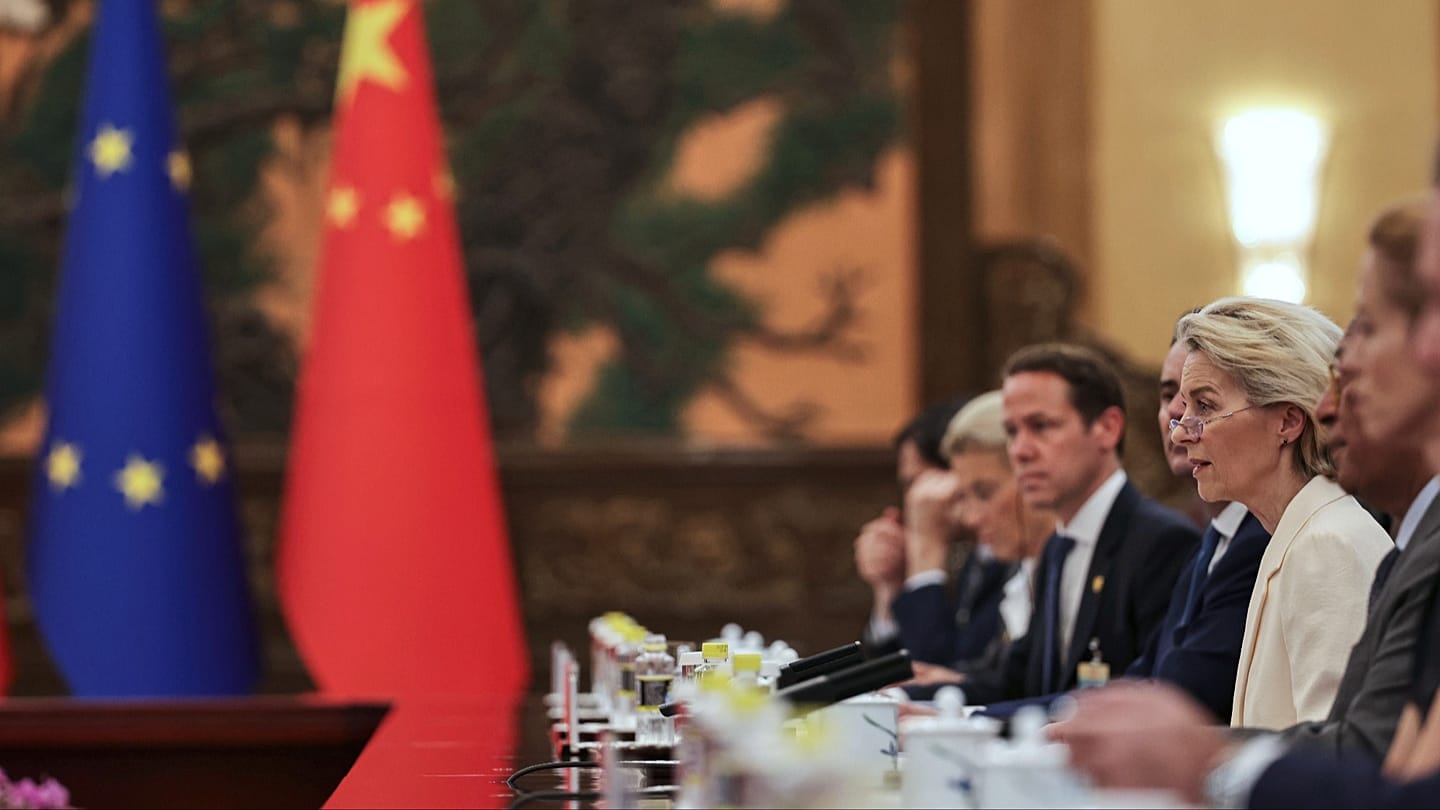
This Friday, all 27 European commissioners will convene in Brussels to debate the bloc's trade relationship with China, focusing on mitigating dumping practices and reducing strategic overdependencies. The meeting comes amid growing concerns over Beijing's industrial policies, which have threatened European manufacturing, particularly in Germany. As the EU considers stricter measures, the debate reflects a broader shift toward a harder line on trade imbalances, as detailed in EU Shifts Toward Harder Line on China as Trade Imbalances Persist.
Hungary's Fiscal Standoff
Simultaneously, Hungarian Prime Minister Péter Magyar is in Brussels to meet with European Commission President Ursula von der Leyen. The central topic: unlocking approximately €17 billion in frozen EU funds that have been withheld due to concerns over Hungary's rule of law and democratic standards. Magyar's visit is part of a broader effort to reset ties with the EU, following a period of tension under his predecessor. The outcome of this meeting could pave the way for a significant financial boost for Budapest, as explored in Hungary Unlocks €16.4 Billion in EU Funds After Magyar's Brussels Breakthrough.
The frozen funds, part of the EU's cohesion policy, are intended to support economic development and infrastructure projects across member states. However, the Commission has linked their release to progress on judicial independence, anti-corruption measures, and media freedom in Hungary. Magyar's government has signaled willingness to implement reforms, but critics argue that changes must be substantive, not merely cosmetic. As EU Commissioner McGrath noted, Hungary must reform for its people, not Brussels, a sentiment echoed in EU Commissioner McGrath: Hungary Must Reform for Its People, Not Brussels.
The dual agenda in Brussels highlights the EU's complex balancing act: maintaining a unified front against Chinese trade practices while managing internal disputes over democratic values. The outcome of both discussions will have far-reaching implications for the bloc's economic strategy and its internal cohesion.