The European Commission's new crisis guidelines paint a clear picture: every household should be able to manage on its own for the first 72 hours of an emergency. That means stockpiling food, water, and cash, preparing grab-and-go bags with documents and medicines, and mastering skills like cooking without electricity or administering first aid. The advice comes as cyberattacks, drone strikes, and natural disasters increasingly threaten critical infrastructure across the continent.
But the gap between official guidance and everyday reality is stark. According to the University of Latvia's 2026 Baltic Individual Crisis Preparedness Barometer, which surveyed residents in ten cities across eight Northern and Eastern EU countries plus Iceland and Norway, only 8% of respondents feel quite or completely prepared. Nearly half say they intend to improve their readiness within six months—but intention has not yet translated into action.
Preparedness remains low across Europe
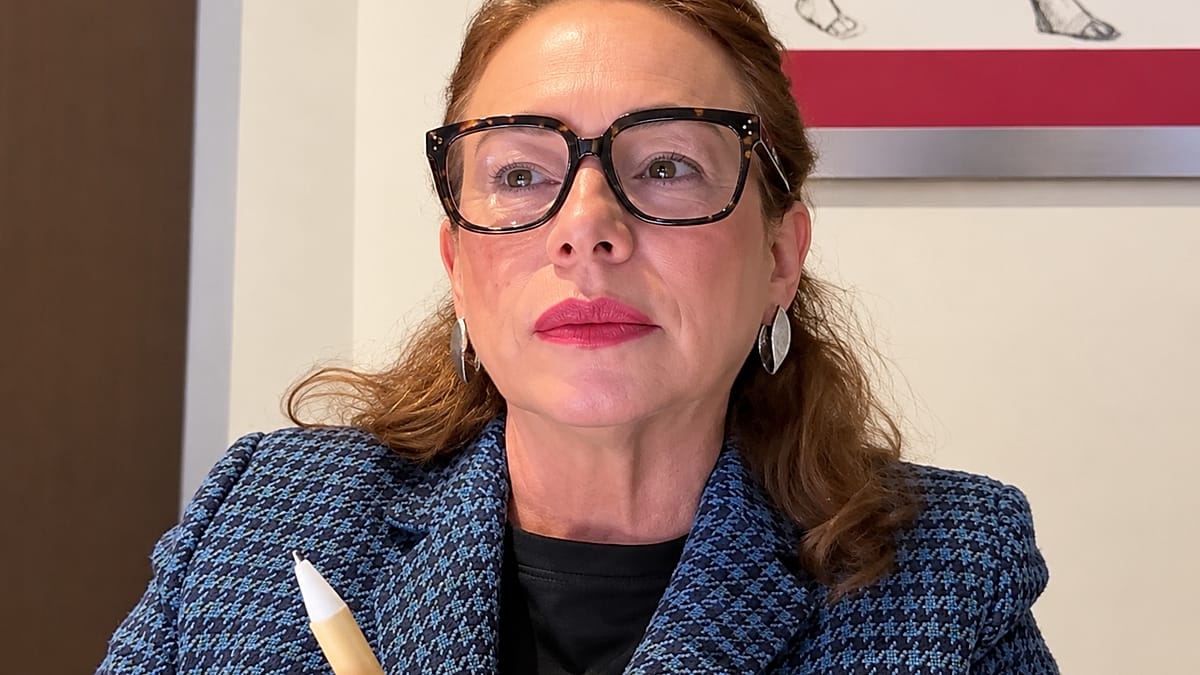
Hadja Lahbib, the EU Commissioner for Equality, Preparedness and Crisis Management, told Euronews that self-sufficiency in the first 72 hours is crucial because it “reduces the pressure on emergency services and allows them to focus on those most in need.” Yet the Barometer shows that at least half of residents in every surveyed city feel unprepared today. Dr. Ieva Birka, the lead researcher, is not surprised by the low numbers—what surprises her is that nothing is changing.
“Preparedness has never been talked about more: there are national brochures, EU guidance and constant media coverage. Yet households’ actual material preparedness is not moving,” Birka explained.
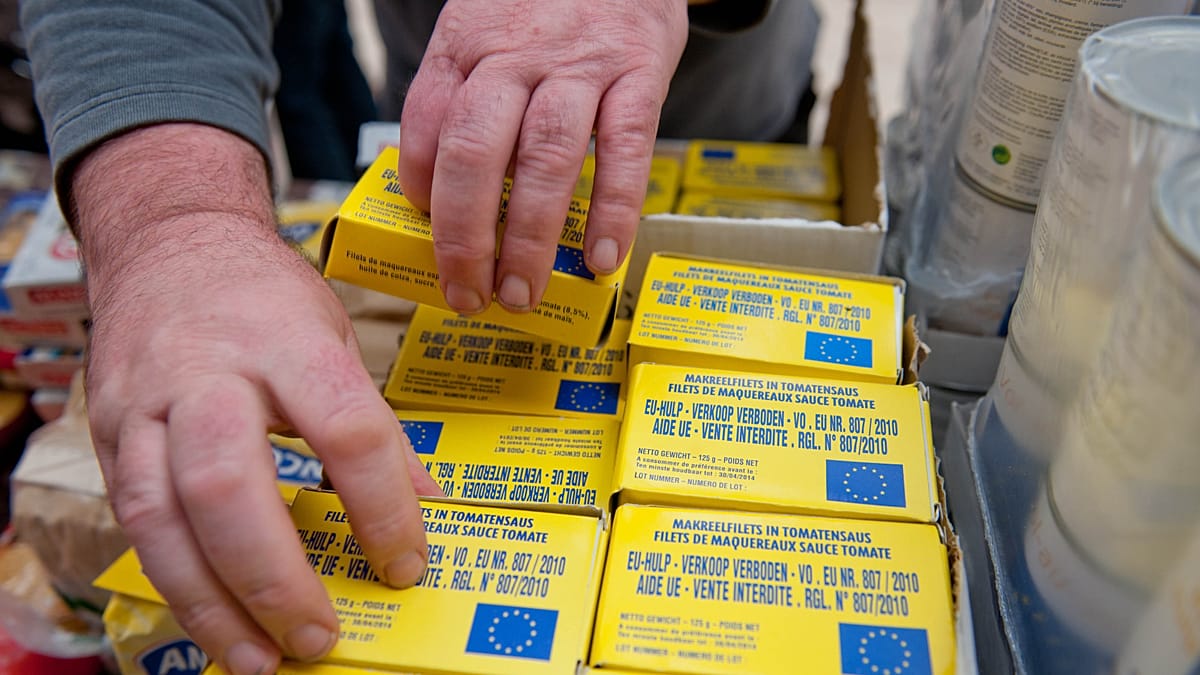
The data confirms the gap. Only 31% of respondents have enough drinking water at home for 72 hours or more, and just 25% have the same at work. While 71% believe they have enough food and 73% have first-aid supplies, only 38% own a battery-powered AM/FM radio. Cash reserves are also thin: only half think they have enough.
Geography plays a role. In Vilnius, where 67% of residents view an attack as a major threat, the unprepared are a minority—but even there, only about a quarter have three days' worth of water. “Feeling closer to the threat doesn’t mean being stocked up,” Birka noted.
Cost is a major barrier
Lahbib insists that “being prepared does not have to be expensive,” pointing to simple steps like building social networks and keeping basic supplies. But for many families, the math is daunting. A family of four needs 36 litres of water for three days, non-perishable food, a radio, first-aid supplies, medicines, and cash—together costing €100–150 in Baltic capitals. A fully stocked kit with sleeping bags and tents can exceed €300. If heating fails, alternatives like generators or portable power stations add hundreds more.
About 30% of respondents say they need financial help to prepare. Birka suggests targeted support—vouchers or ready-made kits for low-income households, distributed through municipalities and social services—rather than universal handouts. The Commission has launched a behavioural study on preparedness among low-income groups, with results expected next year.
Disability and dependence
Money is not the only constraint. A 2026 European Disability Forum report, citing UN data, finds that 91% of people with disabilities in Europe lack a personal disaster plan, and 43% cannot evacuate without help. Accessible early warning systems would reduce that figure to 22%, yet only 10% receive risk information in formats like braille or sign language.
Birka stresses that for these groups, “self-sufficiency depends on other people, so carers need to be prepared themselves.” The Commission urges inclusive evacuation plans, accessible shelters, and training for first-aid responders to communicate effectively with people with disabilities. Birka wants these measures embedded in national and municipal emergency plans, not as an “optional extra.” She also recommends personal emergency plans, support networks, voluntary registers of people needing assistance, and backup power for medical devices.
Psychological hurdles
For many, the obstacle is psychological. In Vilnius, 42% say the main barrier is the emotional difficulty of thinking about a crisis. “More leaflets won’t close the gap,” Birka said. “People want more direct reassurance from governments that there is a plan, that crises will be handled, and that if individuals do their share in preparing, the country, civil protection and emergency services, and the army will do theirs.”
Practical help, she argues, makes the difference—concrete action plans and neighbourhood-level awareness campaigns, tailored to different audiences, from short videos for younger generations to printed materials for older people.
The guidelines are non-binding. “Member States have been involved throughout,” Lahbib said, but “the EU cannot guarantee that citizens are ‘equally prepared’. That is the responsibility of each Member State.” This could leave Europeans unevenly prepared, widening existing gaps between countries. Birka argues for consistent tracking of progress across nations and over time to hold governments accountable.
As Europe pushes households to be ready for the worst, the reality is that many cannot—or will not—prepare. The challenge for policymakers is not just issuing advice, but making preparedness possible for everyone.