The European Commission is preparing to unveil an ambitious Electrification Action Plan that, according to a draft document seen by Euronews, could save the bloc roughly €200 billion annually in fossil fuel imports by 2040. The plan reframes climate action as an economic competitiveness issue, arguing that reducing reliance on imported oil and gas is both an environmental and industrial necessity.
The draft, which may still change before its official publication on 17 July, sets a target for electricity to account for a specific share of final energy consumption by 2040. This target would be enshrined in EU legislation as part of the next Energy Union package. The Commission argues that recent geopolitical shocks—including the conflict in the Middle East—have deepened Europe's vulnerability to fossil fuel price spikes. It notes that the EU spent an extra €50 billion on fossil fuel imports in just 111 days after disruptions at the Strait of Hormuz beginning 28 February.
Targeting the Three Biggest Fossil Fuel Consumers
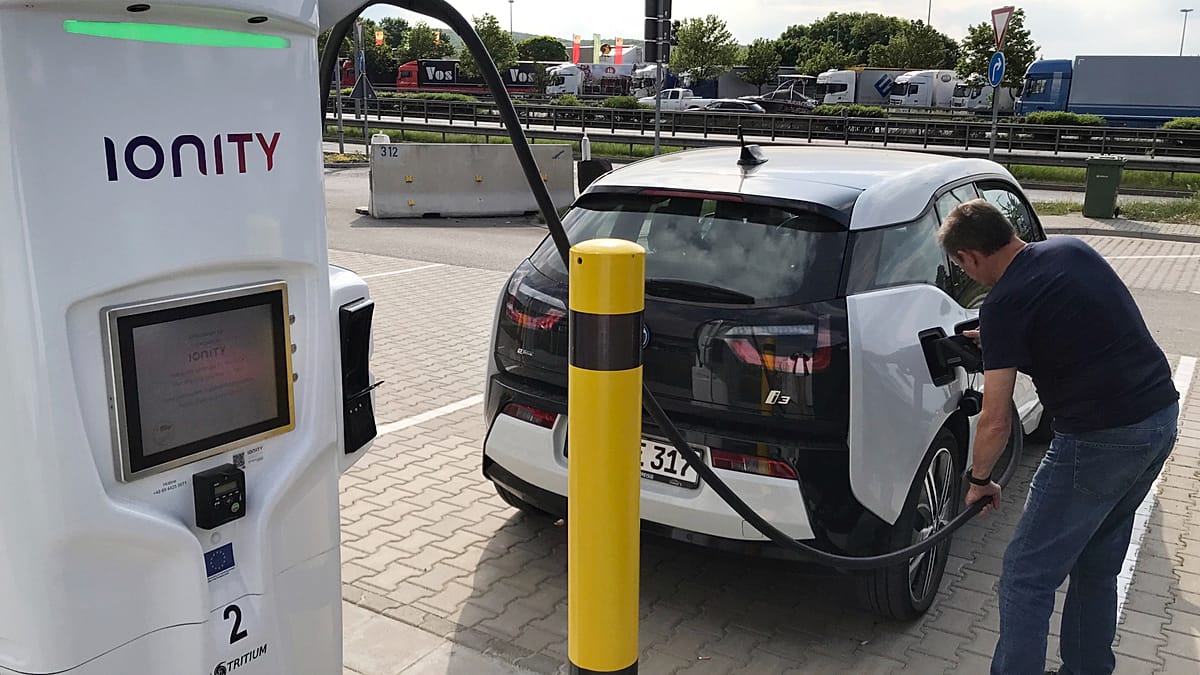
The plan focuses on the three sectors that consume the most fossil fuels: industry, transport, and buildings. For industry, the Commission proposes financial support through revenues from an expanded Emissions Trading System and a new €100 billion “Industrial Decarbonisation Bank,” alongside industrial heat auctions and incentives for waste heat recovery. In transport, it aims to accelerate electric vehicle adoption via tax incentives and expanded charging infrastructure. For buildings, it will examine mandating heat pumps in public buildings by revising public procurement rules.
Geothermal energy is identified as an underutilised resource. The draft states that with an enabling framework, geothermal could cost-effectively meet at least 1% of Europe’s electricity needs and 25% of its heating and cooling demand. Sanjeev Kumar, policy director at the European Geothermal Energy Council (EGEC), called a potential heat pump mandate “great news,” adding: “With electrification, it’s not what you do more so how you do it. Geothermal benefits everyone with cheap, reliable, and abundant local energy. It’s the closest we have to a silver bullet.”
Barriers to Electrification
Brussels acknowledges that while around 70% of EU electricity now comes from domestic clean sources, demand has not kept pace. Electricity remains significantly more expensive than gas in most member states, and high upfront costs discourage households and businesses from switching to heat pumps, solar panels, or energy storage. Grid constraints and connection delays are slowing investment in clean technologies—a challenge the Commission is trying to address by streamlining permits for cross-border renewable energy transport.
The draft warns that unless these barriers are removed, Europe risks falling behind Asian economies, where electrification rates already exceed 30%, compared to the EU’s stagnant 23%. To strengthen infrastructure, the Commission proposes increasing energy storage capacity to 200 GW by 2030, up from around 55 GW in 2026. It also calls for greater investment in district heating and cooling networks, though these decisions largely rest with national and local governments.
Fixing the Price Gap
A key part of the plan is reforming electricity bills to reduce taxes and levies that disproportionately burden electricity prices, and gradually phasing out fossil fuel subsidies. The Commission sets indicative national targets to lower the electricity-to-gas price ratio: households should pay no more than 2.5 times as much for electricity as for an equivalent amount of gas, and industrial consumers no more than twice as much. Currently, only Finland and Sweden meet this benchmark.
The plan also addresses the need for better financing. The Commission is scrambling to secure funding for grid upgrades, which it describes as a trillion-euro challenge. It will propose new industrial heat auctions and incentives for waste heat recovery, alongside the expanded carbon market revenues.
The Electrification Action Plan is part of a broader push to reduce Europe's energy dependence, which has been a priority since the 2022 energy crisis. The draft underscores that electrification is not just about climate goals but about economic sovereignty and industrial competitiveness. As the Commission prepares to publish the final version, the debate over how to balance costs, infrastructure, and national interests will intensify across the twenty-seven member states.