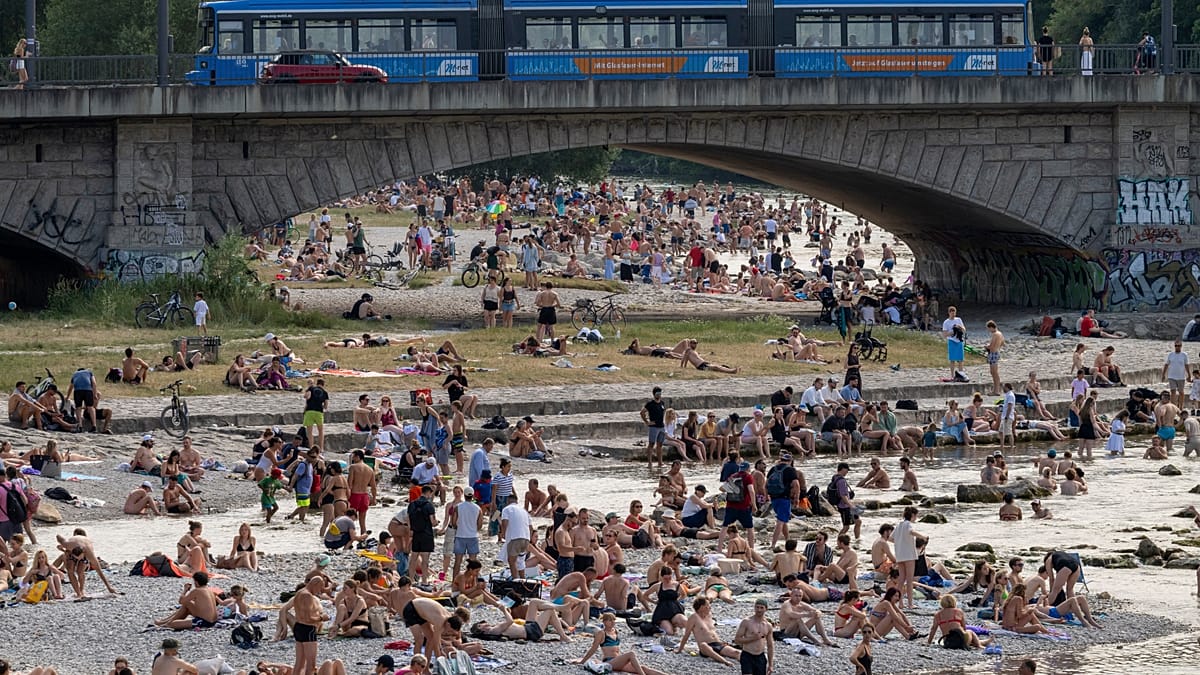
After a brief respite, Germany is preparing for another intense heatwave, with temperatures expected to reach 38°C in some southern regions this weekend. The German Weather Service (DWD) and private forecasters like WetterOnline warn that the heat will be concentrated in the south, while northern areas will see significantly milder conditions.
The European weather model ECMWF predicts a new heat dome over Europe, including southwestern Germany, lasting until at least 14 July. Meteorologists describe this as an omega high—a powerful high-pressure system flanked by low-pressure areas that resembles the Greek letter Ω on weather charts. This pattern traps hot air and prevents cooling fronts from moving in.
Regional Divide: South Swelters, North Stays Cool
In Stuttgart, temperatures will initially hover around 26-29°C but are expected to climb well above 30°C by the weekend. Munich will see the mercury rise past 30°C only on Sunday. The Rhine-Main region, including Frankfurt am Main, faces tropical nights from Saturday evening, with overnight temperatures remaining above 20°C. The US GFS model even forecasts up to 38°C on Sunday in some areas.
By contrast, Hamburg will experience occasional rain and much cooler temperatures, while Berlin, as school holidays begin, will remain noticeably fresher than the south. Along the coasts, the DWD expects highs closer to 20°C.
The dry, gusty winds accompanying the heat have raised wildfire risks in southern Germany, where forests and fields have dried out due to prolonged lack of rain. Brief thunderstorms have provided little relief. This echoes conditions further south in Europe, such as in France, where forest fires are already burning.
Infrastructure and Travel Concerns
The heatwave raises concerns about infrastructure, particularly motorways. During the late June heatwave, concrete on the A2 near Burg in Saxony-Anhalt swelled so badly that the motorway had to be closed for several days for repairs. As summer holidays begin in more federal states—next weekend in Berlin, Brandenburg, and Hamburg—the start of the holiday season on routes heading south could prove challenging for many families.
Forecasters remain uncertain about when thunderstorms with heavy rainfall might bring cooling. Some models suggest that from 15 July, low-pressure systems could spread across central Europe, potentially ending the heat. Reliable forecasts for the next ten days predict high-summer temperatures in southern Germany.
The heatwave has also reignited debates across Europe about the wisdom of equipping every home with air conditioning, given the energy costs and environmental impact. Some cities are exploring alternative cooling methods, such as converting sewers into swimming spots, as reported in Europe's Cities Turn Sewers into Swimming Spots as Heatwaves Intensify. Meanwhile, eco-construction techniques that keep buildings cool are gaining attention, though they come with higher upfront costs, as detailed in Eco-Construction Keeps Buildings Cool During Heatwaves, but Costs More.
As southern and central-eastern Europe bear the brunt of extreme heatwaves, the trend of "coolcation"—seeking cooler destinations in the Alps or northern Europe—is gaining momentum, as explored in Alpine Summer: Europe's Coolcation Trend Gains Momentum as Heatwaves Persist.