Eurozone finance ministers are meeting in Dublin today against a backdrop of surging energy prices, stubborn inflation, and sluggish growth. The informal gathering, chaired by Irish Finance Minister Simon Harris, comes as oil markets react to the closure of the Strait of Hormuz and recent attacks on Saudi Arabia's East-West pipeline, which have been blamed on Iran-backed Houthi rebels.
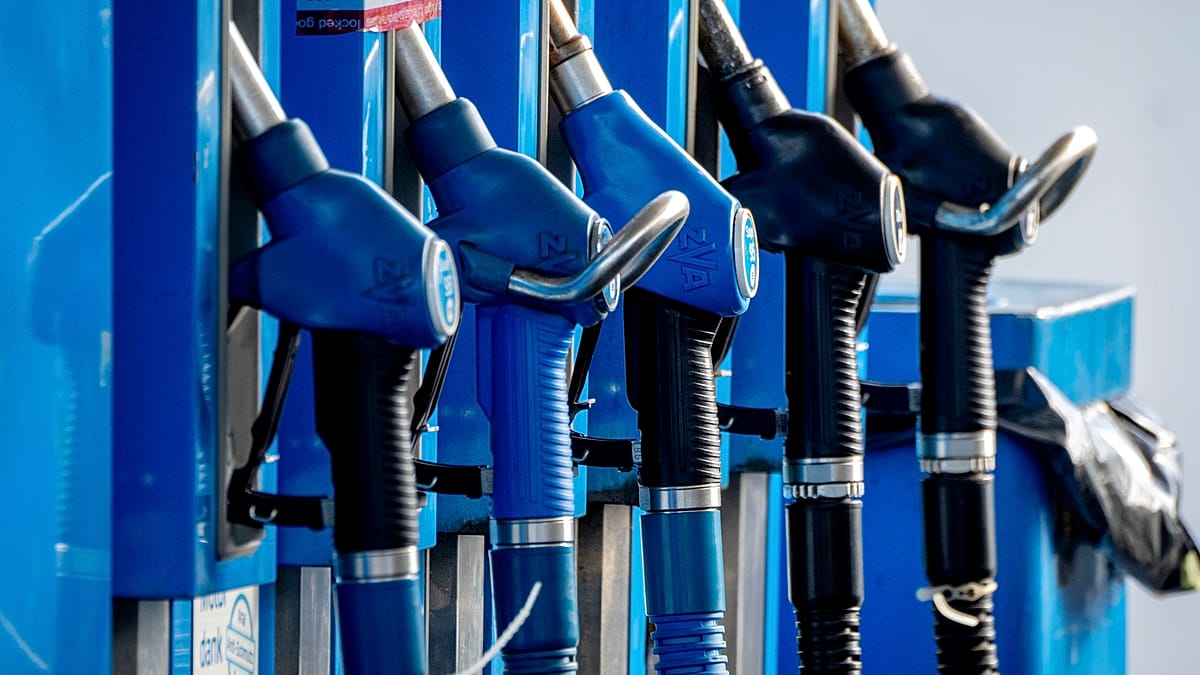
With petrol and diesel costs climbing across the continent, French President Emmanuel Macron has ordered a "mobilisation" to address fuel prices. In Dublin, ministers are expected to weigh a windfall tax on energy companies, a proposal that has gained traction in several capitals as ordinary households struggle to fill their tanks.
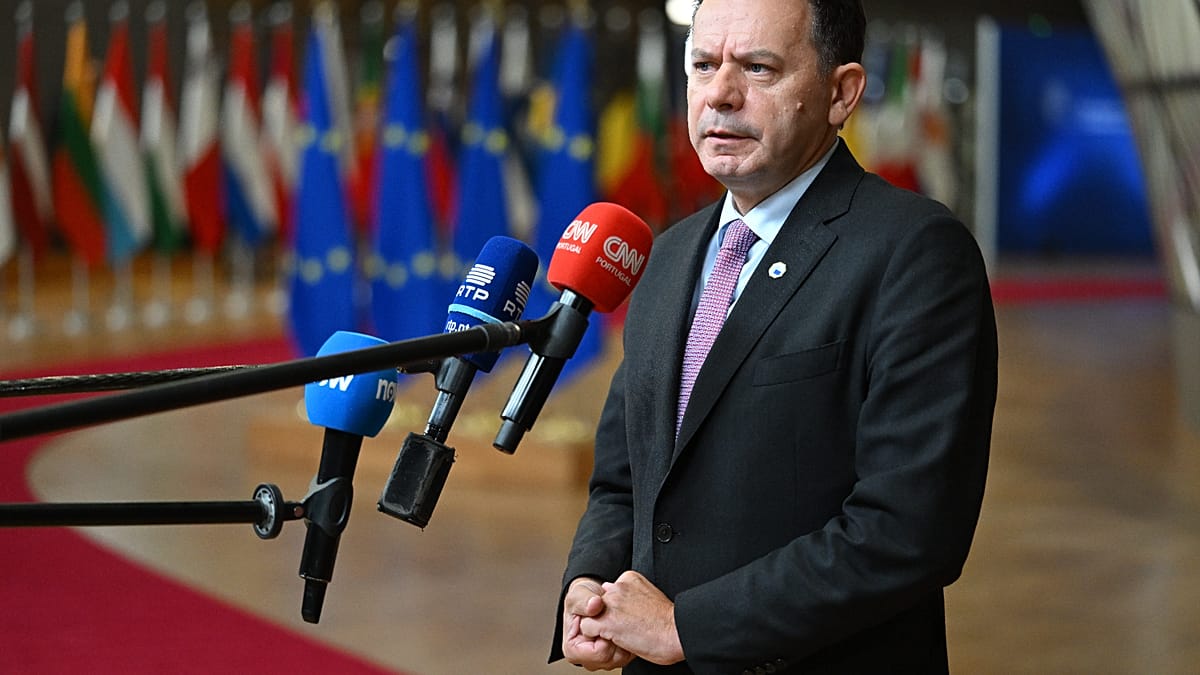
Speaking to our correspondent Shona Murray before the meeting, Harris did not mince words about the profits being posted by energy firms. "Energy companies are making extraordinarily large profits on the back of this energy crisis," he said. "And they're not making those profits on the basis of being more enterprising or being innovative. This isn't about rewarding enterprise. They're making the profits because of the chaos that we're seeing in the energy markets as a result of the Strait of Hormuz being closed."
Harris also pushed back against US President Donald Trump's suggestion that Ukraine's strikes on Russian refineries were the primary driver of high fuel prices. "The reason there's a major energy crisis in the world right now is because the Strait of Hormuz is closed," he insisted.
ECB under the spotlight
The volatility of global bond markets and signs of rising inflation are also high on the agenda. European Central Bank President Christine Lagarde is set to join the discussions, following the institution's decision to raise interest rates on 10 September. The ECB's tightening cycle has been a point of contention, with some member states fearing that higher borrowing costs could choke off the fragile recovery.
All 27 EU finance ministers and central bank governors will hold informal talks today and tomorrow, with counterparts from Canada, the UK, Ukraine, and Switzerland, as well as IMF Managing Director Kristalina Georgieva.
Meanwhile, in Brussels, EU ambassadors are making another attempt to renew the individual sanctions against Russia, which are due to expire next week unless a unanimous agreement is reached. The main stumbling block remains France's demand to remove oligarch Alisher Usmanov from the blacklist, in an apparent bid to secure the release of French citizens detained in Azerbaijan.
The request has created an unprecedented dilemma for the bloc: never before have EU sanctions been tied to a prisoner release. While some diplomats express sympathy for Paris, others question why Azerbaijan would care so much about Usmanov. The vast majority, however, remains opposed to delisting the billionaire. "We need the regime to stand," one diplomat said. "Couldn't this really be solved in another way, without delisting heavy Russian oligarchs?"
Intense consultations are underway between capitals, involving the Irish presidency of the EU Council and the European External Action Service. Slovakia also wants Usmanov removed, though for different reasons. As of now, the contours of a unanimous agreement remain blurred.
In a separate development, the European Commission will disburse €3.3 billion to Ukraine today to procure missiles and drones. Commission President Ursula von der Leyen confirmed the move after talks with President Volodymyr Zelenskyy over Ukraine's budget deficit, which Brussels is still trying to pin down.
The meeting in Dublin comes as the EU and Canada deepen their partnership, a relationship that has been accelerated by the Trump administration's punitive tariffs and annexationist threats. As my colleague Jorge Liboreiro writes, both sides are finding solace in each other's arms after being bruised by Washington.
The energy crunch and the sanctions deadlock are likely to dominate the coming days, with the EU's credibility on the line. As oil tops $108, the pressure on European leaders to deliver concrete solutions has rarely been higher.