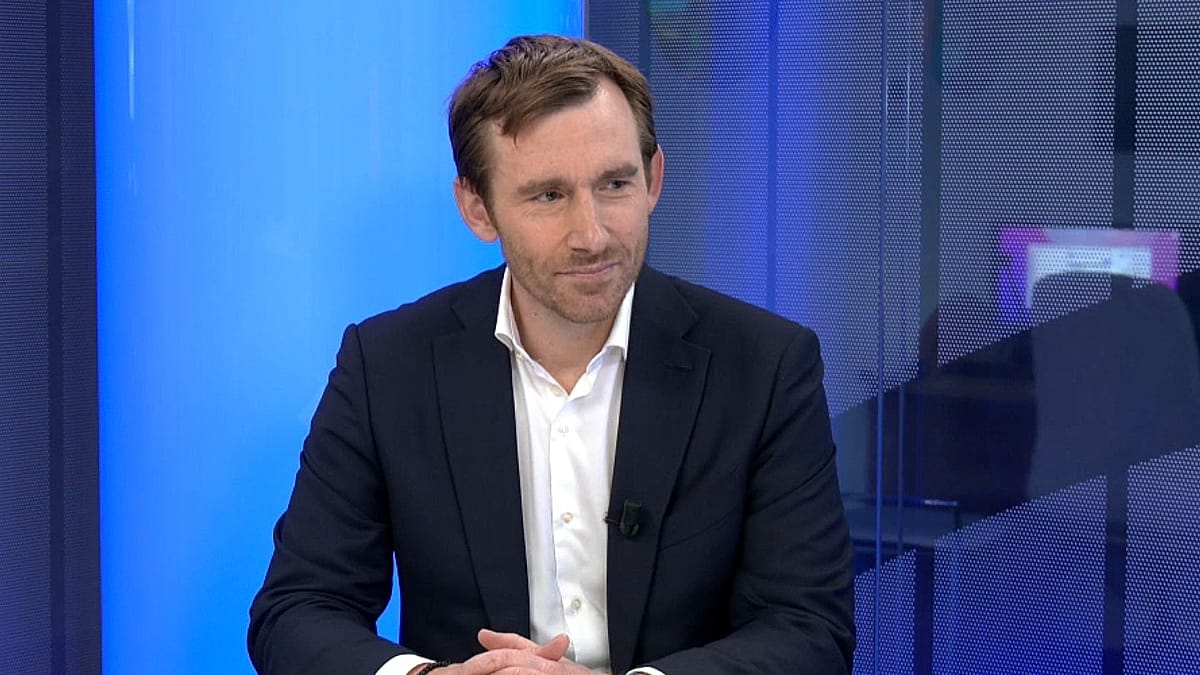
As the war in Ukraine grinds on, a senior voice in the European Parliament is pushing for a tougher line on Russian citizens seeking to enter the European Union. Dirk Gotink, a Dutch MEP from the centre-right European People's Party (EPP), argues that Brussels should stop issuing the full spectrum of visas to Russians while the Kremlin's assault on Ukraine persists.
Speaking to reporters in Strasbourg, Gotink said the EU needed to "go further" in sending a clear signal to Russia's political and economic elite that the invasion is "also their problem." He criticised the ease with which wealthy Russians can continue to enjoy European lifestyles, saying they should not be allowed to "live their lives on European islands drinking margaritas while their political leader is bombing everyday civilians in Ukraine."
The EPP, the largest political group in the European Parliament, has been among the most vocal advocates of isolating Moscow diplomatically and economically. Gotink's comments come amid ongoing debates in EU capitals about how to balance security concerns with the practicalities of visa issuance, particularly for Russians fleeing conscription or seeking family reunification.
An uneven European response
Since Russia's full-scale invasion in February 2022, the EU has suspended its visa facilitation agreement with Moscow, making it harder and more expensive for Russians to obtain short-stay Schengen visas. However, individual member states retain significant discretion, and the bloc has stopped short of a blanket ban. Countries like Estonia, Latvia, and Lithuania have unilaterally restricted entry for most Russian tourists, while others, such as Germany and France, have maintained more permissive policies.
Gotink's proposal would effectively harmonise the approach, closing the loopholes that allow Russians to shop around for the most welcoming consulate. He argues that the continued flow of Russian visitors undermines the EU's moral authority and its support for Ukraine. "Every visa issued to a Russian citizen is a missed opportunity to pressure the Kremlin," he said.
The debate is not new. In September 2022, the European Commission issued guidelines clarifying that border guards could refuse entry to Russians deemed a threat to public order or security. But Gotink believes the EU should go further, and he has called on the European External Action Service to develop a common framework for denying visas to all Russian nationals, with limited exceptions for humanitarian cases.
His remarks echo a broader push within the European Parliament, which has repeatedly called for a full visa ban. In a resolution passed earlier this year, MEPs urged member states to "suspend the issuance of visas to Russian citizens" while the war continues. The European Commission has so far resisted a blanket ban, citing legal and practical concerns, but the political pressure is mounting.
Gotink's stance also aligns with the EU's recent moves to tighten sanctions and advance Ukraine's accession talks, a process that underscores the bloc's commitment to Kyiv's future. He argued that allowing Russians to travel freely across Europe while Ukraine fights for its survival sends the wrong message.
Critics of a full ban point out that it would punish ordinary Russians who oppose the war and may be seeking to escape repression. They also note that many Russians who enter the EU are not oligarchs but students, researchers, or family members of EU citizens. Gotink acknowledges these concerns but insists that the broader strategic goal outweighs them.
"We are not talking about banning all Russians forever," he said. "We are talking about a temporary measure, as long as Putin's bombs are falling on Ukrainian cities. The message must be clear: you cannot enjoy the benefits of Europe while your government is committing war crimes."
The proposal has drawn mixed reactions from EU governments. Some, particularly in the Baltics and Poland, have expressed support, while others worry about the impact on diplomatic relations and the risk of alienating Russian civil society. The issue is likely to be discussed at the next meeting of EU foreign ministers, where broader questions of Ukraine support and energy policy are also on the agenda.
Meanwhile, the EU's top diplomat, Kaja Kallas, has been a vocal advocate of maintaining pressure on Moscow. She recently defended Ukraine's right to strike Russian oil refineries, calling it legitimate self-defence. Gotink's visa proposal fits into this wider strategy of using every available lever to weaken Russia's war machine.
For now, the EU's visa policy remains a patchwork of national decisions. But as the war enters its third year, the pressure is growing for a more unified and assertive stance. Gotink's message is simple: while Ukraine suffers, Russians should not be sipping cocktails on the Côte d'Azur or strolling through the streets of Vienna.