For the first time, European Union leaders dedicated a summit discussion to the challenges posed by the continent's booming drug trade, signaling a shift in how Brussels views the nexus of organized crime, public health, and security. The meeting on Friday in Brussels produced a call for a more coordinated, evidence-based approach that spans national borders and involves multiple levels of government.
The illicit drug market in Europe is now estimated to be worth €31 billion, according to EU data, with new psychoactive substances proliferating and supply chains increasingly relying on encrypted messaging apps and online marketplaces. The scale of the problem has prompted leaders to move beyond fragmented national responses.
A Call for Cross-Border Cooperation
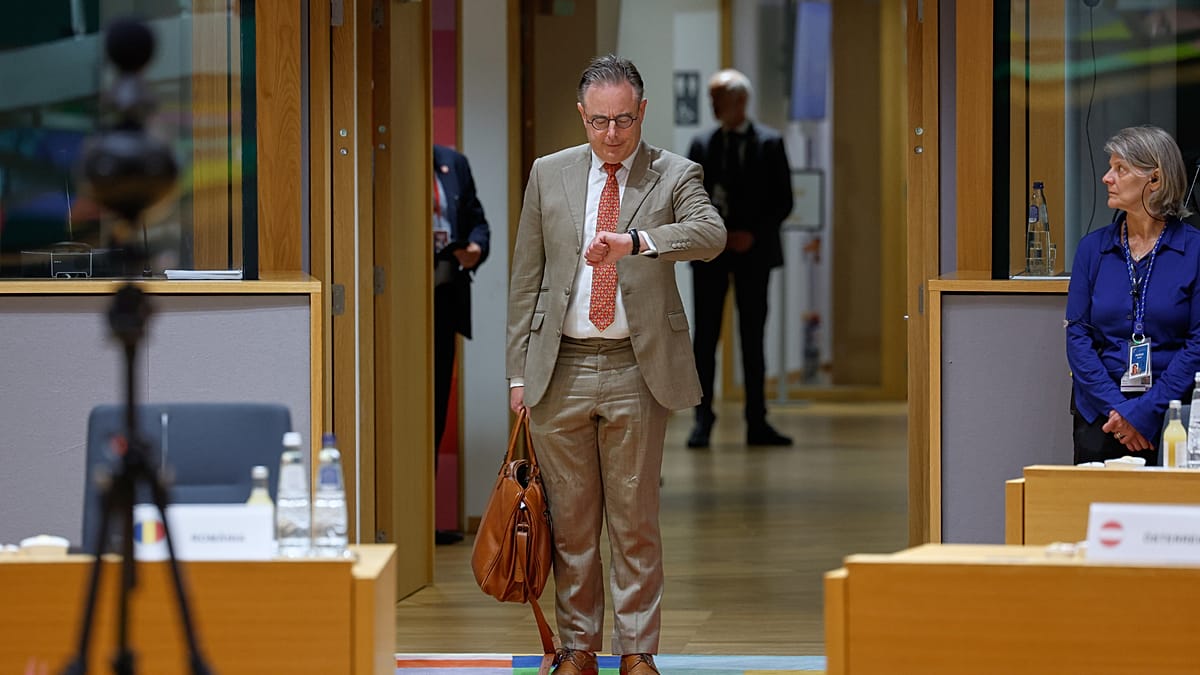
Bart De Wever, Belgium's Prime Minister, underscored the urgency from the perspective of a country that hosts one of Europe's largest ports. "As the home of one of the biggest ports in Europe, my country has gained a simple but central knowledge: organised crime knows no boundaries," De Wever told reporters after the summit. "Therefore, our answer to this threat must not end at the borders."
The summit conclusions emphasized the need for a "comprehensive, whole-of-government and whole-of-society approach based on evidence," with coordinated efforts across local, regional, national, and EU levels. This includes enhancing preparedness, protecting public health, strengthening security, and preventing drug-related harm.
EU leaders also highlighted the importance of fostering partnerships such as the European Coalition Against Drugs and improving law enforcement cooperation with third countries. The discussion comes as EU home affairs ministers earlier this month agreed on how to implement the bloc's drugs strategy for 2026 to 2030.
The growing drug trade has become a pressing issue for many member states, particularly those with major ports like Antwerp, Rotterdam, and Hamburg, which have become entry points for cocaine and other narcotics. The problem has also been linked to violence in cities such as Marseille and Brussels, where turf wars have led to shootings and intimidation.
While the summit did not produce new legislation, the political signal is significant. It marks a recognition that the drug trade is not merely a law enforcement issue but one that intersects with public health, economic stability, and even foreign policy. The EU's approach will likely involve closer cooperation with Latin American countries, where much of the cocaine originates, and with West African nations that serve as transit hubs.
The debate also touched on the need to balance repressive measures with harm reduction strategies, a point of contention among member states with differing drug policies. Some countries, like Portugal and the Netherlands, have experimented with decriminalization and regulated markets, while others, such as Sweden and Poland, maintain strict prohibitionist stances.
As the EU prepares for the next budget cycle, the drug trade's impact on security and public health will likely factor into discussions on funding for border control, police cooperation, and prevention programs. The summit's outcome suggests that the issue will remain high on the agenda for the European Commission and member states in the coming years.