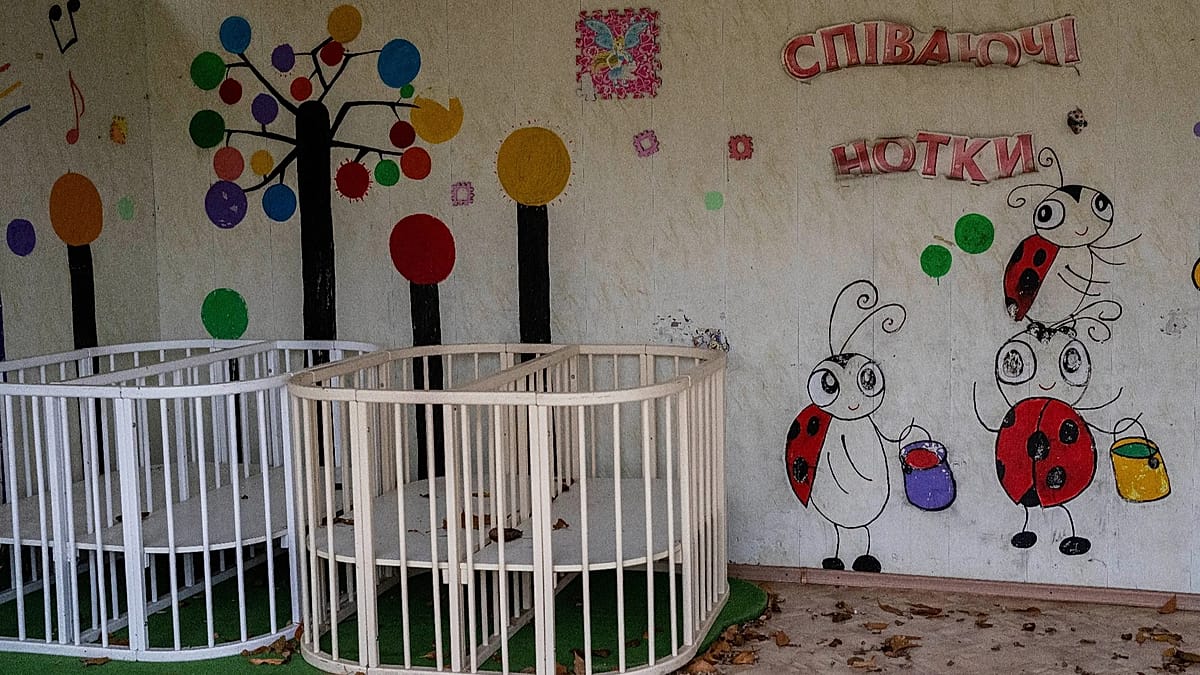
The European Union is moving to impose fresh sanctions on 27 Russian individuals and organisations implicated in the systematic deportation and re-education of Ukrainian children from occupied territories. The proposal, presented by the bloc's diplomatic service on Wednesday, was reviewed by EU ambassadors at their first meeting after the summer break and is expected to be formally adopted before the end of the month.
This is not the first time Brussels has targeted those responsible for what it calls Russia's illegal mass abduction of minors. Previous sanctions packages have already included individual listings, and in May EU member states blacklisted 16 people and seven entities to coincide with a high-level meeting of the International Coalition for the Return of Ukrainian Children. A follow-up conference is scheduled for 28-29 September in Toronto, Canada, where the issue is expected to dominate discussions.
The new listings are part of a broader shift in EU sanctions policy, moving away from large, sector-wide packages toward more targeted measures. The European External Action Service (EEAS) has also circulated to member states a list of 1,600 individuals and entities that directly contribute to Russia's war effort, signalling a more surgical approach to blacklisting.
Legal scrutiny and verification challenges
Before the sanctions can be adopted, further technical work is required. Legal checks are essential to ensure the listings are robust enough to withstand potential challenges in court, a lesson learned from previous litigation against EU sanctions. The aim is to build airtight cases that cannot be easily overturned by the European Court of Justice.
The scale of the deportations remains difficult to pin down. Ukraine has verified the removal of more than 20,500 children to Russia, but the Yale Humanitarian Research Lab estimates the figure could be closer to 35,000. Moscow has even suggested the number might be as high as 700,000, though that claim is widely dismissed. The US-based Institute for the Study of War (ISW) notes that the true number is almost impossible to verify independently.
Reports have emerged of Russian-installed occupation authorities in Ukrainian regions creating an online catalogue of Ukrainian children, offering them for coerced adoption through education departments. The minors are sorted and categorised by age, gender, and physical characteristics such as eye and hair colour, with some described as “obedient” or “calm” – a practice that has drawn international condemnation.
For Ukraine, the process of returning a single child from Russia can take years, from initial identification to the actual return. Almost every successful return so far has been mediated by a third state, notably Qatar, South Africa, and the Vatican. The upcoming Toronto conference aims to strengthen international cooperation on this front.
The EU's move comes amid heightened tensions over Russian hybrid attacks across the continent. As Germany blames the Kremlin for a drone incident in Leipzig, Brussels is also preparing a broader response to Russian aggression. Commission President Ursula von der Leyen has vowed an EU response to Russian hybrid attacks ahead of NATO talks, while an expert panel is being assembled to close defence gaps.
The sanctions on child deportation are a moral imperative, but they also serve as a warning that Russia's actions in Ukraine will have consequences. As the EU tightens its grip, the international community is watching closely to see whether the Toronto conference can translate words into action for the thousands of children still missing.