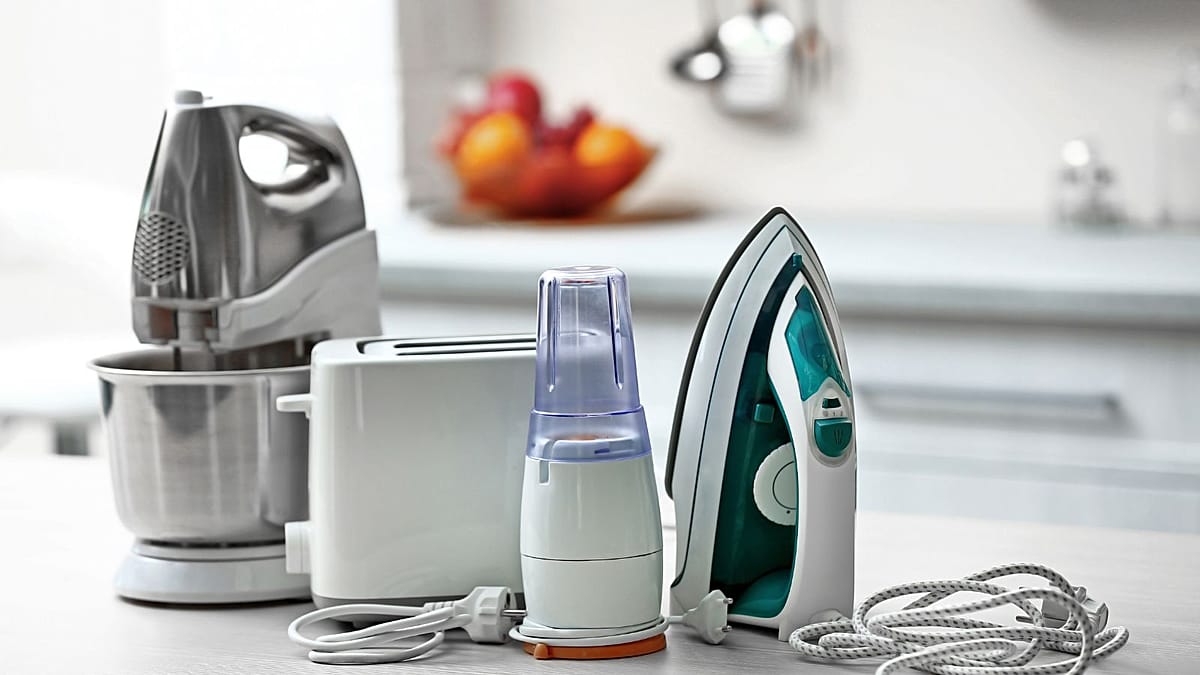
When a toaster dies or a vacuum cleaner gives up, most Europeans simply throw it away and buy a new one. That convenience, however, comes at a steep cost: an estimated €12 billion a year across the EU. But new rules from Brussels aim to change that by making repair the default option.
Why repair matters
According to Eurostat, prematurely discarded consumer goods generate nearly 35 million tonnes of waste annually across the Union. Yet a Eurobarometer survey found that 77% of Europeans would rather repair their appliances than replace them. The problem has been that professional repairs are often expensive, and manufacturers have made spare parts difficult to obtain.
The EU's response is the Right to Repair Directive, paired with a set of Ecodesign regulations. These laws are designed to break the cycle of planned obsolescence and encourage a more sustainable approach to consumer electronics and household goods.
What the new rules require
Manufacturers will have to design products with standard screws instead of glue, so that consumers can easily open them with basic tools. The legislation also bans software locks that some companies use to block independent technicians from performing repairs.
Companies will be obliged to supply repair services, affordable spare parts, and repair manuals for up to 10 years after a product's warranty expires. If a repair takes too long, consumers will be entitled to a temporary replacement device. Moreover, any appliance repaired during its initial warranty period will automatically receive a 12-month warranty extension.
These measures could translate into significant savings. For example, replacing a broken refrigerator can cost several hundred euros, while a simple repair might cost a fraction of that. The new rules aim to make repair a more attractive and accessible option for households across the continent.
The directive is part of a broader European push towards a circular economy, where products are kept in use for as long as possible. Similar initiatives are already underway in countries like France, which has introduced a repairability index for electronics, and Germany, where repair cafes have gained popularity.
However, some critics argue that the rules do not go far enough. They point out that the directive does not mandate a specific repairability score or require manufacturers to offer repair services directly. Others worry that the 10-year parts availability may be too short for large appliances like washing machines, which often last longer.
Despite these concerns, the EU is pressing ahead. The regulations are expected to come into force in the coming years, giving manufacturers time to adapt their designs. For consumers, the message is clear: help is on the way, and it could save you hundreds of euros.
As Europe grapples with rising living costs and environmental pressures, the Right to Repair Directive represents a practical step towards a more sustainable and consumer-friendly future. Whether it will fully deliver on its promise remains to be seen, but the direction is unmistakable.