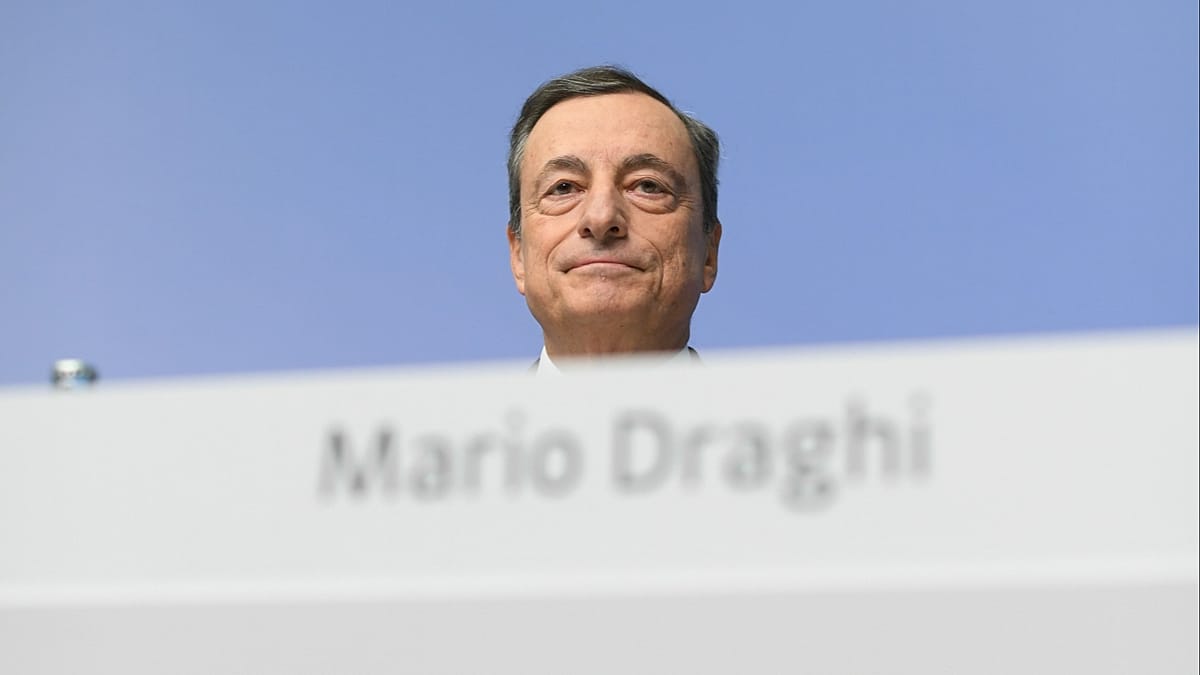
Two years after Mario Draghi presented his landmark blueprint for European competitiveness, the European Union has fully implemented none of its 30 key policy recommendations, according to a new report published on Wednesday by the Joint European Disruptive Initiative (JEDI). The so-called JEDI Draghi Tracker, which monitors execution rather than intentions, found that only 30% of the reforms are making serious progress.
"Progress is real, but it is not in sync with the pace of the world," the authors wrote in a press statement, criticising the bloc for moving too slowly on legislation. The report comes as the EU faces intensifying competition from the United States and China in strategic sectors such as artificial intelligence, defence, and clean technology.
Draghi's vision, slow delivery
In September 2024, Draghi, the former Italian prime minister and former European Central Bank president, presented his long-awaited report in Brussels. It called for sweeping reforms to boost investment in strategic sectors, streamline regulation, and reduce the bloc's strategic dependencies. The European Commission and member states welcomed the report, declaring competitiveness the priority of the current mandate.
Yet the legislative follow-through has been uneven. "Zero of the thirty key policies has been fully executed. And only 30% of recommendations are seriously making progress," the report states, adding that the tracker does not score announcements but only concrete implementation.
André Loesekrug-Pietri, scientific director of JEDI, said: "Two years after publication of this existential report, not a single Draghi key recommendation is fully executed, while a third of the agenda would cost nothing but political courage."
Uneven progress across sectors
The report identifies a pattern: the EU tends to move faster when it feels threatened. Energy and raw materials lead with 35% implementation, followed by finance and investment at 25%, and defence, space, and AI at 25%. Research and skills lag at 21%, while health and life sciences score just 13%—despite the COVID-19 pandemic having exposed the bloc's vulnerabilities in that area.
The slow pace is particularly concerning given that heads of state approved a reform guideline in March 2026 requiring key reforms to be adopted by the end of the year. With only months left, the window for action is narrowing.
The report's findings echo broader concerns about the EU's ability to act decisively. In a related development, Moldova's reform pace is straining EU Commission resources, highlighting the administrative bottlenecks that can accompany enlargement and reform processes.
Some observers argue that the EU's institutional design—with its complex legislative procedures and consensus-based decision-making—makes rapid change difficult. Others point to a lack of political will, particularly on issues that require member states to cede sovereignty or reallocate budgets.
The JEDI report suggests that the EU's reactive approach is insufficient. "The bloc tends to move faster when it feels threatened," the authors note, but they argue that waiting for a crisis is not a viable strategy in a world where competitors are moving at full speed.
As the EU grapples with these challenges, the clock is ticking. The March 2026 guideline sets a clear deadline, but with no key recommendation fully executed, the gap between ambition and delivery remains wide. The question now is whether the EU can translate its stated priorities into tangible action before the year ends—or whether the Draghi agenda will remain a paper exercise.