As the summer travel season reaches its peak, the European Union's ambitious new border control system is creating chaos at airports across the continent. The Entry/Exit System (EES), which requires non-EU passport holders to provide biometric data—facial scans and fingerprints—upon arrival, was designed to enhance security and track overstayers. Instead, it is causing hours-long queues, frustrating travellers and threatening the tourism industry.
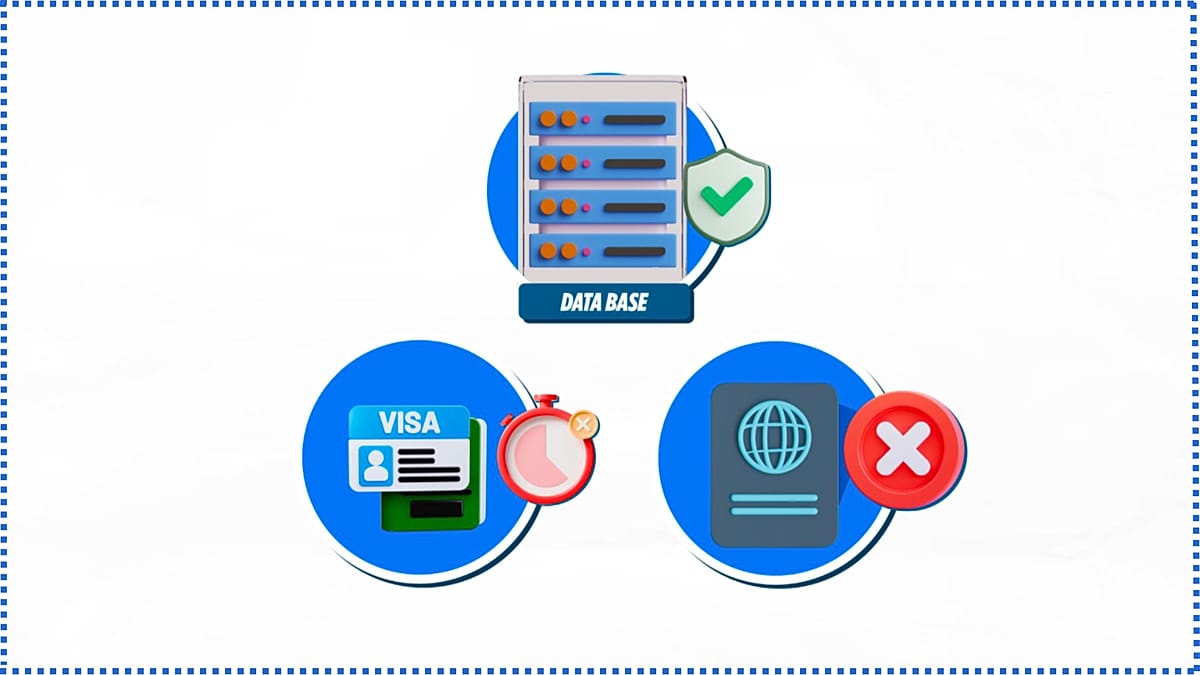
The system is now operational in 29 European countries, including all Schengen Area members plus Bulgaria, Romania, and Cyprus. Since its rollout, it has flagged 40,000 border refusals and identified 1,000 security risks, according to European Commission data. Brussels officials tout these numbers as proof that the database works, instantly catching visa overstayers and fake documents. But on the ground, the reality is far messier.
Operational Crisis at Border Control
Industry lobbies report that waiting times at border control have reached up to five hours during peak periods. The European Travel Commission warns that these delays put 41 million arrivals and €45 billion in tourist spending at risk. This bottleneck comes just as European hubs prepare to handle 40 million more passengers than they did in May and June.
The problem is not the technology itself but its implementation. National capitals have failed to prepare adequately. Many airports lack sufficient border guards, digital kiosks, and basic infrastructure. The rollout is a fragmented mess: some member states bought the necessary equipment, while others struggled to do so. The result is a patchwork of readiness that leaves travellers stranded.
Worst of all, the system forces guards to collect fingerprints from every first-time arrival, creating an instant dead-stop at the gate. Unlike automated passport gates for EU citizens, which process travellers in seconds, the EES requires manual biometric collection for each non-EU passport holder. This slows down the entire process, especially at major hubs like Frankfurt, Paris-Charles de Gaulle, and Amsterdam Schiphol.
Two-Year Stabilisation Forecast
The European border agency Frontex admits that the chaotic biometric registration could take up to two years to stabilise. In the meantime, travellers should brace for delays. As one industry insider put it, you now have roughly 700 days to practice your queuing technique—and enough time to learn a local language.
For those planning a trip to Europe this summer, the advice is simple: arrive at the airport early, have your documents ready, and be patient. The system is not going away, but it may improve over time. In the meantime, consider exploring less crowded destinations or travelling during off-peak hours. For example, Stockholm in summer offers archipelago sunsets, fika, and wild swimming, but even there, border queues can be long.
The EES is a classic example of a well-intentioned policy that stumbled in execution. While it aims to make Europe's borders smarter, it has instead created a premium queuing experience for millions of visitors. As the summer heatwave hits southern Europe—Spain braces for a second summer heatwave with temperatures up to 44°C—the last thing travellers need is to stand in line for hours.
For now, the message from Brussels is clear: the system is here to stay, and it will take time to iron out the kinks. Until then, pack a book, bring water, and prepare for a long wait at the border.