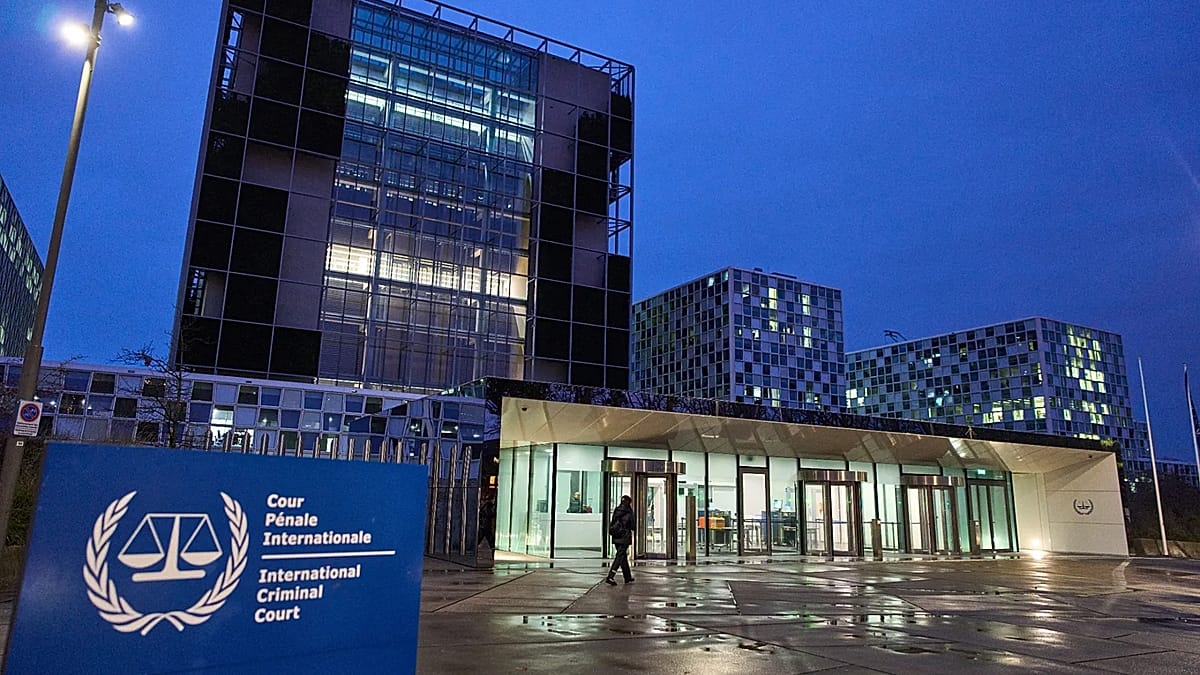
The president of the International Criminal Court, Tomoko Akane, has warned that the latest American sanctions against her could signal the collapse of the international legal order. In her first public remarks since the measures were imposed, the Japanese judge said she had partly expected the move but stressed that the broader consequences mattered more than her own situation.
“The sanction against me this time was something I had anticipated to an extent, so I'm not surprised,” Akane said in a statement released through her publisher, Bungei Shunju. “The important thing is not to let this be the beginning of the demise of international rule of law.”
The United States sanctioned Akane and Abdoulaye Seye, a Senegalese trial lawyer at the court, on Tuesday. The Trump administration has long accused the ICC of being a “corrupt and fatally politicised” body, and the sanctions bar both officials from entering the US and from using the American financial system.
US accusations and the ICC's response
US Secretary of State Marco Rubio justified the sanctions by claiming that Akane and Seye had “directly” engaged in efforts by the ICC to investigate, arrest, detain, or prosecute officials from countries that have not consented to the court's jurisdiction. Washington has repeatedly accused the ICC of “politicised actions” and of “targeting Israel,” particularly after the court issued an arrest warrant for Israeli Prime Minister Benjamin Netanyahu in November 2024 over the war in Gaza.
Neither Israel nor the United States is a member of the ICC, but Palestine has been a member since 2015, which gives the court jurisdiction over crimes allegedly committed on Palestinian territory. The ICC itself responded on Wednesday, calling the sanctions a “flagrant attack” on its independence and its ability to carry out its mandate.
European backing for the court
The European Union has rallied behind the ICC. In a joint statement, European Commission President Ursula von der Leyen and European Council President António Costa said the court “helps deliver justice to the victims of some of the world’s most horrific crimes.” They added that its judges and officials “must be able to act independently and without external pressure.”
The Netherlands, which hosts the court in The Hague, was particularly outspoken. Foreign Minister Tom Berendsen said his government “disapproves” of the sanctions. A German government spokesperson also expressed Berlin's support, noting that the court “has held accountable those guilty of the gravest crimes” and is “fulfilling its mandate exactly as intended.”
The sanctions come at a time when the ICC is handling several high-profile cases, including investigations related to Ukraine and the Middle East. The court's supporters argue that undermining its work could have far-reaching consequences for accountability worldwide. As EU backing for the ICC grows, the question remains whether other nations will follow suit or whether the US pressure will erode the court's authority.
Akane's warning echoes concerns raised by legal experts and human rights groups, who see the sanctions as an attempt to intimidate the court and deter it from pursuing cases against US allies. The ICC has faced similar threats before, but this is the first time its president has been personally targeted.
The court's work in Ukraine, where it has issued arrest warrants for Russian officials, has been widely praised by European governments. However, the US has been critical of the ICC's focus on Israel, arguing that the court oversteps its mandate. The tension highlights the growing divide between Washington and The Hague over the role of international justice.
As the dispute escalates, European leaders are likely to continue defending the ICC, viewing it as a cornerstone of the rules-based international order. Whether the sanctions will have a lasting impact on the court's operations remains to be seen, but Akane's warning serves as a stark reminder of the stakes involved.