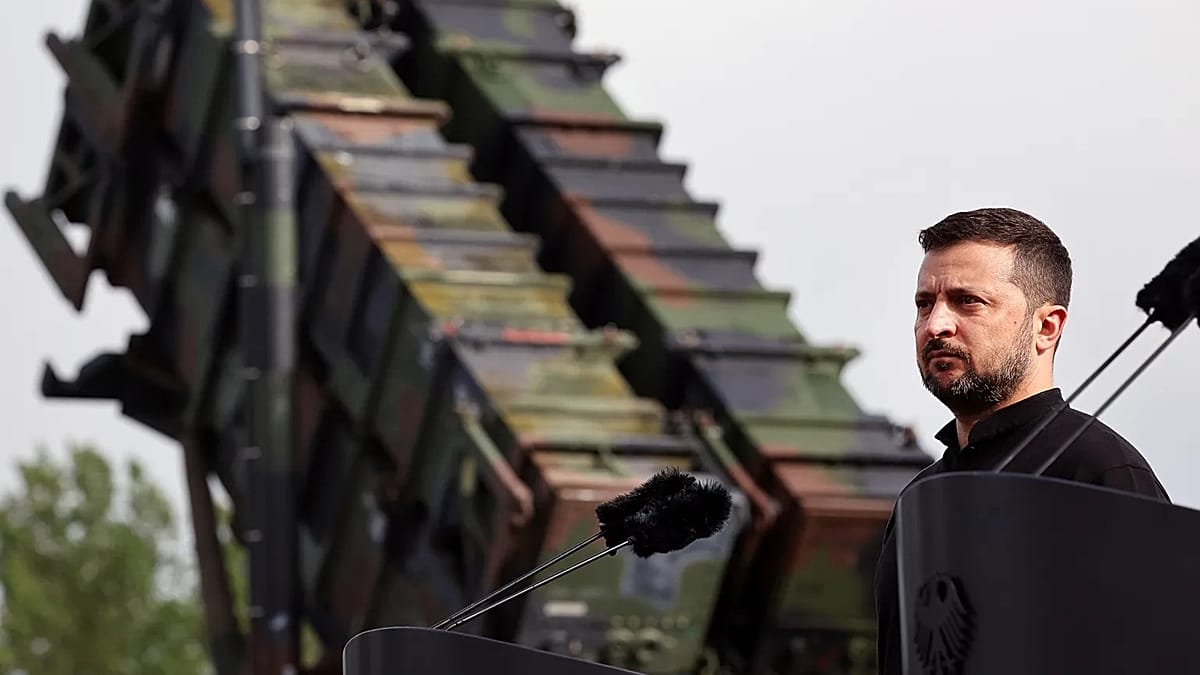
Officials in Kyiv have suggested that the next portion of the European Union's €90 billion loan for Ukraine could be used to acquire anti-ballistic missile capabilities, according to a European Commission official familiar with the talks. The proposal, which also includes missiles and drones, is expected to be formalised before September, though no specific product list has been agreed.
The official, speaking on condition of anonymity, could not confirm whether Kyiv would opt for the American-made Patriot system or the Franco-Italian SAMP/T NG ground-to-air missile system, as discussions are still underway. The choice carries significant political and industrial implications for Europe's defence sector.
Deadly Russian strikes prompt urgent calls
The news comes as European Commission President Ursula von der Leyen condemned a Russian attack on Ukraine overnight Wednesday that killed at least 16 people and wounded 33. In a statement on X, she said: “Russia is losing the war it started. And it is retaliating by targeting civilians and civilian infrastructure. We are working with Member States and our partners to support Ukraine’s anti-ballistic capabilities. So that Ukraine has the means to prevent the loss of lives.”
The urgency is underscored by recent drone attacks, including a strike on a minibus in Kherson that killed four people and warnings from the UN that Russian drones are crippling humanitarian operations.
European versus American suppliers
The potential procurement has reopened a debate among EU member states. France and others argue that EU funds should be used to purchase European-made equipment to bolster the continent's defence industrial base. Others, particularly Nordic and Baltic states, advocate for maximum flexibility so Ukraine can buy whatever it needs immediately.
In a letter published in July, defence ministers from Finland, Sweden, Lithuania, Denmark, Poland, Estonia and Latvia wrote: “Ukraine's urgent needs should be front and centre.” They called for greater flexibility in how the financial assistance is spent.
Ukrainian President Volodymyr Zelenskyy has repeatedly urged Washington to release more Patriot interceptors to help his forces survive the winter and “save people's lives”. However, in July he announced that Ukraine would become the first “combat user” of the SAMP/T NG system, with orders planned through the 2026 and 2027 tranches of the loan, with deliveries expected “as soon as possible” from next year.
Made in Europe provision
Of the €90 billion total, €60 billion is earmarked for defence, with the remainder supporting Ukraine's national budget. For 2026, €28.3 billion has been allocated to bolster Ukraine's defence industrial capacities, some of which has already been disbursed.
The loan includes a 'Made in Europe' clause designed to channel as much funding as possible to producers in Ukraine, the EU, and the EEA-EFTA area. Third-country access is possible but limited. Brussels can grant a defence derogation if Kyiv wishes to buy non-European systems, such as the Patriot. Similar exemptions have been granted previously for drone equipment.
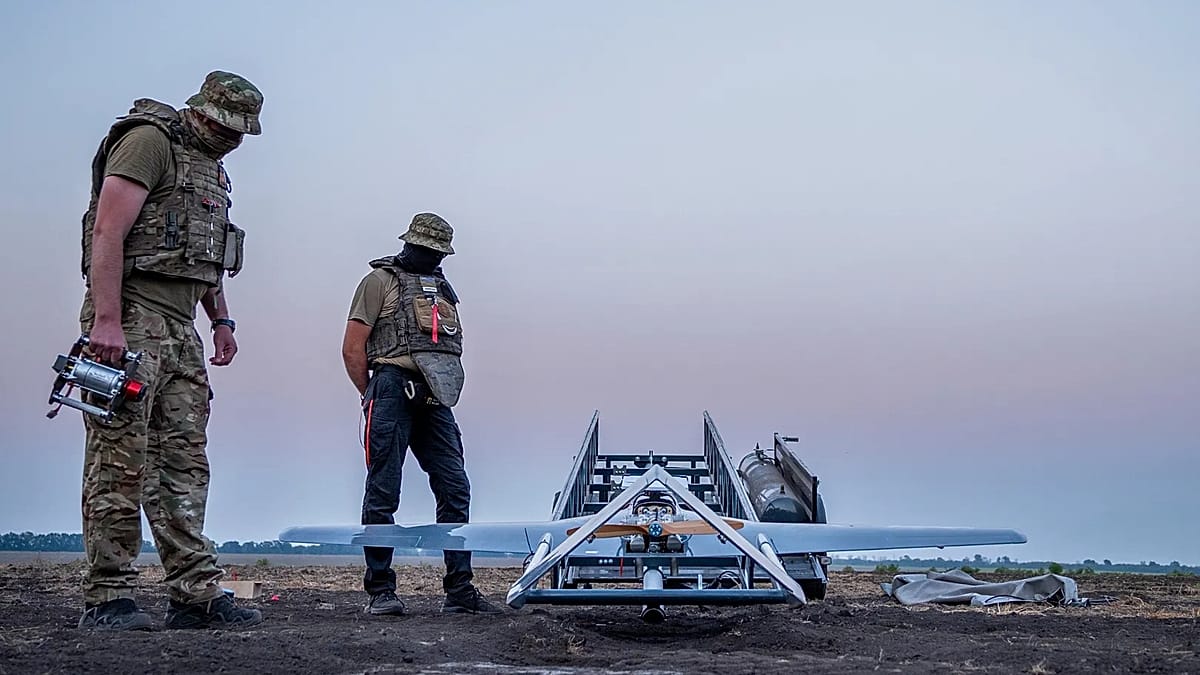
The debate over procurement is not just about immediate military needs but also about the long-term structure of Europe's defence industry. As Russia's Banderol drone strains Ukraine's air defence economics, the choice of system will have lasting consequences for both Ukraine's security and Europe's strategic autonomy.