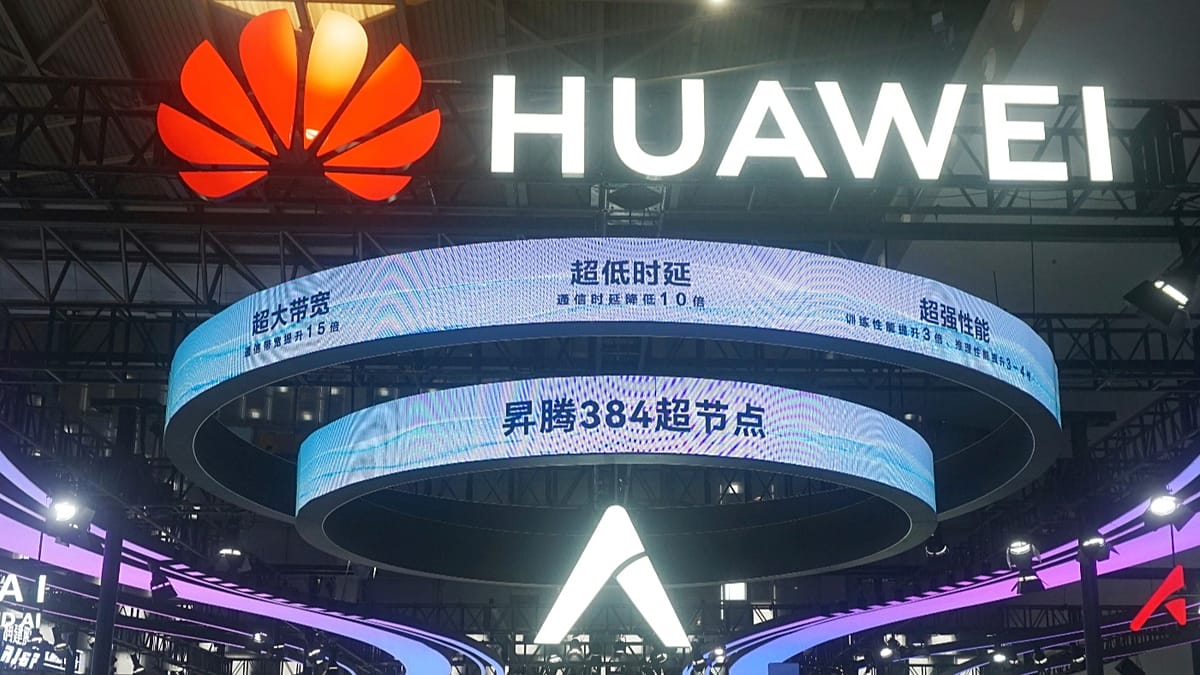
Seventeen chief executives from Europe's largest telecoms operators have publicly pushed back against European Union plans to ban Chinese equipment makers such as Huawei and ZTE from the bloc's networks, warning that the move could saddle the industry with up to €40 billion in replacement costs at a time when operators are already stretched.
The warning came in an open letter from Connect Europe, the industry lobby group, addressed to EU policymakers. The letter argues that the proposed Cybersecurity Act, part of the Digital Networks Act unveiled in January, "risks draining the sector of the very capital needed for fibre, 5G and 6G" infrastructure. Signatories include the chief executives of Orange (France), Deutsche Telekom (Germany) and Telefónica (Spain).
The Digital Networks Act does not name Chinese companies directly, but it introduces a mechanism to designate suppliers as "high risk" on cybersecurity grounds. Once a supplier is classified as such, operators would have a three-year window to strip its equipment from their networks. The proposal is now being negotiated between the European Parliament and the governments of the EU's 27 member states.
The push reflects a broader cooling of trade relations between Brussels and Beijing, and follows a 2023 European Commission recommendation urging member states to remove Huawei and ZTE from their mobile networks. That appeal produced patchy results: as of a few years ago, only ten EU countries had actually excluded Chinese hardware makers, even though almost all had put regulatory frameworks in place.
Uneven enforcement across the continent
Enforcement has varied sharply. Sweden was among the earliest and firmest movers, with its telecoms regulator banning Huawei and ZTE equipment from 5G networks ahead of a spectrum auction — a decision later upheld by an appeals court. France took a softer, phased approach, declining to renew operators' licences for Huawei gear as they expire, effectively easing the company out over time. Romania and Estonia passed legislation in 2021 that in practice barred Chinese vendors from their networks.
Outside the EU, the United Kingdom went further, ordering Huawei equipment to be purged from its 5G network entirely. Denmark also introduced investment-screening powers partly in response to security concerns over a Huawei bid. Germany, the bloc's largest economy, has moved more cautiously, agreeing with its major operators to remove Huawei and ZTE components from 5G core networks by the end of 2026, with broader access and transport-network components to follow by 2029 — a timeline critics say still leaves the country exposed for years to come.
The industry's pushback comes as European capitals also grapple with other security challenges, including Russian hybrid sabotage and threats to defense industries. Some policymakers argue that excluding Chinese equipment is a necessary part of a broader digital sovereignty agenda, while operators counter that the costs are disproportionate and could delay the rollout of next-generation networks.
The Connect Europe letter stops short of naming China, but the signatories estimate that a blanket ban on suppliers from outside the EU could cost the industry as much as €40 billion. They argue that such a sum would be better spent on expanding fibre coverage and deploying 5G and 6G infrastructure, which are central to the EU's digital decade targets.
The debate is likely to intensify as the Digital Networks Act moves through the legislative process. The European Parliament and member states are expected to scrutinise the high-risk designation criteria and the transition periods. Some MEPs have called for a tougher stance, while others have echoed the industry's concerns about costs and feasibility.
For now, the industry's united front — with CEOs from France, Germany, Spain and other countries signing the letter — signals that the battle over Huawei's future in Europe is far from over. The outcome will shape not only the telecoms landscape but also the EU's broader approach to managing its relationship with China in a period of heightened geopolitical tension.