At last week's Justice and Home Affairs Council in Brussels, EU interior ministers and Commissioner Marcus Brunner agreed to tighten migration rules, placing a new emphasis on stricter border controls and faster returns. The decisions echo priorities raised at the Munich Migration Conference on 26 September, where several member states called for a more robust approach to irregular migration.
European Return Order and mutual recognition
A central element of the agreement is the introduction of a European Return Order, a standardized form that national authorities will use to record the key elements of a return decision. The aim is to give authorities in other member states the information they need to recognize and act on return decisions issued elsewhere in the EU.
For now, mutual recognition of these decisions remains voluntary. However, the arrangement will be reassessed three years after the new rules come into force. At that point, the European Commission could table a legislative proposal to make mutual recognition mandatory, a move that would significantly streamline the return process across the bloc.
Emergency response and return hubs
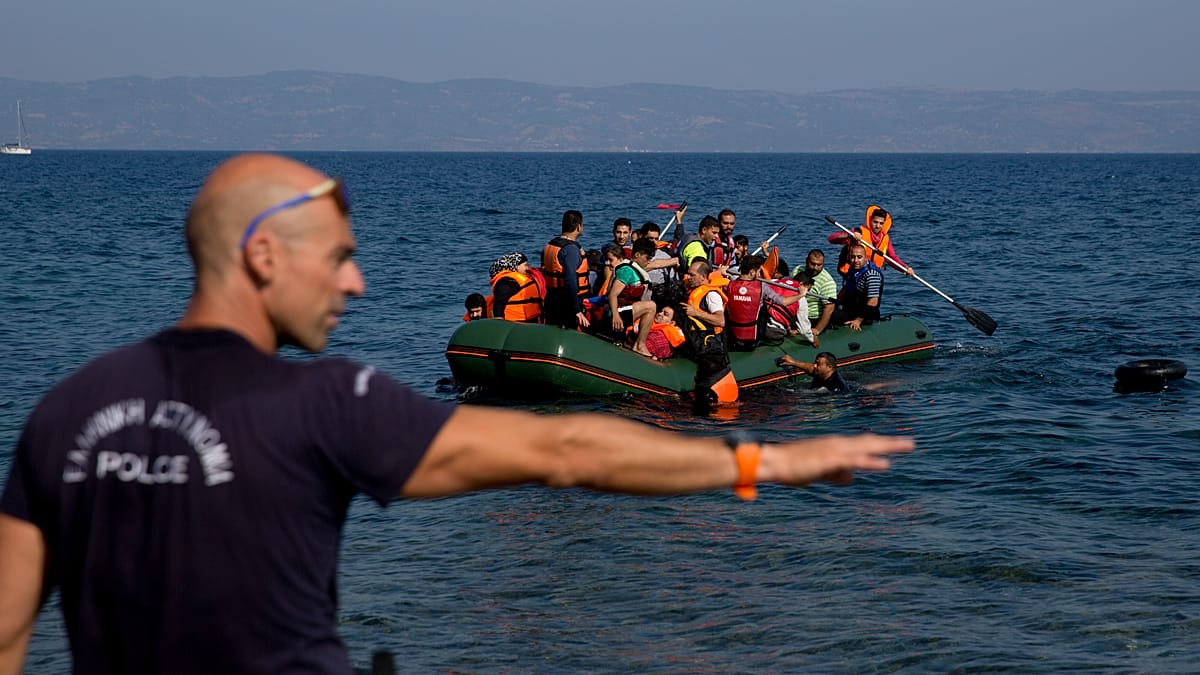
A key part of the discussion was improving the EU's response to sudden mass arrivals, after this summer's events in Ceuta exposed weaknesses in the bloc's emergency systems. The new European Emergency Response Framework is designed to help national authorities react more quickly when migratory pressure is high. The framework will provide a structured mechanism for coordination and resource sharing.
Ministers also insisted on accelerating repatriations through so-called return hubs—facilities located in non-EU countries where individuals without the right to remain are transferred until their deportation is carried out. The “Group of Five,” comprising Denmark, Germany, Austria, the Netherlands, and Greece, is leading efforts to reach agreements with third countries and have the first hubs operational by 2027. This initiative has drawn both support and criticism, with human rights groups raising concerns about the treatment of migrants in such facilities.
Migration diplomacy and technology
Beyond the hubs, the EU is strengthening its migration diplomacy with third countries to curb irregular migration before it reaches European borders. This includes negotiating readmission agreements and fostering cooperation on border management. The bloc is also investing in new technologies to improve border protection, with the €250 million Drone Action Plan receiving an additional €130 million to expand surveillance and detection capabilities.
The moves come just months after the rollout of the Migration and Asylum Pact, which aimed to create a more balanced and predictable system. The new measures signal a shift toward a more restrictive approach, reflecting growing political pressure in several member states to reduce irregular arrivals.
Observers note that the success of these policies will depend on cooperation from third countries and the willingness of member states to implement them consistently. The voluntary nature of mutual recognition, at least initially, could lead to uneven application across the bloc.
As the EU moves forward, the debate over migration policy is likely to intensify, with some calling for even tougher measures and others urging a more humane approach. The coming months will show whether the new framework can deliver on its promises while respecting fundamental rights.