For European businesses seeking a foothold in the Middle East, Jordan has long been a reliable partner. But the relationship is now poised to move beyond trade and aid into a new era of joint investment, driven by a shared interest in stability and economic diversification.
Jordan's location, skilled workforce, and network of free trade agreements make it a natural hub for companies looking to reach regional markets. In the first half of 2026, the kingdom's industrial exports reached approximately €5.5 billion, an 8.9% increase year on year, with products reaching 150 global markets. European firms are already embedded in this story: a recent EU mapping study identified 80 European companies operating in Jordan, generating around €2.5 billion in annual turnover, paying close to €230 million in corporate taxes, and supporting 22,000 direct and indirect jobs.
A framework for deeper ties
The EU–Jordan Strategic and Comprehensive Partnership, launched in January 2025, provides the political scaffolding for this economic push. Its €3 billion package for 2025–2027 combines €640 million in grants, €1 billion in concessional macro-financial assistance, and around €1.4 billion in additional investments to be mobilised. These funds are designed to de-risk projects and attract private capital, particularly in sectors where European expertise meets Jordanian potential: renewable energy, water infrastructure, digital technologies, logistics, and high-value manufacturing.
Jordan's macroeconomic fundamentals remain solid. The dinar has been pegged to the US dollar since 1995, providing monetary stability, and Fitch reaffirmed the country's BB- sovereign rating with a stable outlook in May 2026. Foreign registrations from Gulf Cooperation Council countries jumped 23% in the first half of 2026, compared with 7% growth in total registrations, signalling growing investor confidence.
The economic modernisation vision pursued by Amman aims to expand productive capacity and create quality jobs. Growth reached 3% year on year in the second quarter of 2026, and the government is keen to translate that momentum into sustainable employment, especially for a young population.
European cooperation can accelerate this process. Through investment grants, guarantees, and partnerships with development finance institutions, the EU can help reduce risk and improve project viability. That means more opportunities for European businesses and for Jordanian entrepreneurs alike.
One flagship initiative is the Aqaba Digital Hub, supported by the EU, which is expanding data-centre capacity and digital infrastructure, alongside plans for an academy to develop ICT and cybersecurity skills. Another is the National Conveyance Project, a major step towards securing Jordan's long-term water security, which will be presented at the upcoming Jordan-EU Investment Conference on 19 November at the Dead Sea.
That conference is a chance to turn ambition into concrete deals. By bringing European investors together with Jordanian project promoters, the groundwork can be laid for investments across multiple sectors, creating lasting value on both sides. Jordan can be more than a stable destination for investment; it can be Europe's trusted gateway to the wider Middle East. Investing in this partnership is an investment in shared prosperity and security.
The broader regional context adds urgency. As Europe seeks to diversify supply chains and reduce dependencies, Jordan offers a reliable corridor. The recent push to deepen transport links along the Middle Corridor, for instance, complements Jordan's role as a logistics hub. Similarly, European efforts to secure energy supplies, such as plans to cushion winter bills, underscore the value of stable partners in the region.
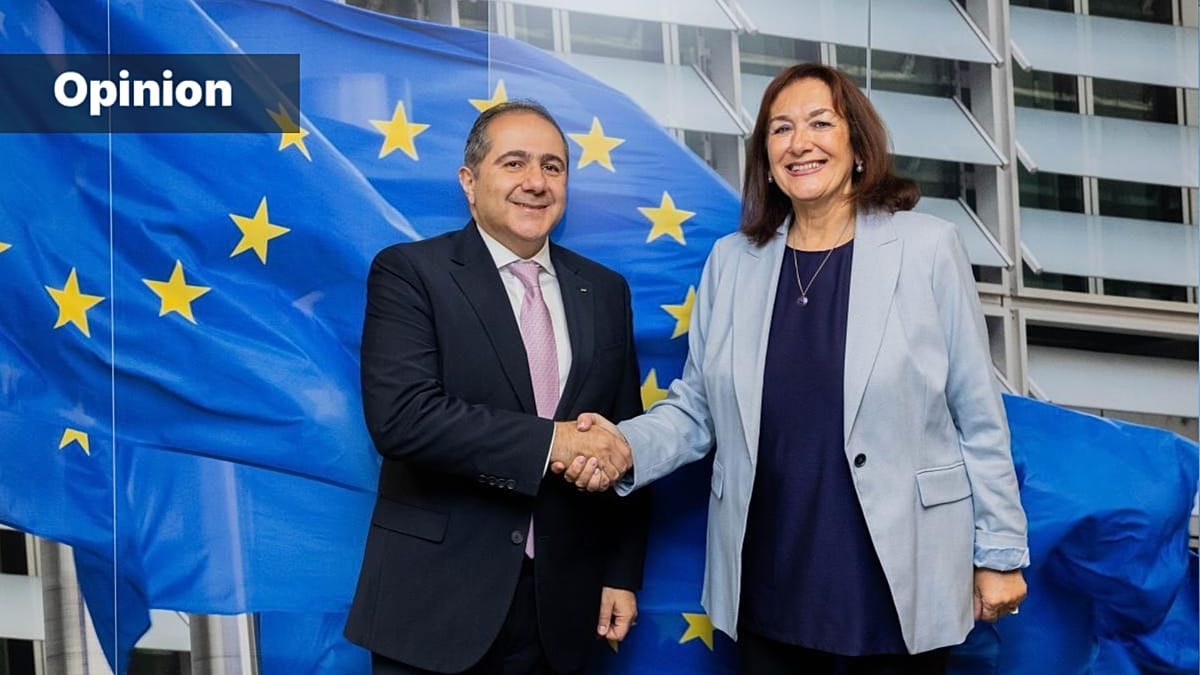
For European policymakers, the partnership with Jordan is not just about economics. It is a strategic investment in a country that has remained an anchor of stability in a volatile neighbourhood. The EU's commitment, as articulated by European Commissioner for the Mediterranean Dubravka Šuica and Jordan's Minister of Investment Tareq Abu Ghazaleh, is to move from political trust to tangible economic results. The November conference will be a test of that ambition.