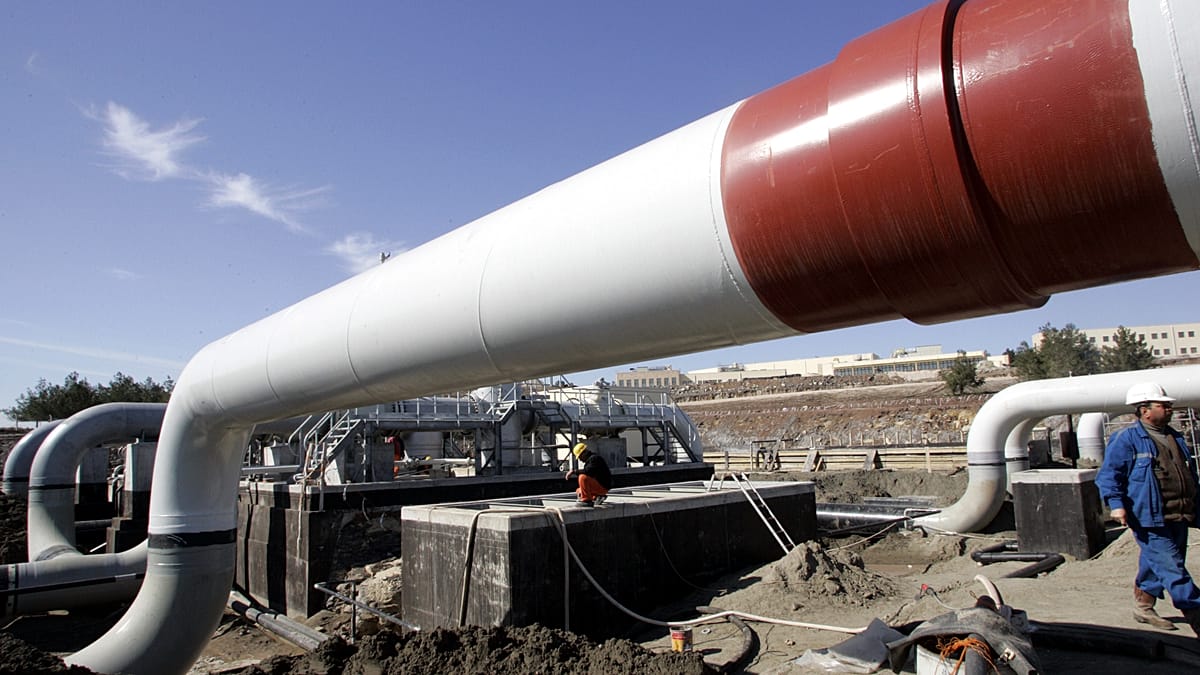
Iraq resumed oil exports through the Kirkuk-Ceyhan pipeline on Tuesday, marking the first flow in twelve years. The pipeline, which connects northern Iraqi fields to the Turkish Mediterranean port of Ceyhan, offers Baghdad an alternative to its southern terminals that ship via the Strait of Hormuz—a waterway currently disrupted by the ongoing conflict between the United States and Iran.
The Iraqi Oil Ministry in Baghdad confirmed that pumping had recommenced after successful technical and operational tests. Oil Minister Basim Mohammed Khudair stated that the initial flow would be 120,000 barrels per day, with a gradual increase to 500,000 barrels per day planned, though no timeline was provided.
Strategic importance amid Hormuz disruptions
The pipeline's revival comes as tanker attacks in the Strait of Hormuz have constrained Iraq's seaborne exports. The strait is a critical chokepoint for global oil shipments, and recent incidents have heightened concerns about supply security. By reopening the northern route, Iraq gains a more stable export corridor that bypasses the volatile Gulf waters.
The pipeline was shut down in 2014 after repeated attacks by the so-called Islamic State group. Since then, Iraq has relied almost entirely on its southern export facilities, which pump crude through the Gulf. The restart is expected to ease pressure on those terminals and provide flexibility in a tense regional environment.
Iraq's Council of Ministers, meeting in Najaf under Prime Minister Ali al-Zeydi, endorsed a recommendation to rehabilitate the pipeline. The approval, based on a proposal from the Economic Affairs Council, signals a long-term commitment to restoring the route, although details on the scope of the work were not disclosed.
Turkey-Iraq energy cooperation deepens
The resumption follows a one-year arrangement agreed between Iraq and Turkey in August, allowing shipments while negotiations continue on a longer-term deal. The pipeline has a capacity of up to 750,000 barrels per day, and both countries have discussed broader energy cooperation. During a visit to Ankara in July, al-Zeydi said Iraq could supply Turkey with up to 1 million barrels per day.
This development also aligns with Turkey's ambitions to become a regional energy hub. The country has been strengthening ties with Gulf states, as seen in the recent defence pact with Qatar, and the renewed oil flow adds a new dimension to its energy diplomacy.
The impact on global oil markets will depend on how much crude Iraq can actually divert to the pipeline and whether these volumes are additional to existing exports or simply replace southern shipments. Analysts note that Iraq's production capacity and infrastructure constraints may limit the immediate effect. Nevertheless, the restart is a positive signal for market stability, especially as oil prices remain sensitive to Hormuz disruptions.
For European consumers, the pipeline offers a potential alternative source of crude that avoids the Gulf chokepoint, though the volumes are modest compared to regional output. The European Union has been seeking to diversify energy supplies, and this development could contribute to that goal, albeit indirectly.
As Iraq and Turkey continue their talks, the successful restart of the Kirkuk-Ceyhan pipeline marks a significant step in restoring a key piece of regional energy infrastructure. It remains to be seen whether the pipeline can reach its full capacity and provide a lasting alternative to the Strait of Hormuz.