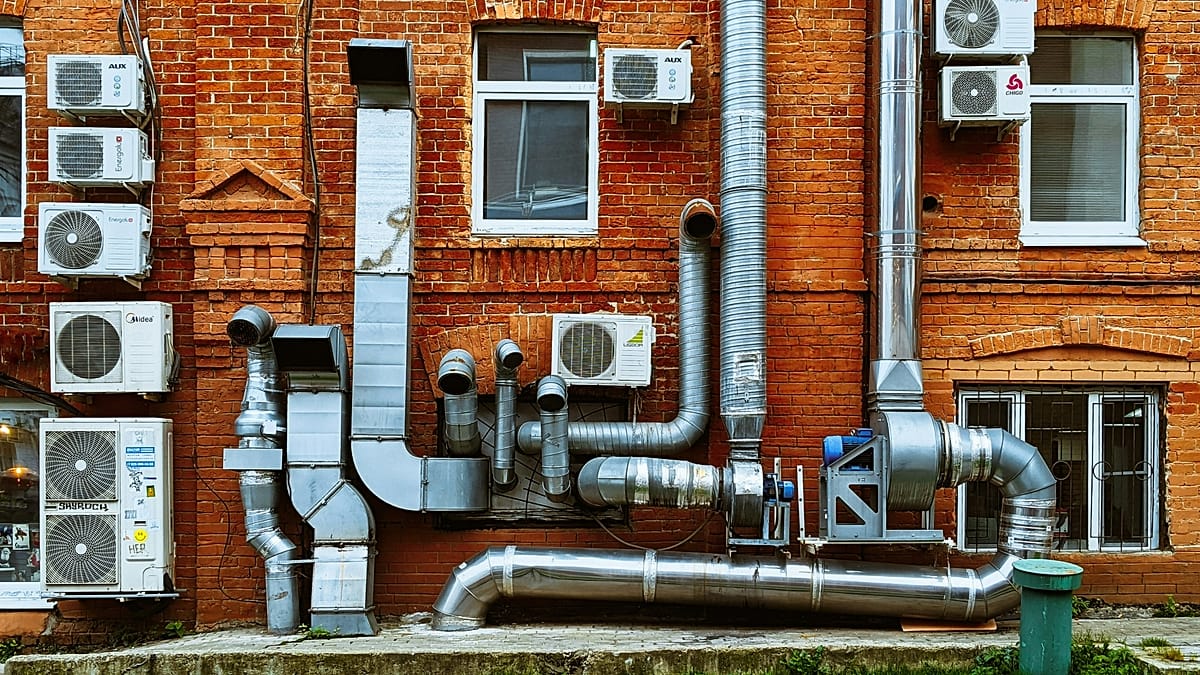
Europe is baking under an early heatwave. The United Kingdom recorded its hottest May temperature since records began, and France activated its national heat warning system for the first time in May since its introduction in 2004. As these conditions become the new normal, the continent faces a growing demand for cooling—and a looming energy crisis.
The International Energy Agency (IEA) projects that the number of air conditioning units in the European Union could quadruple by 2050. In Southeast Asia, the stock is set to increase ninefold between 2020 and 2040. In Indonesia, ownership could jump from 14 percent in 2023 to 85 percent by 2050, driven by rising living standards. While this improves quality of life and prevents heat-related deaths, it also poses serious challenges for energy systems.
During the early summer heatwaves of 2025, France—where AC ownership is relatively low—saw an evening electricity peak 25 percent above the off-season average. In New York, where AC is ubiquitous, the peak was 90 percent higher. “These cooling-driven peaks can put electricity affordability and reliability at risk,” the IEA warns, “especially if efficient technologies are not in place to dampen the effects on energy systems.”
The Environmental Cost of Keeping Cool
Air conditioning currently emits around one billion tonnes of CO₂ per year, out of a global total of 37 billion tonnes. The refrigerants used—hydrofluorocarbons (HFCs) and hydrochlorofluorocarbons (HCFCs)—trap thousands of times more heat in the atmosphere than CO₂, driving global warming. In cities, AC units exacerbate the urban heat island effect by releasing heat outdoors, which is stored and re-emitted, especially at night.
Clara Camarasa, an expert at the IEA, explains: “Air conditioning can put immense pressure on electricity grids and accelerate greenhouse gas emissions, exacerbating the climate crisis. Rapid growth in requirements can lead to the use of inefficient, energy-intensive equipment. Air conditioners also often need large volumes of water, and some refrigerants have a particularly warming potential, harmful to the ozone layer.”
Efficiency and Behavioral Changes
Improving the efficiency of AC units is a key short-term solution. Globally, the average new air conditioner sold is only about half as efficient as the best models available. Yet more efficient equipment does not have to cost more. IEA analysis across Southeast Asia and Latin America shows that consumers can purchase units with efficiency levels ranging from 3 watts per watt (W/W) to over 6 W/W—twice the efficiency for the same upfront cost.
Behavioral changes also matter. A study in Singapore found that participants felt equally or more comfortable when air conditioners were set to a higher temperature and used in combination with a fan. An average-efficiency AC set to 26°C in a well-insulated building consumes about 30 percent less energy than one set to 24°C. Homeowners can also consider air-to-air heat pumps, which provide cooling similarly to standard ACs but are more efficient for heating and emit fewer emissions.
Rethinking Building and Urban Design
On a larger scale, building design and city planning can significantly reduce cooling demand. Proper insulation and exterior shading can cut a building’s cooling needs by up to 80 percent. Passive cooling techniques like natural ventilation can lower indoor temperatures by up to 9°C. During a 2025 heatwave in Paris, nighttime temperatures in an inner-city park were up to 7°C cooler than in nearby built-up areas, highlighting the value of green spaces.
Paris has undergone a radical transformation to combat heat, including planting trees, creating cool corridors, and redesigning public squares. Such urban planning is crucial as extreme heat becomes more common. The IEA’s May heatwave report underscores the urgency of accelerating the clean energy transition to mitigate these impacts.
As Europe grapples with rising temperatures, the choice is clear: invest in efficient cooling, redesign our cities, and adopt smarter habits—or face an overheated energy system and a worsening climate crisis.