As Europe prepares for another busy travel season, new short-term rental data from AirDNA reveals a continent of extremes. Nightly rates now range from under €40 in parts of the Balkans to well over €200 in some of the most sought-after destinations, making accommodation choice a critical factor for holiday budgets in 2026.
The analytics platform examined average daily rates (ADR), occupancy levels, booking lead times, and length-of-stay trends across Europe. The resulting snapshot highlights where budgets stretch furthest and where demand continues to push prices sky-high.
The cheapest destinations in Europe
Eastern Europe remains the continent's most affordable region for holiday rentals, offering rich cultural experiences and natural beauty at a fraction of the cost of western destinations.
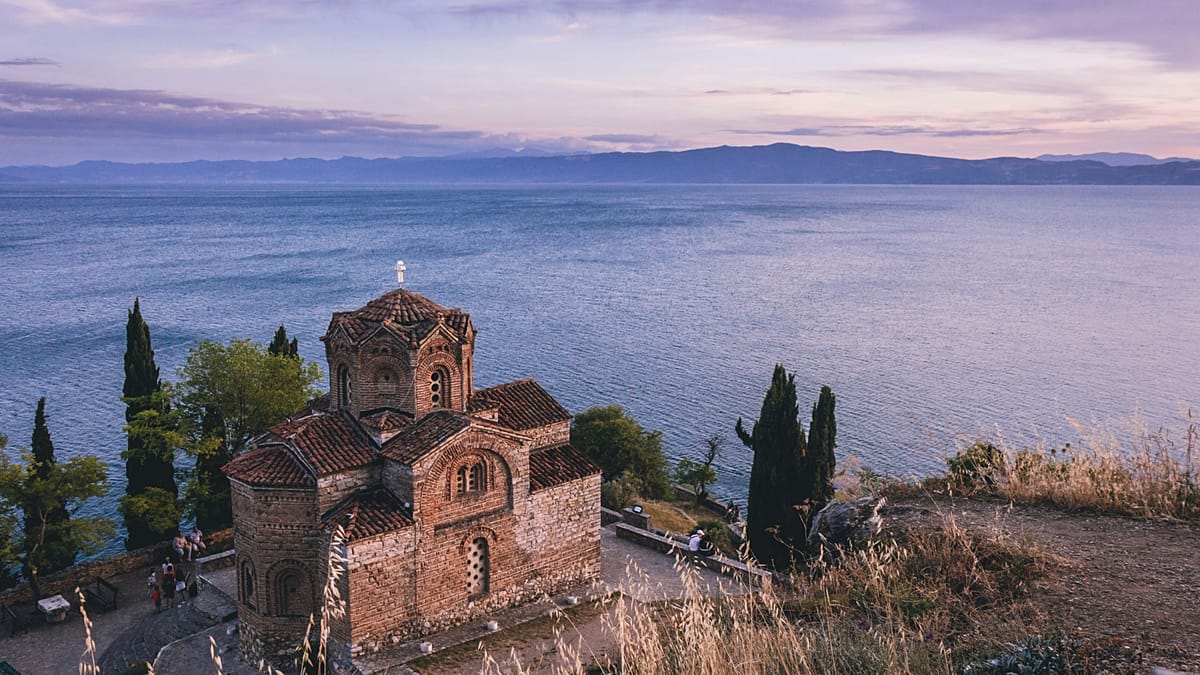
North Macedonia tops the list as Europe's cheapest country for short-term rentals, with an ADR of just €39.81. Travellers here tend to book last minute — on average just 13 days in advance — and stay for 4.4 nights. The capital Skopje and Lake Ohrid are the most popular spots, the latter providing a traditional lakeside experience without the premium prices found elsewhere in Europe.
Kosovo follows closely with an ADR of €41.63. It also records the shortest booking lead time in Europe — a median of just seven days — suggesting many visitors incorporate it into a wider Balkan itinerary rather than treating it as a standalone destination. The average stay is 4.9 nights.
Moldova, known for its rolling hills, monasteries, and wine country, has an ADR of €45.49. It boasts the highest short-term occupancy rate among the cheapest destinations, indicating growing popularity. Visitors favour the capital Chișinău and stay an average of 5.4 nights — the second-longest length of stay in Europe — pointing to a preference for slow travel.
Serbia averages €51.17 per night, with Belgrade drawing the most visitors. Beyond the capital, travellers also explore Novi Sad, the wine regions of Šumadija, and the natural parks along the Drina river. The average stay is 4.5 nights.
Bosnia and Herzegovina rounds out the most affordable list at €56.33 per night. Sarajevo attracts the largest share of tourists, who typically stay 3.8 nights. Many also visit Mostar, just across the Croatian border, and the Herzegovinian countryside.
For travellers seeking value, these Balkan destinations offer a compelling alternative to pricier western European hotspots. A comparison of Greece vs Türkiye also highlights how southern Europe can vary significantly in cost.
The most expensive destinations in Europe
At the other end of the spectrum, a handful of destinations command premium prices driven by exclusivity, natural wonders, or major events.
Monaco, the principality synonymous with wealth, unsurprisingly tops the list. While AirDNA does not disclose its exact ADR, it notes that visitors book an average of 63 days in advance, with stays averaging 3.8 nights. Demand spikes around the Formula 1 Monaco Grand Prix and other high-profile events.
Iceland is the most expensive country with a disclosed ADR: Reykjavík averages €209.90 per night. The country's year-round appeal as a bucket-list destination for adventurers drives these prices. Planning is essential — the median booking lead time is 73 days, the highest in Europe.
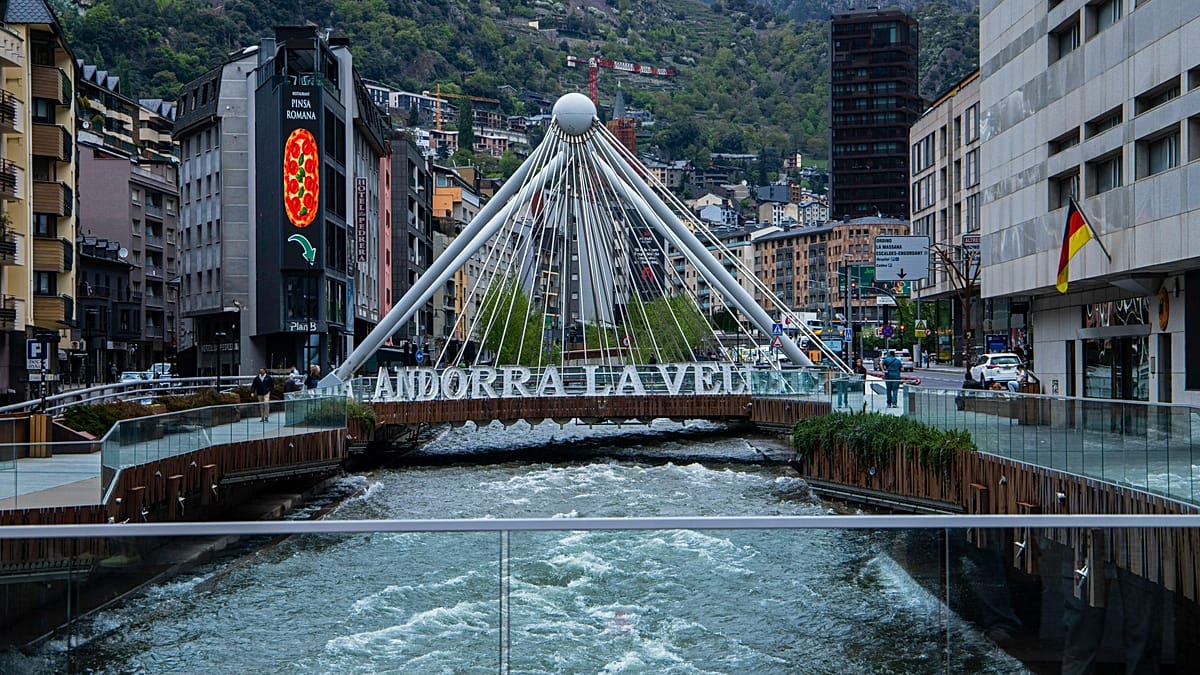
Andorra, the tiny Pyrenean principality, attracts skiers in winter and hikers in summer, with an ADR of €188.57. Stays average 3.9 nights. AirDNA suggests that travellers seeking better value should look outside the main resort areas, where rates soften without sacrificing slope access.
Switzerland lives up to its reputation as a land of luxury, with an ADR of €184.26. The average stay is 4.6 nights, and bookings are made 36 days in advance on average, indicating a need for planning.
The United Kingdom rounds out the top five most expensive, with an ADR of €175.79. Interestingly, the most expensive accommodation is not in London but in other parts of the country, reflecting shifting demand patterns.
These price disparities underscore the importance of destination choice for European holidaymakers in 2026. Whether seeking a bargain in the Balkans or splurging on a luxury getaway, the data offers a clear guide to where your money goes furthest — and where it doesn't.