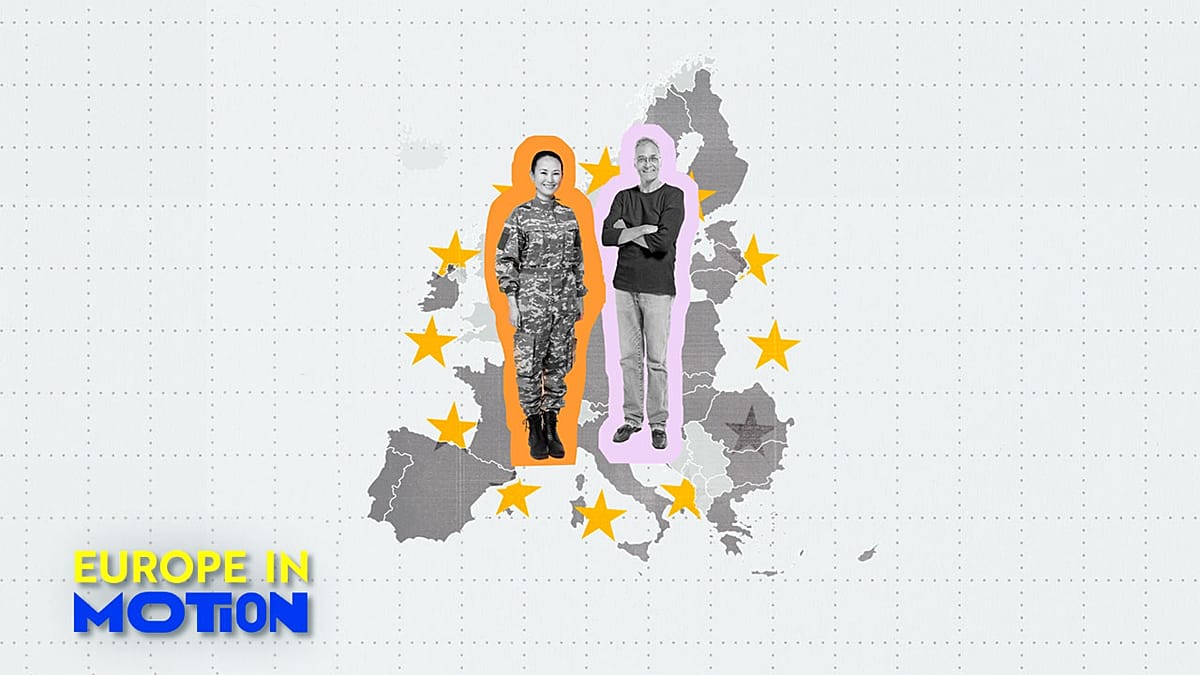
Across Europe, the war in Ukraine and shifting US commitments under President Trump have spurred a reassessment of national defence strategies. Several EU member states are turning to conscription to bolster their armed forces, though approaches vary widely from mandatory service for all to voluntary enlistment with incentives.
Who Requires Mandatory Service?
At least ten EU countries currently enforce compulsory military service. Austria, Croatia, Cyprus, Estonia, Finland, Greece, Latvia, and Lithuania require it only for men, while Denmark and Sweden have extended the obligation to both men and women. Service durations range from Croatia's two-month minimum to a maximum of 15 months in some nations.
In March 2025, around 800 Croatians reported for duty under a newly reintroduced conscription system. Zagreb's parliament voted to reinstate mandatory service last October, reversing a 2008 shift to an all-volunteer force. Recruits receive a monthly allowance of €1,100, credit toward their work record, and preferential access to public-sector jobs.
Germany, meanwhile, has taken a different approach. Since the start of 2026, men aged 17 to 45 must seek approval for stays abroad exceeding three months, even in peacetime. This requirement, part of the Military Service Modernisation Act, was previously limited to states of tension or defence. Eighteen-year-old German men also face mandatory registration and a questionnaire to signal interest in enlisting.
Voluntary Systems and Recruitment Challenges
Most EU countries rely on voluntary military service, but retention remains a persistent problem. According to the European Organisation of Military Associations and Trade Unions (EUROMIL), personnel numbers shrank by an average of 16% between 2010 and 2020. Belgium and Germany saw the steepest declines—26.5% and 25%, respectively—while Hungary and Sweden recorded 25% increases.
Low wages, poor work-life balance, and negative work environments are cited as key factors driving attrition. Women in the military face additional hurdles, including gender-specific barriers to career progression and retention.
The broader geopolitical context—including Russia's ongoing war in Ukraine and debates over EU mutual defence clauses—has intensified pressure on European capitals to address these gaps. Some analysts argue that conscription alone cannot solve recruitment shortfalls without parallel investments in pay, conditions, and modernisation.
As European leaders gather for crisis talks on energy and defence—most recently in Cyprus—the patchwork of conscription policies reflects deeper tensions between national sovereignty and collective security. Whether mandatory service can reverse the continent's military decline remains an open question.