Across Europe, employers are struggling most to recruit teachers, health professionals, and IT specialists, while finding workers for manual and routine roles is comparatively easy. That is the central finding of the OECD's latest Mapping Skill Shortages report, which analyses labour market pressures in 27 European countries, including EU member states, Norway, Switzerland, Turkey, and the UK.
The report uses an index that compares occupations within each country, with positive scores indicating relative shortages and negative scores pointing to surpluses. The data, mostly from 2024, reveals a clear pattern: education, healthcare, and technology roles are consistently hard to fill, while elementary occupations such as labourers and food preparation assistants are in ample supply.
Teaching tops the shortage list
Teachers are among the five hardest occupations to fill in 13 of the countries analysed, making it the most frequently cited shortage. Health professionals and ICT professionals follow closely, each appearing in the top five in 12 countries. Managers are also hard to recruit in seven countries, while health associate professionals, personal care workers, and business and administration professionals each feature in six.
At the other end of the spectrum, labourers are among the five easiest roles to fill in 14 countries, followed by food preparation assistants in 12, clerical workers in 11, elementary workers in 10, and assemblers in eight. The OECD groups occupations into five categories of difficulty, and the pattern holds: health, teaching, and ICT are hard to fill in most countries, while low-skilled and routine jobs are generally easy to staff.
Why are doctors and nurses so scarce?
Health professionals are hard to find in 23 of the 27 countries, and health associate professionals are in short supply in 21. The European Federation of Nurses Associations (EFN) points to systemic problems. "EU and European healthcare systems are unable to retain and recruit nurses at the frontline of care, which is leading to extensive nursing shortages everywhere," said Paul De Raeve and Manuel Ballotta of the EFN. They cite high patient-to-nurse ratios, unsafe working conditions, widespread mental health issues, low pay, limited career prospects, and frequent exposure to harassment and violence as key deterrents.
Dr Ole Johan Bakke, president of the Standing Committee of European Doctors (CPME), adds that doctors face worsening conditions. "Doctors across Europe are increasingly expected to compensate for systemic workforce shortages through excessive working hours and increased workloads. Violence against healthcare professionals, an increasingly common phenomenon experienced by doctors, further compounds these problems," he said. These pressures contribute to burnout and make medicine less attractive as a lifelong career, he warned.
Teacher shortages go beyond pay
Teachers are hard to find in 21 countries, with only Germany, Greece, Italy, Norway, Spain, and Turkey classified as broadly in balance. Daniel Wisniewski, secretary general of the European Federation of Education Employers, argues that the issue is not just about filling vacancies. "Teacher shortages are no longer simply a question of filling vacant positions; they increasingly concern the long-term attractiveness and sustainability of the teaching profession," he said.
While competitive salaries remain essential, Wisniewski stresses that teaching has become more complex. Schools are adopting digital tools, making classrooms more inclusive, and taking on more responsibility for student wellbeing, all while teachers face growing administrative burdens. "We need to recognise that teachers' working conditions, professional autonomy, career development opportunities and the quality of school leadership are equally important in determining whether people enter and remain in the profession," he added.
Will AI ease IT shortages?
ICT professionals and business and administration professionals are hard to find in 18 countries each. Isabel Skak Olufsen, an economist at the OECD, says digitalisation has driven up demand for ICT skills. However, she notes that advances in artificial intelligence may reduce demand for some ICT roles in the future, particularly entry-level positions. This could help ease shortages, but the impact remains uncertain.
Low-skilled roles are easy to fill
Labourers are easy to find in 21 countries, followed by food preparation assistants in 17 and elementary workers in 16. Sales workers and assemblers also appear frequently on the easiest-to-fill lists. This suggests that while Europe faces a shortage of skilled professionals, there is no shortage of workers willing to take on manual or routine jobs.
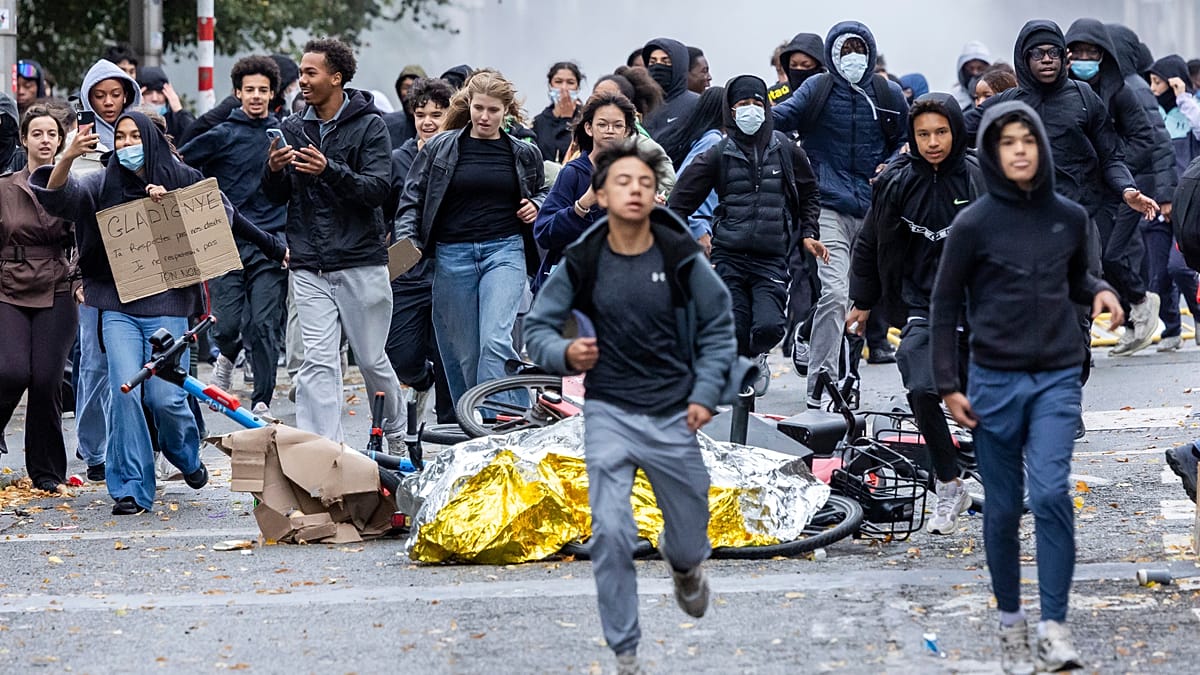
The OECD's findings come as young people across the continent face a tougher job market. The unemployment gap between young graduates and the wider working-age population has widened, and the European Central Bank has noted weaker job prospects for youth in the eurozone since 2023. This paradox—high youth unemployment alongside persistent skill shortages—highlights the mismatch between the skills workers have and those employers need.
For policymakers, the message is clear: addressing shortages in teaching, healthcare, and IT requires more than just pay increases. It demands improvements in working conditions, career development, and professional autonomy. As Europe's hospitals brace for new threats, the need for a sustainable health workforce has never been more urgent.