What makes an airport truly great? For some travellers, it's the duty-free boutiques; for others, it's the ease of reaching the city centre or the sheer number of direct connections. The latest World Consumer Airport Index from the Consumer Choice Center tries to answer that question by weighing a broad set of criteria, and its findings are a clear win for Europe.
The index splits airports into two groups: those handling more than 47.2 million passengers a year and those below that threshold. It evaluates each hub on direct metro or national rail links, the convenience of transfers between gates and terminals, the variety of airlines, average delays, and whether an on-site hotel exists. Bonus points are awarded for security queues under three minutes and for the absence of nighttime curfews.
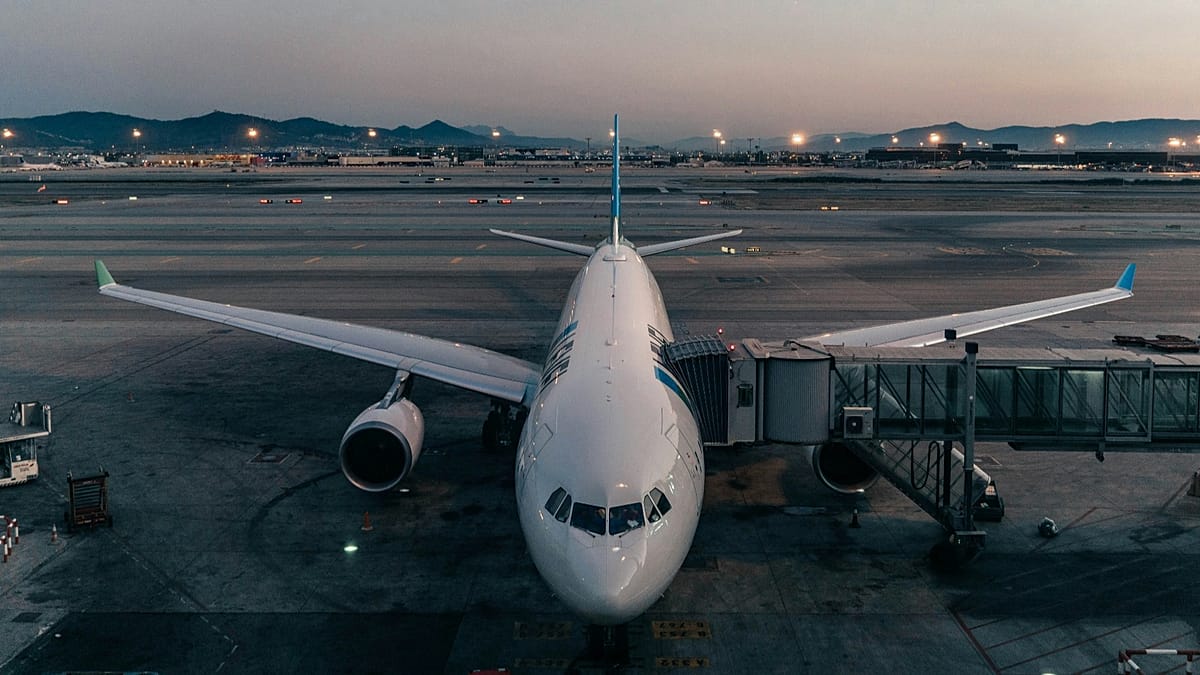
When the results were tallied, both categories had European winners. Barcelona-El Prat Josep Tarradellas Airport took the top spot among large airports, while Düsseldorf Airport led the smaller category. Both excelled in security processing: passengers at Barcelona wait an average of just three minutes, while in Düsseldorf the process is nearly instantaneous.
European hubs dominate the top ten
The large-airport ranking is a showcase for the continent. Rome's Leonardo da Vinci-Fiumicino, Paris Charles de Gaulle, London Heathrow, and Madrid's Adolfo Suárez Madrid–Barajas all feature in the top ten, alongside Barcelona. In the small-airport list, Europe claims seven of the ten spots: Zurich, Copenhagen, Helsinki, Milan Malpensa, Oslo Gardermoen, Munich, and Brussels. Notably, Brussels Airport's recent rail connections may have contributed to its strong showing.
The index's methodology rewards airports that integrate seamlessly with urban transport networks. Barcelona's metro link and Düsseldorf's proximity to the city centre are clear advantages. Conversely, airports that are far from downtown or poorly served by rail tend to rank lower.
Where airports fall short
Among large hubs, the worst performers include Antalya, Guangzhou Baiyun, and Frankfurt. For smaller airports, Seoul Gimpo, Punta Cana, and London Stansted are at the bottom. These airports share common problems: extreme distances from city centres, a lack of ride-hailing options independent of taxis, poor rail access, long security waits, and high rates of delays.
Frankfurt's low ranking is a surprise for a major European hub, but the index suggests that its lengthy transfer times and security queues hurt its score. London Stansted, meanwhile, suffers from its remote location and limited rail connectivity compared to other London airports.
The results highlight a broader trend: European airports are investing in passenger experience, from faster security to better ground transport. As Spain's tourism sector continues to grow, Barcelona's top ranking could bolster its appeal as a gateway to the Mediterranean.
For travellers, the index offers a useful guide, but it also underscores that the best airport experience often depends on factors beyond the terminal itself. A quick security line means little if you then face a two-hour bus ride to the city. The European winners, however, seem to have found the right balance.