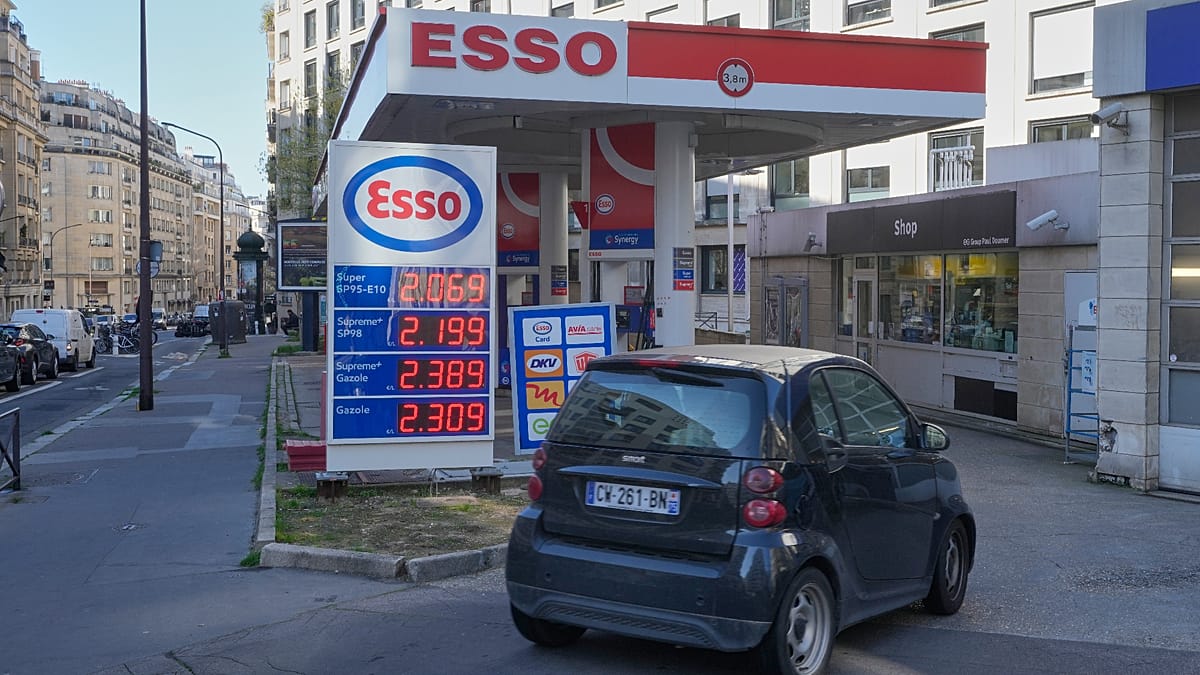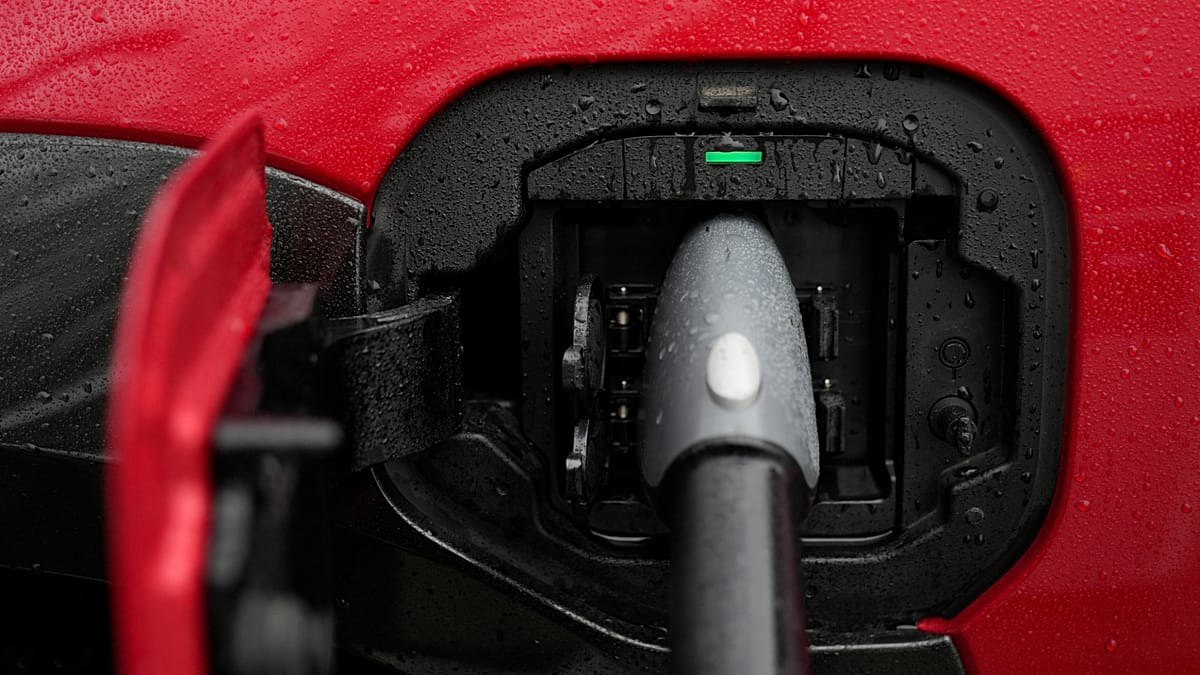
European motorists are increasingly viewing electric vehicles as a financial buffer against the volatile petrol prices exacerbated by geopolitical instability. With the average price for a litre of petrol across the EU reaching €1.77 this week—a sharp increase from €1.59 in December—the economic case for electrification is gaining traction beyond environmental concerns.
"Clean power and electrification combined is what provides the most security," says Euan Graham, an analyst at the energy think tank Ember. This sentiment is echoed by consumers and experts who see EVs as a long-term hedge against the kind of price shocks currently rippling through global oil markets due to conflict in the Middle East.
A Divergent European Landscape
The financial insulation for EV owners varies significantly across the continent. In nations like France, with its strong nuclear base, and Spain, with growing renewable capacity, electricity prices offer more stability. In contrast, markets like Germany, which remain more dependent on natural gas for power generation, see a closer link between fossil fuel volatility and electricity costs. This patchwork reality underscores that the benefits of going electric are not uniform from Lisbon to Helsinki.
The situation mirrors a broader warning from the EU Energy Chief, who has cautioned about prolonged price hikes stemming from the Middle East conflict. While residential electricity tariffs are generally less volatile than pump prices, they are not immune. Experts point to rising power demand from new data centres and other inflationary pressures as factors that could push electricity costs higher, albeit more gradually than petrol.
"To what extent oil and gas conflicts could translate to the electricity sector is yet to be seen," notes one industry observer. The composition of a national grid—whether powered by coal, nuclear, renewables, or gas—fundamentally influences both the cost and the carbon footprint of charging an EV.
Shifting Consumer Behaviour
Data from consumer research indicates that sustained high fuel prices are a powerful catalyst for EV consideration. Analysis from the 2022 energy crisis showed sharp increases in interest for electrified vehicles during price surges. Early data from March 2026 suggests a similar pattern is emerging, with online research for hybrids and EVs rising noticeably in the weeks following the latest geopolitical escalation.
For drivers like Michael Klein, a software developer in the US who has driven EVs for eight years, the logic is twofold: saving on fuel and environmental impact. "Every time electrical grid efficiency improves—especially as renewables are added—I get that benefit no matter what," he says, highlighting a key advantage over internal combustion engines, where efficiency gains typically require purchasing a new vehicle.
However, the calculus for consumers is complex. A sudden spike in EV demand could drive up vehicle prices. Furthermore, the long-term savings depend on future electricity tariffs and government policy. "I think the real step change would be in whether this causes governments to shift tax, tariff policies around EVs," Graham suggests, pointing to the potential for policy to further reduce fossil fuel dependence.
The trend also intersects with Europe's strategic priorities, including defence industrial policy. As nations reassess security, companies like Thales are seeing defence orders surge by 75% amid global tensions, a reminder that energy and national security are increasingly intertwined.
Ultimately, while the upfront cost of an EV remains a barrier for many, the lifetime savings can be significant. "We’re talking about thousands and thousands of dollars in savings," says Peter Zalzal of the Environmental Defense Fund. "And as gas prices increase, those savings are only greater." For European consumers facing an uncertain energy landscape, the appeal of bypassing the petrol station is growing stronger by the week.