Members of the European Parliament's Committee on International Trade voted overwhelmingly on Tuesday to approve legislation eliminating EU duties on most US industrial goods, moving the controversial EU-US trade deal one step closer to final adoption. The two legislative files passed with identical tallies: 31 in favour, six against, and three abstentions each.
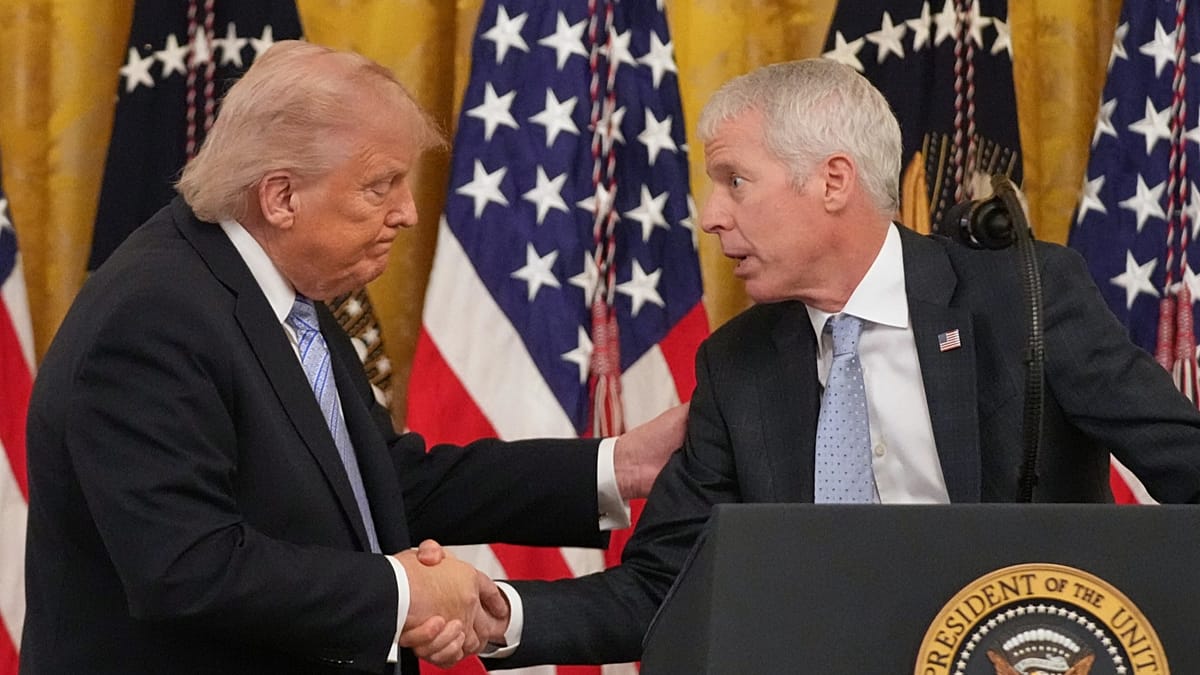
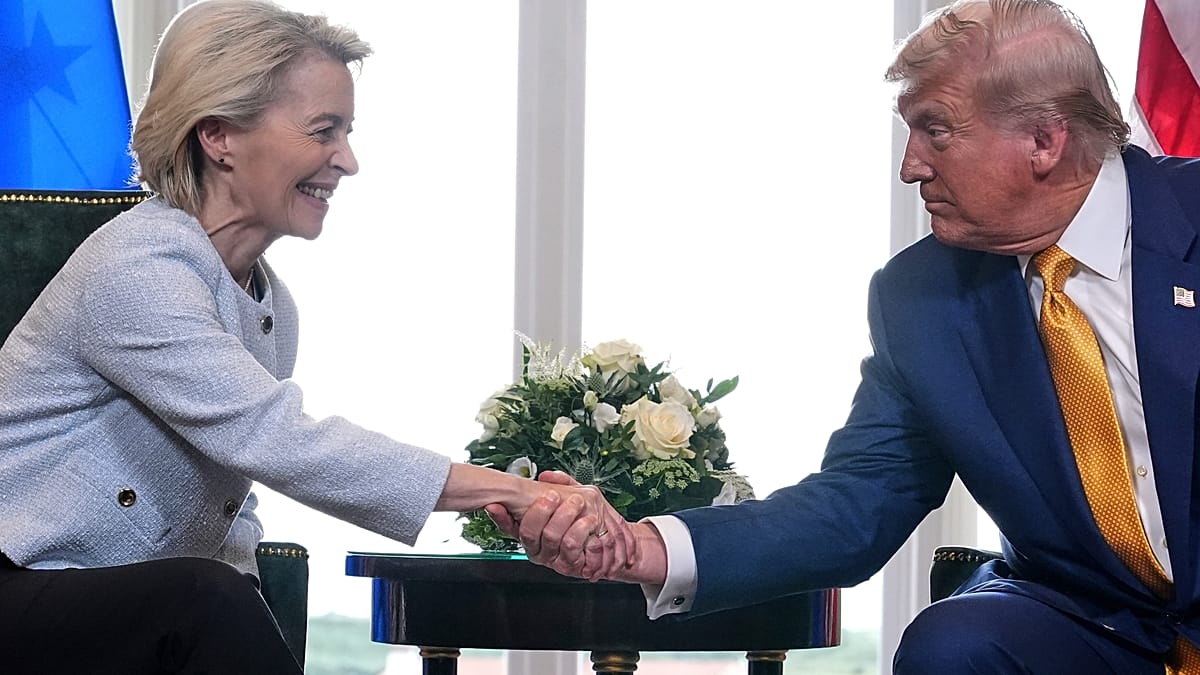
The vote follows a provisional agreement reached last week between EU lawmakers and member state ambassadors, which itself implemented the deal struck last summer by US President Donald Trump and European Commission President Ursula von der Leyen in Turnberry, Scotland. The full Parliament is expected to vote on the package during its plenary session later this month.
Watered-Down Safeguards Raise Concerns
Many MEPs had viewed the Turnberry agreement as lopsided, and negotiations between EU diplomats and the Parliament were tense. Lawmakers pushed for robust protections, including a “sunset” clause that would have automatically terminated the deal after March 2028 unless renewed. Instead, the final compromise extends the sunset date to 31 December 2029 — a concession to member states that critics say weakens the EU's leverage.
In place of the stronger sunset provision, Parliament secured a mechanism allowing the European Commission to suspend the trade deal at the request of either the Parliament or a single member state, provided the US fails to lift its tariffs on European steel and aluminium by the end of 2026. “We are sticking to our deal, but we are also clear that if the other side is breaching this deal, we have a lot of possibilities,” said Bernd Lange, the German Socialist MEP who led negotiations for the Parliament, ahead of the vote.
Under the agreement, the EU will reduce its tariffs on US products to zero, while the US will apply a 15% tariff rate on European goods. The deal was heavily influenced by Trump's repeated threats to impose 25% tariffs on EU cars if the bloc did not implement the agreement by 4 July, the 250th anniversary of the United States.
Geopolitical Context and Internal Tensions
The approval process has unfolded against a backdrop of escalating US pressure, including the Trump administration's claims over Greenland and repeated tariff threats, which have heightened unease among several MEPs. The deal also comes as the EU faces broader trade challenges, including a shift toward a harder line on China amid persistent imbalances, as reported in EU Shifts Toward Harder Line on China as Trade Imbalances Persist.
Some lawmakers argued that the watered-down safeguards leave the bloc vulnerable. “The sunset clause was our main tool to ensure reciprocity,” said a French MEP who requested anonymity. “Without it, we are relying on a suspension mechanism that may be politically difficult to activate.” Others, however, stressed the importance of maintaining transatlantic ties. “This deal is not perfect, but it prevents a trade war that would hurt European workers and consumers,” said a centre-right German MEP.
The vote also highlights the ongoing tension between EU institutions and member states over trade policy. The European Commission, which negotiated the deal, has defended it as a necessary compromise. The Parliament's role in securing the suspension clause, though limited, is seen as a modest victory for democratic oversight.
Looking ahead, the final plenary vote in June will test the broader political appetite for the agreement. If approved, the deal will take effect later this year, but its long-term viability remains uncertain, particularly given the volatile US political landscape and the potential for further tariff escalations. For now, the EU is betting that a flawed deal is better than no deal at all.