As the sun sets over Europe on this August 10, 2026, a day of significant developments draws to a close. From the corridors of power in Brussels to the cultural hubs of Paris and Berlin, here are the stories shaping the continent this evening.
Political landscape
In Brussels, EU leaders convened for an emergency summit focused on energy security, as member states grapple with the ongoing challenges of supply diversification and price volatility. The discussions, which stretched into the evening, are expected to yield a joint statement on accelerating the transition to renewable sources while ensuring affordable energy for households and businesses.
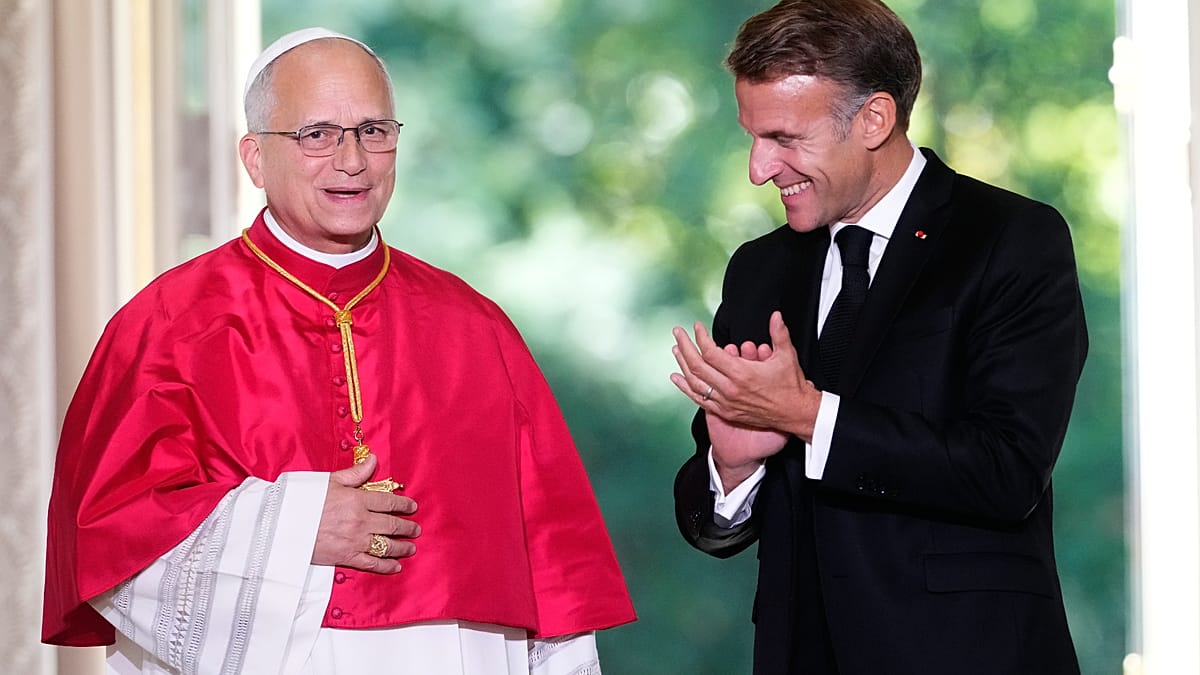
Meanwhile, in Paris, the Élysée Palace announced a new initiative aimed at boosting Franco-German cooperation on defense and technology. The plan, unveiled by President Macron and Chancellor Scholz, seeks to harmonize procurement processes and foster joint research in artificial intelligence and cybersecurity. Analysts see this as a step toward greater European strategic autonomy.
Business and economy
On the economic front, the European Central Bank released its quarterly financial stability review, highlighting resilience in the banking sector despite persistent inflationary pressures. The report notes that while household debt remains manageable, the ECB urges vigilance over commercial real estate exposures in several member states, including the Netherlands and Sweden.
In Frankfurt, the DAX closed up 0.8%, buoyed by strong earnings from automotive and tech firms. Shares in Munich-based Siemens Energy surged after the company announced a major offshore wind contract with a Danish utility. This optimism was mirrored across European bourses, with the FTSE 100 and CAC 40 also posting gains.
Culture and society
Culturally, Madrid's Prado Museum unveiled a groundbreaking exhibition that uses artificial intelligence to reimagine masterpieces under the light of a solar eclipse. The immersive display, which runs through October, has already drawn record crowds and sparked debate about the intersection of technology and art. For a closer look, see our coverage of the Prado's AI video.
In other news, France is set to implement a ban on cold calls starting tomorrow, August 11, as part of a broader consumer protection crackdown. The measure, which applies to unsolicited sales calls, is expected to affect telemarketing firms across the country. More details are available in our report on the French cold-call ban.
Travel and security
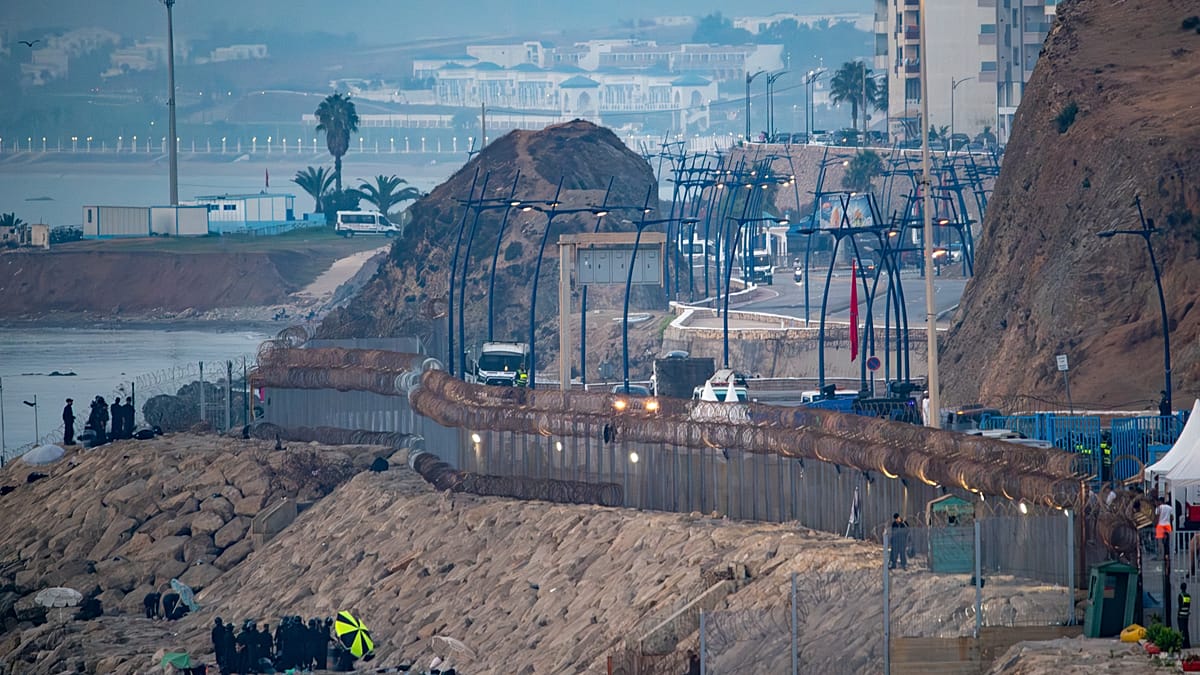
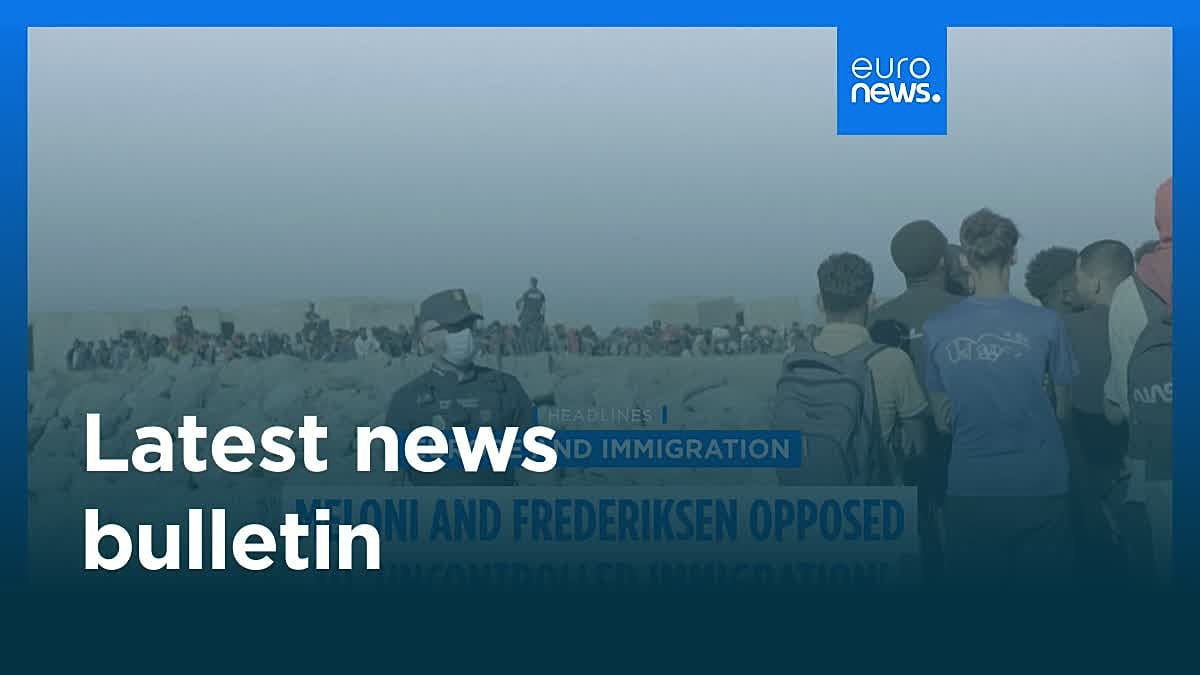
For travelers, the Spanish Civil Guard has issued a warning about a possible mass crossing attempt at the Ceuta border on August 15. Authorities are increasing patrols and coordinating with Moroccan counterparts to manage the situation. This comes amid broader migration pressures in the Mediterranean, a recurring challenge for the EU.
In the Balkans, officials in Belgrade and Pristina resumed dialogue under EU mediation, focusing on normalization of ties. While progress remains slow, both sides expressed commitment to the process, which is seen as crucial for regional stability and eventual EU accession.
As the evening unfolds, these stories underscore the interconnectedness of European affairs. For a comprehensive start to your day, don't miss our morning briefing for August 10, and stay tuned for further updates as they develop.