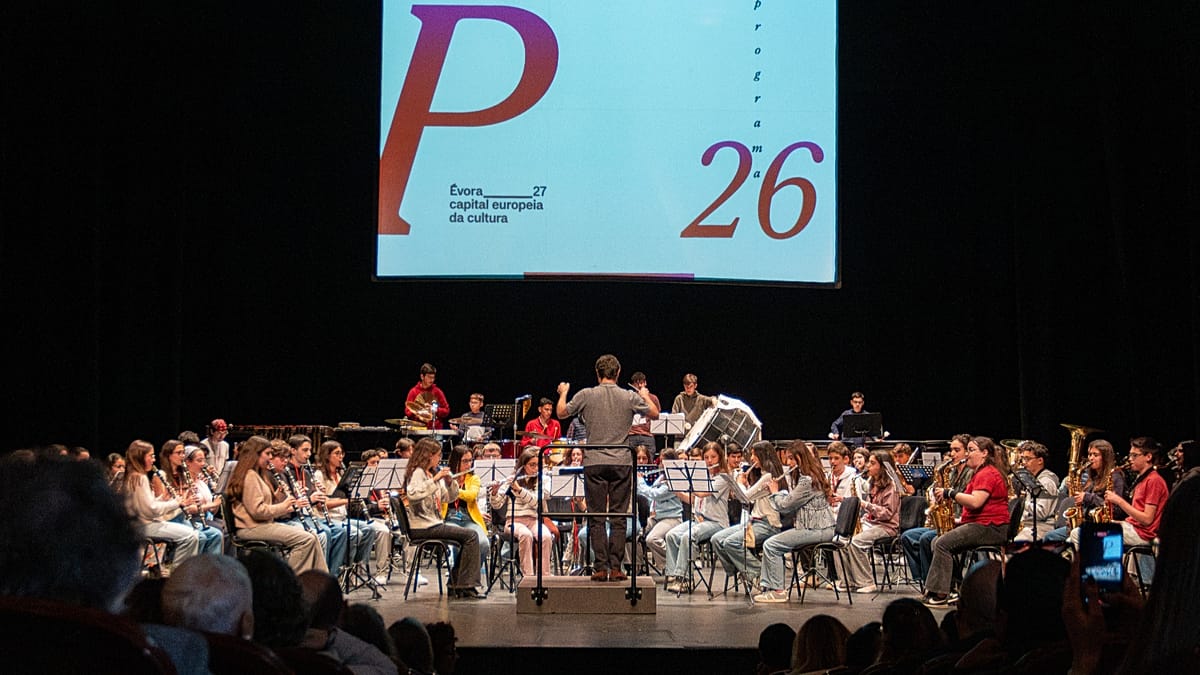
The historic city of Évora, a UNESCO World Heritage site in Portugal's Alentejo region, is preparing to take on the mantle of European Capital of Culture in 2027. It will share the title that year with the Latvian port city of Liepāja on the Baltic Sea. This designation marks the fourth time a Portuguese city has been selected, following Lisbon (1994), Porto (2001), and Guimarães (2012).
A Programme Rooted in 'Vagar'
The organisers of Évora 2027 have chosen a deeply local concept as their guiding principle: 'Vagar'. This Portuguese term, translating roughly to 'wandering' or 'lingering', is described as intrinsic to the Alentejo character and landscape. It advocates for a slower, more reflective approach to experiencing time, place, and community.
Bruno Fraga Braz, Director of Communications and Outreach for the Évora 2027 Association, explained the ethos to Euronews. "Based on this very typical way of being in the region, where taking time to reflect and experience our surroundings is seen as essential, our intention is to highlight the best that the territory and its people have to offer," he said. The programme aims to intertwine this local philosophy with broader European values.
"The heritage is rich and vast, the landscape is unique in European terms. So what we're going to do is create a programme... that shows how we've managed to be an event with such deep roots in the Alentejo," stated Braz.
He described the Alentejo plains and cork oak forests as "a place par excellence for wandering." The concept offers, he added, "the possibility of reflecting on the way we live our lives, how we relate to time, to each other and to the space around us."
Building Towards 2027
The full cultural programme for 2027 will be unveiled at the end of 2026. However, the organising association has already begun rolling out preliminary events for 2024 and 2025, including masterclasses, musical performances, and film cycles. These initiatives are designed to be firmly rooted in the region's identity, serving as a prelude to the main event.
The European Capital of Culture initiative, launched in 1985, has evolved into one of the EU's most ambitious cultural projects. According to the European Commission Representation in Portugal, its goals are to highlight culture's role in urban development, foster mutual understanding among Europeans, strengthen a sense of shared community, and build lasting cultural partnerships across the continent.
This focus on cultural cohesion comes as Europe navigates other complex challenges, from energy security concerns linked to global conflicts to internal debates over governance, such as scrutiny of previous administrations' policies in Hungary.
Anticipated Impact and a New Tourism Model
While Braz stresses that the primary goal is to "provide a rich and valuable artistic, cultural and visitor experience," rather than merely attract tourists, significant economic and social impact is anticipated. Based on studies by Turismo do Alentejo and the outcomes of previous Portuguese Capitals of Culture, visitor numbers to the host region typically double during the title year.
Évora and the wider Alentejo, which normally see around 600,000 visitors annually, expect that figure to rise to approximately 1.2 million in 2027. Beyond sheer numbers, the organisers aim to pioneer a different model of cultural tourism.
"We want visitors to find in Évora 2027 the reason to stay in the area longer. And do it with time, do it slowly, in the sense of paying attention—paying attention to gastronomy, to what we have to offer in cultural, artistic and heritage terms, and also to its people," Braz elaborated. This vision of 'slow tourism' aligns perfectly with the core 'Vagar' philosophy, positioning the Alentejo as a destination for depth and connection rather than fleeting visits.
As Évora and Liepāja develop their parallel programmes, they join a prestigious network of cities that have used the Capital of Culture platform for transformation. For Évora, the journey to 2027 is as much about inviting Europe to experience its unique pace of life as it is about showcasing its monumental heritage.