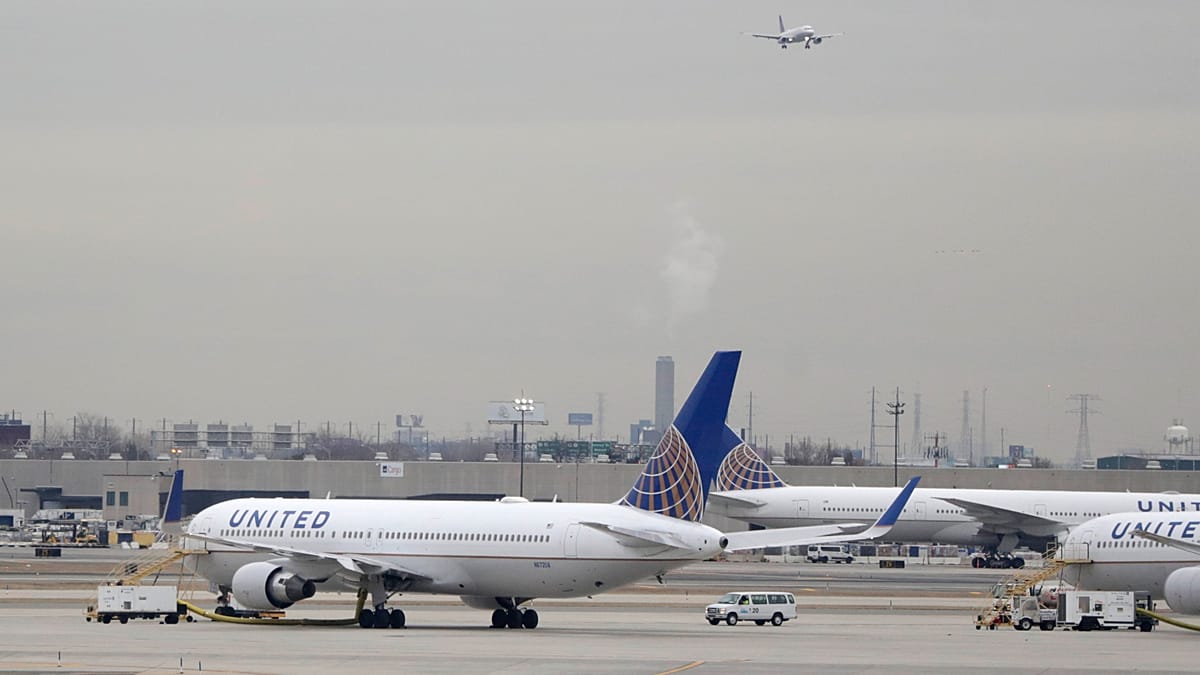
Travel chaos hit the northeastern United States on Monday as an equipment failure at a key air traffic control facility forced ground stops at six major airports. The disruption, which began in the morning, left thousands of passengers stranded and triggered a cascade of delays and cancellations across the region.
The Federal Aviation Administration (FAA) confirmed that ground stops were in effect at Newark Liberty International, Philadelphia International, John F. Kennedy International, LaGuardia, Teterboro, and Westchester County airports. According to flight-tracking service Flightradar24, Newark and Philadelphia experienced the most severe disruptions, with average delays of approximately 170 minutes and 60 minutes respectively. By early afternoon, Newark had recorded 92 cancellations and nearly 70 diversions.
Newark Liberty airport took to social media to inform travelers: "Due to an FAA equipment outage, arrivals and departures are currently delayed. Please contact your airline for flight status." The message echoed the frustration of many passengers who faced long waits and uncertain schedules.
The root cause was traced to the Philadelphia Terminal Radio Approach Control (TRACON), a critical facility that manages air traffic in the region. FAA administrator Bryan Bedford told reporters that the "primary circuit" at the TRACON had failed, and a backup fibre cable had been accidentally severed by a construction crew. He assured that a new circuit would be operational by 1:30 pm local time, but the damage had already been done.
UK air traffic also hit by technical glitch
Across the Atlantic, British travellers faced their own set of problems. NATS, the UK's air traffic control operator, reported a "connectivity issue with part of our systems network" at its Prestwick centre in Scotland on Monday morning. This marked the second such incident this month, though NATS was quick to clarify that it was unrelated to the earlier problem.
NATS later announced that the issue had been "fixed" and that it was working with airlines and airports to lift air traffic restrictions. However, the disruption had already caused delays and cancellations for passengers across the UK, adding to the frustration of a travel season already plagued by technical difficulties.
The incidents highlight the fragility of air traffic control infrastructure on both sides of the Atlantic. While the FAA and NATS have robust systems in place, single points of failure—whether a failed circuit or a severed cable—can bring operations to a standstill. For European travellers, the news serves as a reminder of the importance of resilient infrastructure, especially as air travel demand continues to rebound.
European airports have been working to improve passenger experience, with several ranking highly in global surveys. Yet, as these events show, even the most advanced systems are vulnerable to unexpected outages. The aviation industry will likely review these incidents to strengthen contingency plans and minimise future disruptions.
For now, affected passengers are advised to check with their airlines for the latest flight status and to prepare for potential delays. The FAA and NATS are expected to provide further updates as they work to restore full operations.