Ferrari's top marketing executive, who shaped the Italian luxury automaker's image for more than a decade, has left the company just weeks after the troubled unveiling of its first fully electric car. The departure signals internal turbulence at Maranello as the brand navigates its most significant technological shift since the founding of the company by Enzo Ferrari in 1947.
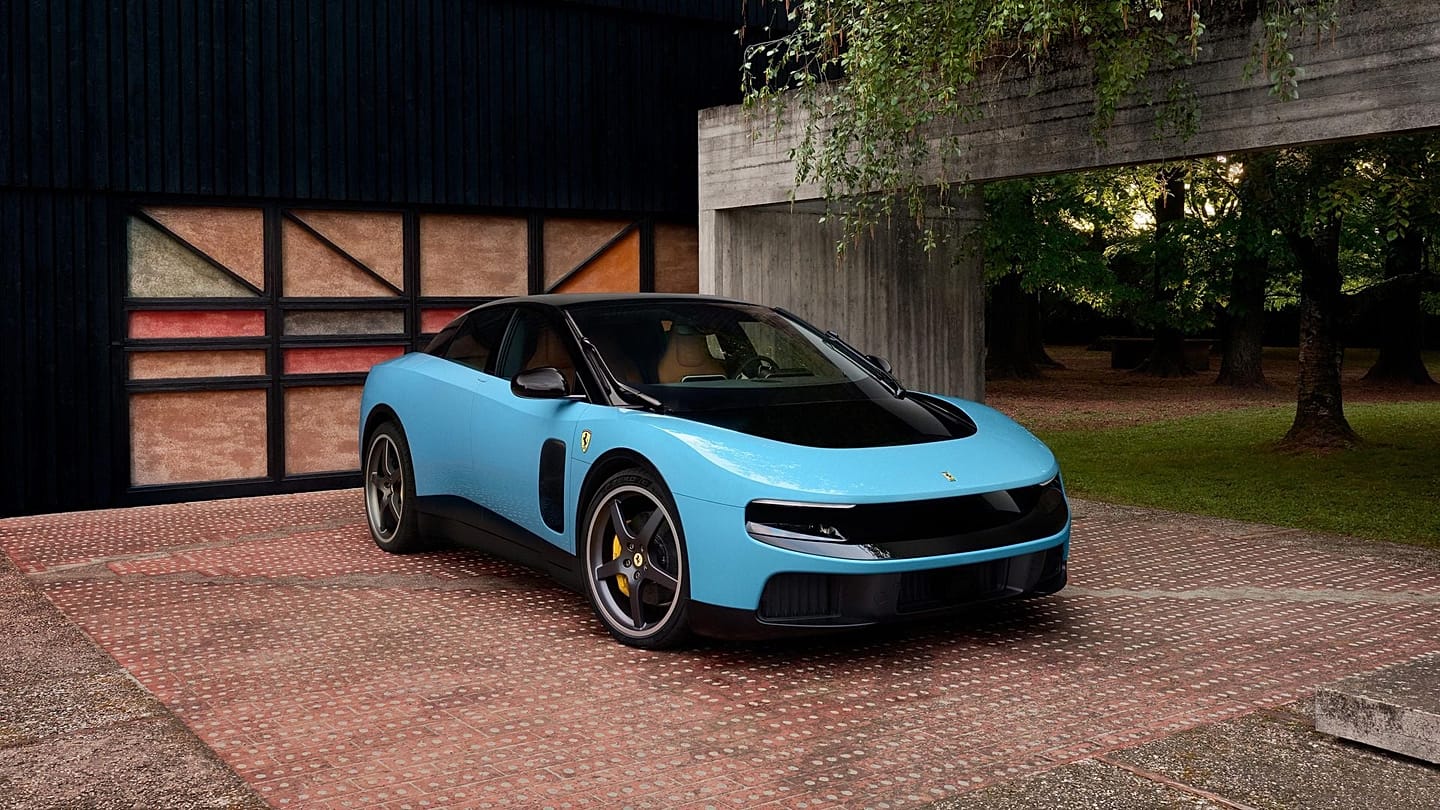
The outgoing executive, whose name has not been officially disclosed by the company, oversaw Ferrari's global marketing strategy through a period of record sales and expanding brand partnerships. His exit comes after the launch of the Ferrari EV, which was met with mixed reviews from automotive journalists and enthusiasts, particularly regarding the vehicle's design language and the brand's decision to include artificial engine sound simulations.
Stepping into the role is a former executive from BMW, the Munich-based premium carmaker that has already invested heavily in its own electric lineup under the i sub-brand. The appointment is widely seen as an effort to bring more structured brand management to Ferrari's marketing operations, which have historically relied on exclusivity and scarcity rather than mass-market campaigns.
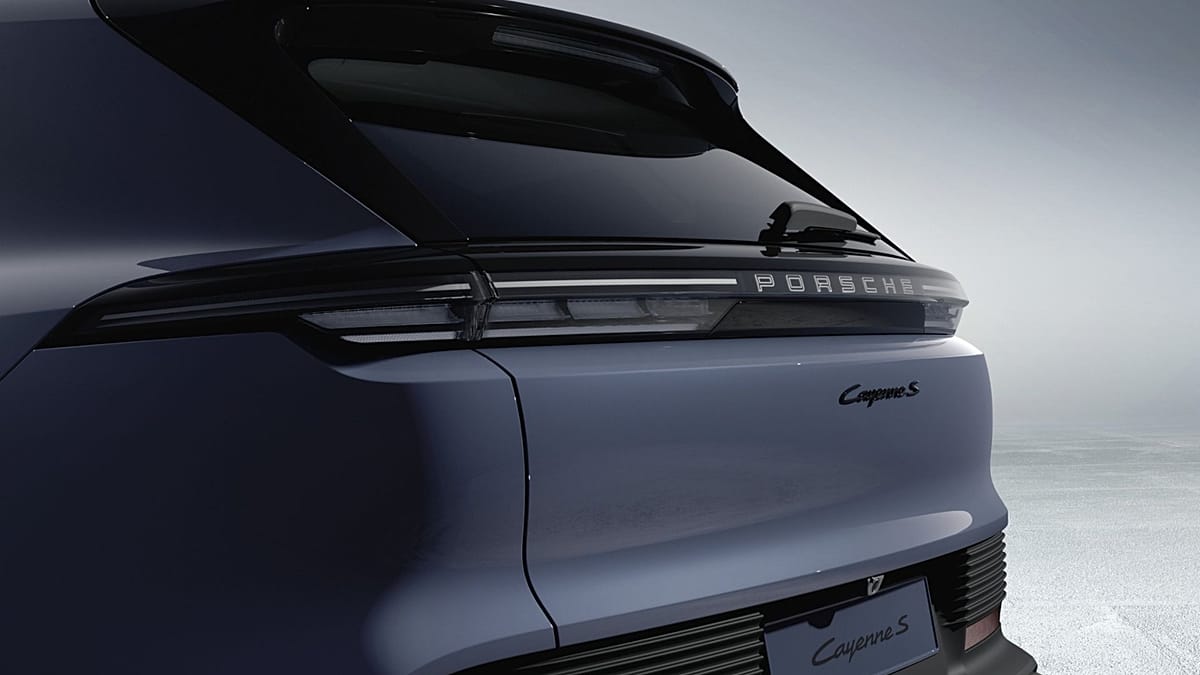
The move also reflects broader challenges facing European luxury automakers as they pivot to electrification. Ferrari, based in Maranello, Emilia-Romagna, has long built its identity around the roar of its V12 and V8 engines. Translating that emotional appeal into the silent, torque-heavy world of electric powertrains is a delicate task that has tripped up even established players like Porsche and Aston Martin.
Ferrari's first EV, codenamed Project F250, was originally scheduled for a 2025 launch but was pushed forward amid pressure from investors and EU emissions regulations. The car's debut event in Rome last month was overshadowed by technical glitches during a live demonstration and criticism from brand purists on social media.
The marketing chief's resignation is the latest in a series of high-profile departures at Ferrari since the death of longtime CEO Sergio Marchionne in 2018. Current CEO Benedetto Vigna, a former STMicroelectronics executive appointed in 2021, has been pushing for a more tech-forward image, but the transition has not been seamless.
Industry analysts note that Ferrari's situation is not unique. Across Europe, traditional automakers are struggling to reconcile heritage with innovation. The inaugural European Marketing Award at Cannes, which pits Ferrari's CMO against those of LEGO and Revolut, underscores how brand stewardship in the EV era has become a high-stakes competition.
Brand Identity Under Pressure
Ferrari's marketing challenge is compounded by its unique position as both a luxury goods company and a car manufacturer. Unlike mass-market brands, Ferrari limits production to around 10,000 cars per year to maintain exclusivity. Its marketing has traditionally focused on racing heritage, craftsmanship, and the visceral experience of driving.
The new BMW veteran will need to balance these core values with the demands of an electric future. BMW's own transition has been bumpy — its i3 and i8 models were critical successes but commercial disappointments — yet the company has since refined its approach with the i4 and iX, which retain a more conventional BMW feel.
Ferrari's shareholders are watching closely. The company's stock, listed on the New York Stock Exchange, has underperformed the broader luxury sector in recent months, partly due to uncertainty about the EV strategy. The appointment of a marketing chief with experience in both traditional and electric vehicles is seen as a stabilizing signal.
Meanwhile, the broader European automotive landscape is shifting. The EU Commission's approval of Hungary's revised €10bn recovery plan includes significant investments in EV battery production, highlighting the continent's push to secure supply chains. For Ferrari, the challenge is not just about batteries but about preserving the soul of a brand that has defined Italian luxury for generations.
As the new marketing chief settles into the role, the industry will be watching to see whether Ferrari can electrify its lineup without electrifying its customers' discontent. The next major test will be the official launch of the production version of the EV, expected later this year.