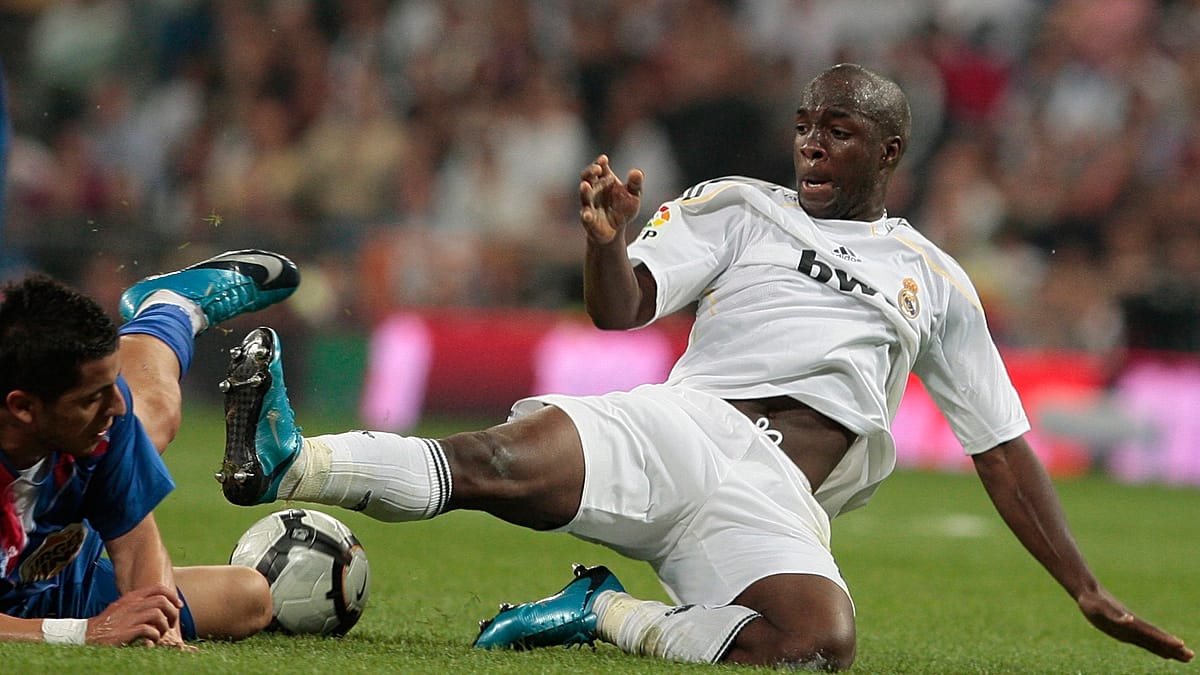
FIFA and the Belgian Football Association have reached a settlement with former France international Lassana Diarra, ending a protracted legal battle that challenged the foundations of football's transfer system. The agreement, confirmed by sources close to the matter on Monday, closes proceedings tied to Diarra's €65 million damages claim without any admission of liability or compensation payment from football's governing body.
FIFA told AFP that “following the comprehensive agreement they reached, Mr. Lassana Diarra and FIFA have settled all legal proceedings between them,” adding that the organisation “does not acknowledge any wrongdoing and has not made any compensation payments.” Diarra's legal team has not publicly commented on the terms.
A Case That Reshaped European Football's Transfer Rules
The dispute traces back to Diarra's departure from Russian side Lokomotiv Moscow in 2014, following a disagreement over his salary. The club deemed the termination unjustified and pursued compensation, initially seeking €20 million before the amount was reduced to €10.5 million by a FIFA dispute resolution chamber.
The case had far-reaching consequences beyond Diarra's personal claim. Belgian club Charleroi ultimately declined to sign the midfielder, fearing it could be held jointly liable under FIFA's regulations—a risk that the Court of Justice of the European Union (CJEU) later deemed disproportionate.
In October 2024, the CJEU ruled that FIFA's rules imposed “considerable legal risks” and “potentially very high financial risks” on players and clubs, thereby restricting the free movement of professional footballers within the European Union. The court concluded that the measures exceeded what was necessary and risked distorting competition across Europe's football market.
While earlier negotiations between Diarra and FIFA failed to produce an agreement, the settlement now brings the case to a close. Following the CJEU ruling, FIFA has already revised its transfer framework, introducing interim rules covering compensation and the burden of proof in contractual disputes.
The Diarra ruling has also prompted broader challenges to the transfer system. A Europe-wide class action supported by player unions is ongoing, seeking compensation for players who say they suffered financial losses under the previous rules. This legal landscape continues to evolve, with implications for clubs and players across the continent.
In a separate but related development, the European Court of Justice is also hearing a case brought by Poland against the EU-Mercosur trade deal, highlighting the complex interplay between EU law and international agreements. Meanwhile, other legal battles in Europe, such as the Le Havre counterfeit trainers case, demonstrate the varied nature of legal disputes across the continent.
As football's governing body adapts to the CJEU's ruling, the settlement with Diarra marks a significant moment in the ongoing re-evaluation of player mobility and contractual fairness within European sport.