French authorities have arrested at least five people in connection with the brazen theft of four paintings by Pierre-Auguste Renoir from the museum dedicated to the artist in Cagnes-sur-Mer, a town on the Mediterranean coast between Cannes and Nice. The arrests follow a major manhunt that began after the early-morning heist on 8 September.
According to the regional daily Nice-Matin, which first reported the arrests, the suspects are believed to include the two individuals who allegedly broke into the museum. The newspaper said the group may be linked to an organised criminal network, though police have not yet confirmed those details.
The theft unfolded at dawn, when the intruders cut through a fence surrounding the museum's gardens and smashed a ground-floor window to gain entry. Bryan Masson, the mayor of Cagnes-sur-Mer, told local broadcaster Ici Azur that the thieves were "well-equipped" and "well-informed," and that they used an electric saw to detach the canvases from their frames. The pair were spotted on the town's video surveillance cameras, Masson added.
Initial estimates valued the stolen works at up to €9 million. Two of the paintings — Portrait of Madame Colonna Romano (1910) and Young Woman at the Well (1886) — remain missing. The other two were found abandoned in the museum garden as the thieves fled, apparently after police were alerted by the alarm. The recovery was confirmed in a statement obtained by the Associated Press.
A painter's final home
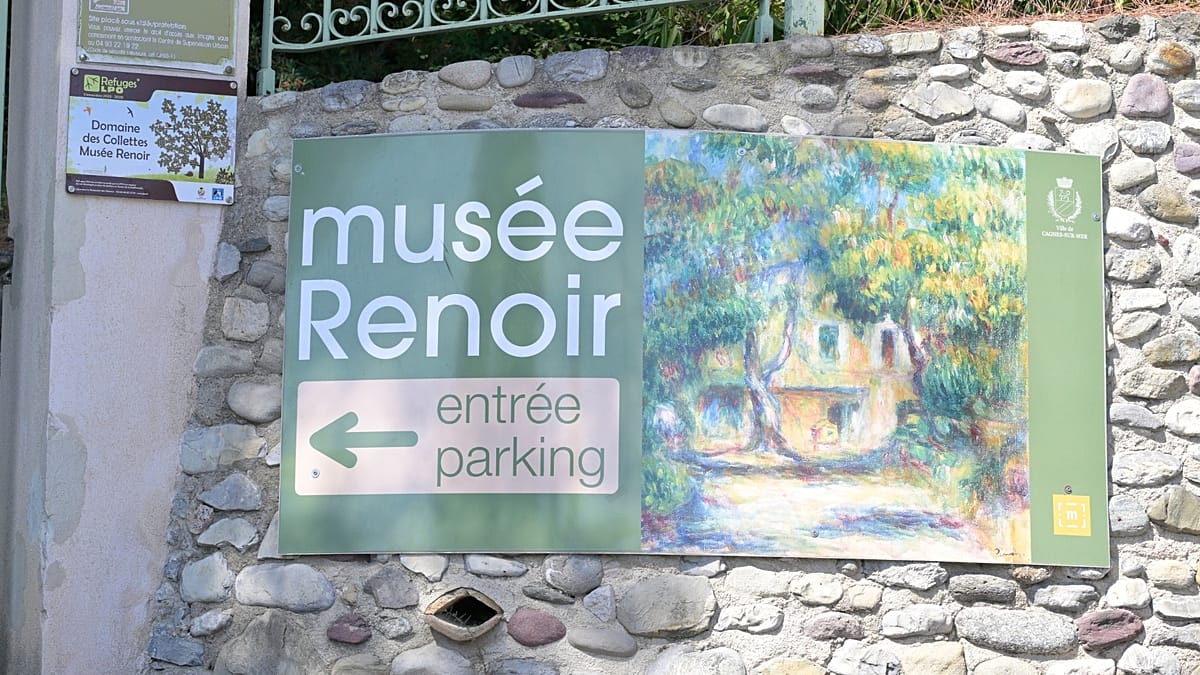
The Renoir Museum occupies the artist's last residence, where he lived from 1907 until his death in 1919. The house, known as Les Collettes, sits on a hillside of olive and orange groves, and the museum has been open to the public since 1960. It is the town's most famous attraction, drawing art lovers from across France and beyond.
The theft has shaken the local community and raised questions about security at smaller museums, which often lack the sophisticated protection of major institutions. The case also echoes a broader pattern of art crime in Europe, where high-value works are sometimes targeted by organised gangs that use them as collateral in illicit deals.
French police have not released the names of the arrested individuals, and it is unclear when they will appear before a judge. The investigation is ongoing, with authorities focusing on tracing the two missing paintings and identifying any other members of the network.
The arrests come as France grapples with a series of security challenges, from student protests over school conditions to farmers' demonstrations against trade deals. Yet the Renoir case is a reminder that cultural heritage remains a vulnerable target, and that the country's art treasures require constant vigilance.
For now, the museum has reopened, though visitors may notice heightened security. The missing paintings, if not recovered, could surface on the black market or in private collections, where they would be difficult to sell openly given their fame. Art recovery experts say such works are often used as bargaining chips in criminal negotiations, and that arrests like these are crucial first steps.
The case has also drawn attention to the broader issue of art theft across Europe, where institutions from Paris to Berlin have faced similar threats. While the Renoir Museum's losses are significant, the swift arrests offer some hope that the paintings may yet be returned to their rightful place.