An 18-month-old child died on Tuesday 23 June after being found unconscious with heatstroke in a car in Marseille, marking the fourth child death in France this week as an intense heatwave continues to scorch the country. The toddler was discovered on the car park of the La Timone medical campus, where a parent is believed to have left the child while going to work.
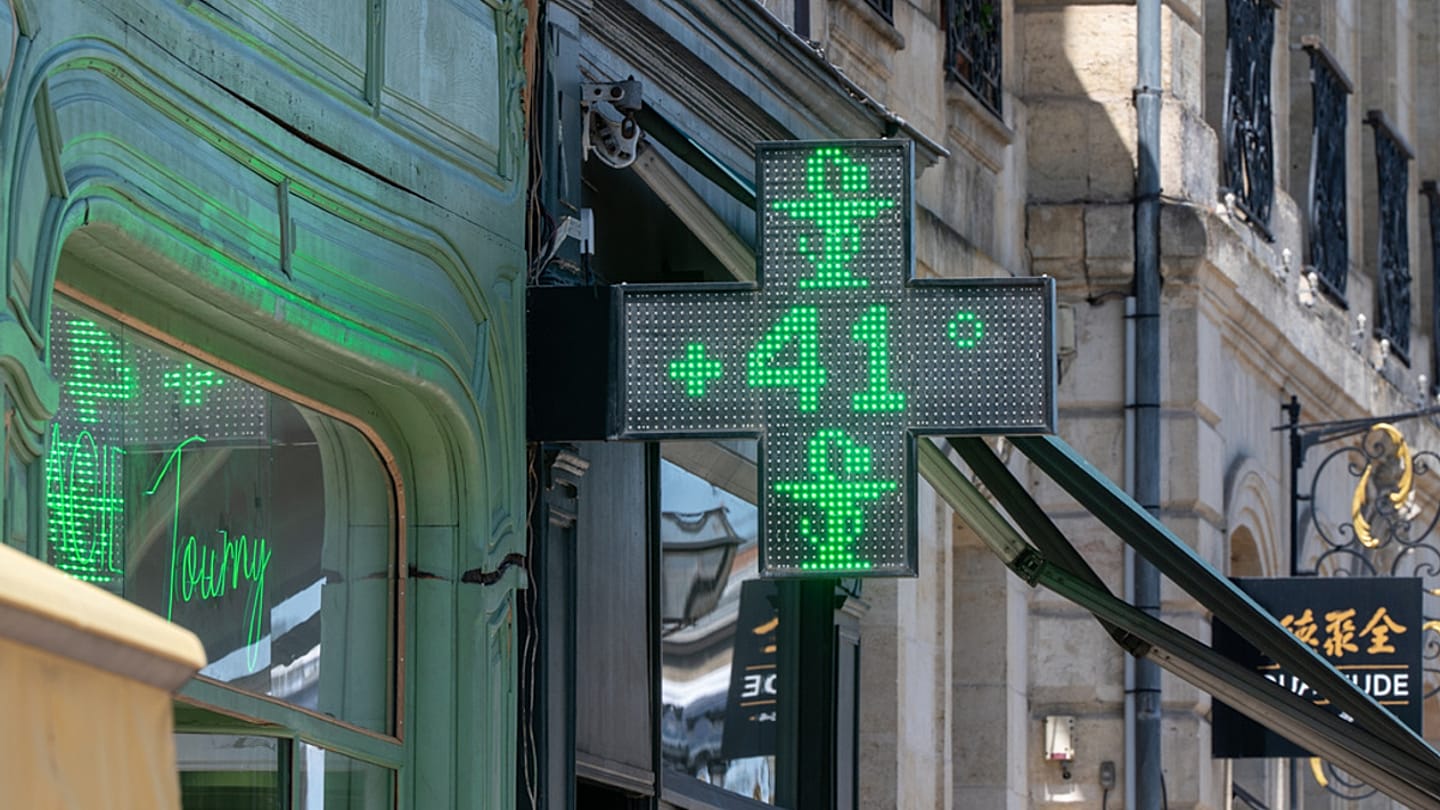
The incident occurred as temperatures in the southern city soared above 40°C, part of a broader heatwave that has swept across much of Europe. French authorities have repeatedly warned against leaving children or pets in vehicles, where internal temperatures can rise to lethal levels within minutes.
A Week of Tragedy
This death follows three other child fatalities earlier in the week, all linked to heat-related causes. The series of tragedies has prompted renewed calls for public awareness campaigns and stricter enforcement of safety measures during extreme weather events. Local officials in Marseille have expressed deep concern, with the city's mayor urging residents to check on vulnerable neighbours and avoid unnecessary exposure to the sun.
The heatwave, which scientists have described as 'virtually impossible' without climate change, has placed immense strain on healthcare systems across the continent. In France, hospitals have reported a surge in heatstroke cases, particularly among the elderly and young children. Marseille outreach teams have been battling to protect the homeless from the record temperatures, distributing water and setting up cooling centres.
Meanwhile, veterinarians in Paris have reported a surge in pet heatstroke cases, highlighting the widespread impact of the extreme weather. The French government has activated emergency protocols, including the opening of public cooling shelters and the extension of pool hours in affected regions.
The tragedy in Marseille underscores the broader European challenge posed by intensifying heatwaves. Spain has recorded 327 heat-related deaths in under a week, while Eastern Europe's hospitals are overwhelmed as the heatwave shifts continent-wide. The European Union has faced criticism for its slow response to the crisis, with some member states calling for a coordinated strategy to address the health and infrastructure impacts of extreme heat.
In France, the government has invested in long-term solutions, such as EDF's €80 million programme to cool schools, but critics argue that more immediate action is needed to prevent further loss of life. The deaths of four children in a single week have intensified the debate, with child safety advocates demanding mandatory public service announcements and stricter penalties for leaving children unattended in vehicles.
As the heatwave shows no signs of abating, authorities across Europe are bracing for more casualties. The World Meteorological Organization has warned that such events will become more frequent and severe without significant reductions in greenhouse gas emissions. For now, the focus remains on saving lives, with emergency services working around the clock to respond to heat-related emergencies.