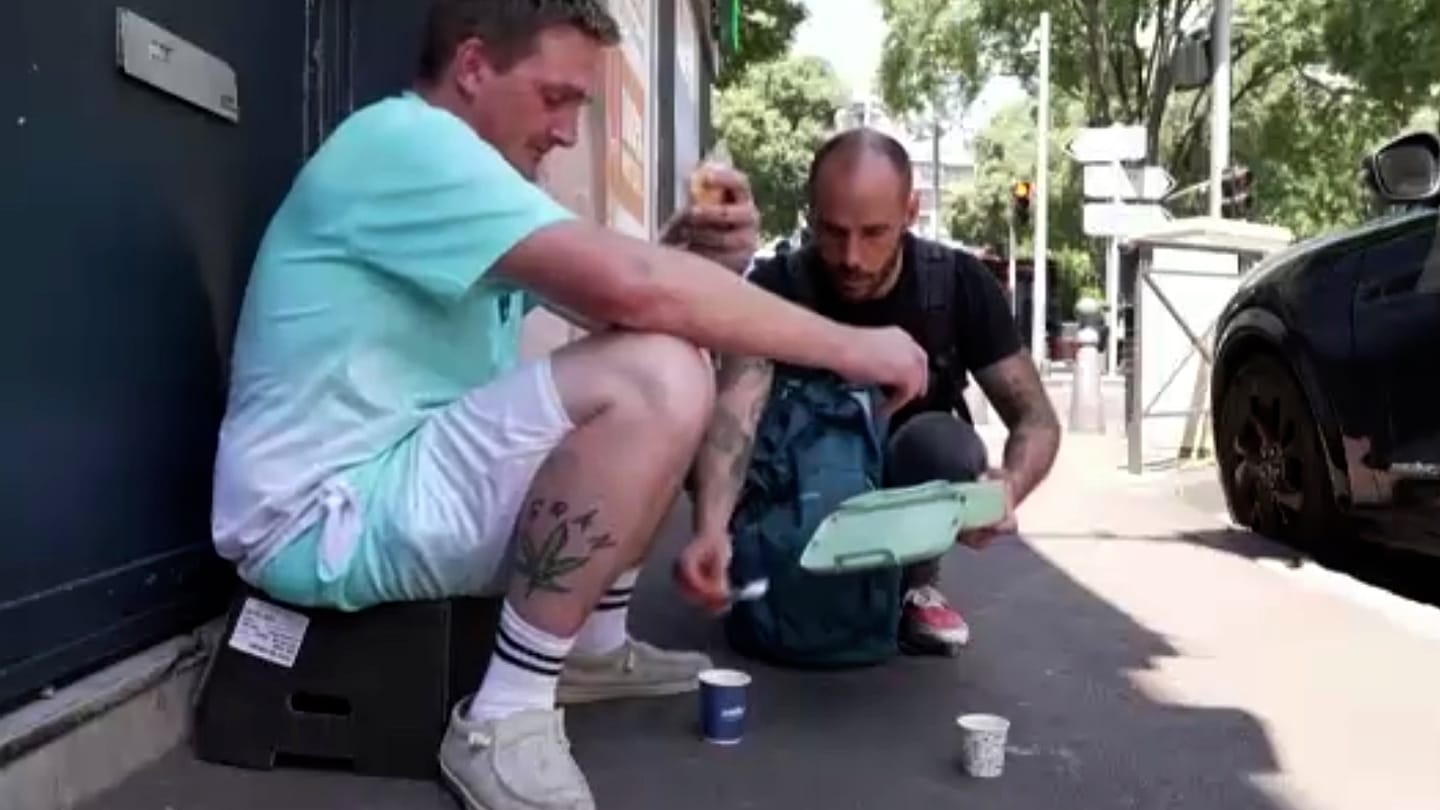
As France swelters under a record-breaking heatwave, with 61 departments still on red alert, the country's most vulnerable residents—those sleeping rough—are bearing the brunt of the extreme temperatures. In Marseille, the Mediterranean port city accustomed to summer heat, outreach teams have intensified their efforts to provide water, medical aid, and shelter to homeless individuals who have little respite from the scorching sun.
The situation in Marseille mirrors a broader European crisis. Across the continent, heatwaves have become more frequent and intense, with scientists linking them to climate change. A recent study found that Europe's current heatwave is 'virtually impossible' without climate change, underscoring the urgency of adaptation measures.
On the Front Lines in Marseille
In the working-class neighborhoods of Marseille's 3rd arrondissement, where narrow streets trap heat and shade is scarce, teams from organizations like Médecins du Monde and local charities are making daily rounds. They carry backpacks filled with bottled water, electrolyte sachets, and sun hats, stopping at known encampments under bridges and in vacant lots. 'We see people with heat exhaustion, dehydration, and sometimes heatstroke,' says Dr. Amélie Lefèvre, a volunteer physician. 'Without these interventions, the death toll would be higher.'
The city has opened several air-conditioned public buildings as cooling centers, but many homeless individuals are reluctant to leave their belongings or are unaware of the services. Outreach workers must build trust, often visiting the same spots repeatedly. 'It's not just about water,' explains Karim Benali, a social worker with the NGO Samu Social. 'It's about reminding people they are not forgotten.'
Marseille's challenges are compounded by its geography. The city's hills and coastal location create microclimates, but inland areas can become unbearably hot. Nighttime temperatures in some districts have not dipped below 28°C, offering no relief. This is particularly dangerous for those with pre-existing health conditions, such as heart disease or diabetes, which are common among the homeless population.
A Continent-Wide Crisis
France is not alone in facing this crisis. Spain recently recorded 327 heat-related deaths in under a week, and hospitals in Eastern Europe have been overwhelmed as the heatwave shifts eastward. The strain on healthcare systems is palpable, with emergency rooms seeing a surge in cases of heatstroke, dehydration, and cardiovascular complications. In Paris, a veterinarian reported a surge in pet heatstroke cases, a sign of how pervasive the heat has become.
The economic impact is also significant. France's nuclear power operator, EDF, has cut output at several plants because river temperatures have risen too high for cooling, threatening energy supplies. Meanwhile, the government has invested €80 million to cool schools, but critics argue that more needs to be done for the homeless. 'We have a moral obligation to protect everyone,' says Marseille's deputy mayor for social affairs, Marie-Claire Dupont. 'But resources are stretched thin.'
The heatwave has also highlighted inequalities. While affluent Parisians can flee to parks or air-conditioned apartments, the homeless have no such options. In a tragic incident in southern France, a toddler died after being left in an unlocked car, underscoring the dangers for all age groups. For those without shelter, the risk is constant.
As the heatwave persists, Marseille's outreach teams continue their work, often in the face of exhaustion and limited funding. They are a lifeline for hundreds of people, but the broader challenge remains: how to build a Europe that can withstand the heatwaves of the future. 'We need long-term solutions,' says Benali. 'Cooling centers are a band-aid. We need affordable housing, green spaces, and a health system that can cope.'
For now, the focus is on survival. In the streets of Marseille, every bottle of water, every shaded bench, and every kind word matters. The heatwave will pass, but its lessons should not be forgotten.