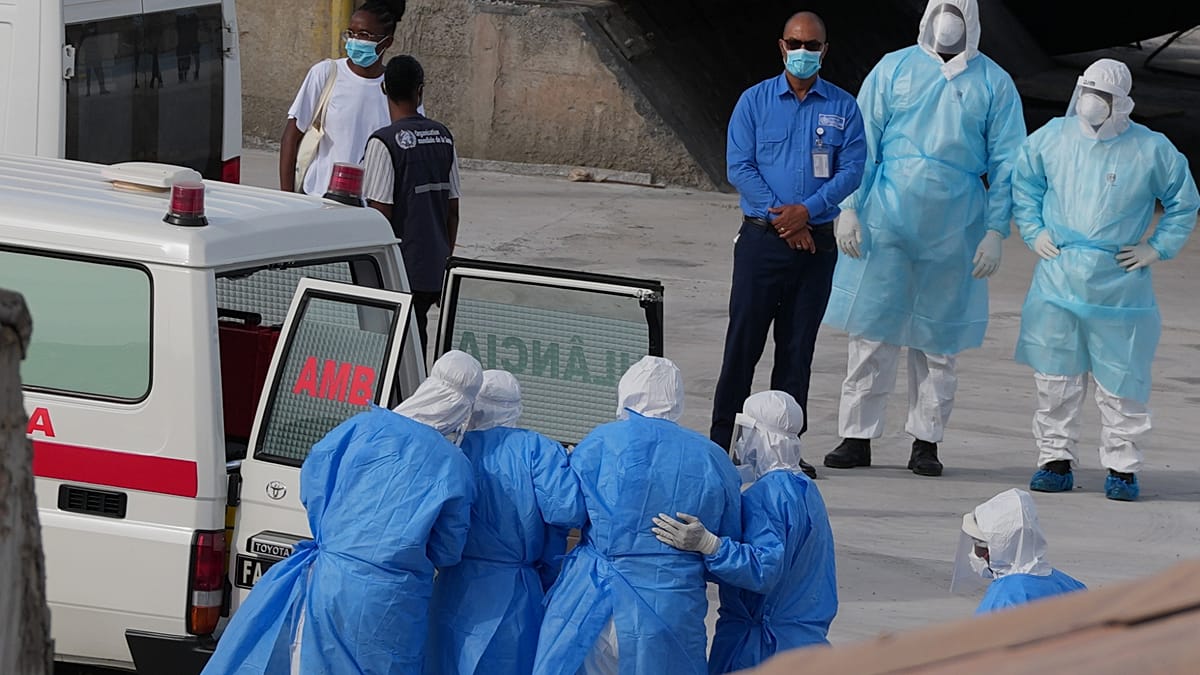
Spain has recorded 327 deaths linked to extreme heat since Sunday, as a record-breaking heatwave continues to grip large parts of Europe. The figure, reported by the Carlos III Health Institute in Madrid, marks one of the deadliest short-term tolls from heat in recent years.
Unprecedented Heat Across the Continent
Temperatures in several Spanish cities, including Seville and Córdoba, have exceeded 45°C, breaking local records. The heatwave, which began last week, shows no signs of abating. Meteorologists predict that the extreme conditions could last for another two weeks across much of the continent, from the Iberian Peninsula to Central Europe.
The situation in Spain is particularly acute. The country's health ministry has activated emergency protocols, urging vulnerable populations—especially the elderly and those with pre-existing conditions—to stay indoors during peak heat hours. Hospitals in Andalusia and Catalonia have reported a surge in admissions for heatstroke and dehydration.
This crisis comes as Eastern Europe's hospitals are also overwhelmed, as the heatwave shifts eastward. In Romania and Bulgaria, emergency services have been stretched thin, with similar reports of heat-related fatalities.
Climate Change and the New Normal
Scientists have been quick to link this event to broader climatic shifts. A recent attribution study found that Europe's heatwave is 'virtually impossible' without climate change. The study, conducted by researchers at the World Weather Attribution network, concluded that human-induced global warming made the extreme temperatures at least 100 times more likely.
"What we are seeing in Spain and across Europe is a clear signal of a warming planet," said Dr. Elena García, a climatologist at the University of Barcelona. "These heatwaves are no longer rare events; they are becoming a recurring feature of our summers."
The heatwave has also had cascading effects on infrastructure. In France, nuclear output has been cut as record temperatures strain river ecosystems used for cooling. Meanwhile, EDF has pledged €80 million to cool schools and nurseries, a recognition that the country's building stock is ill-equipped for such extremes.
Public Health and Adaptation
The death toll in Spain underscores the urgent need for adaptation measures. While many European countries have heatwave early warning systems, their effectiveness depends on public compliance and infrastructure resilience. In Spain, local authorities have opened cooling centers and distributed water in public squares, but the sheer intensity of the heat has overwhelmed some of these efforts.
"We are facing a public health emergency," said Dr. Javier López, a public health expert at the University of Valencia. "The deaths we are seeing are largely preventable, but only if we take heatwaves as seriously as we take other natural disasters."
The European Union has been developing a continent-wide heat resilience strategy, but implementation remains uneven. Southern member states like Spain, Italy, and Greece are on the front lines, but even northern countries like Germany and the Netherlands have experienced record temperatures in recent years.
As the heatwave continues, the focus remains on saving lives. But the longer-term challenge—adapting Europe's cities, homes, and healthcare systems to a hotter climate—is becoming impossible to ignore.